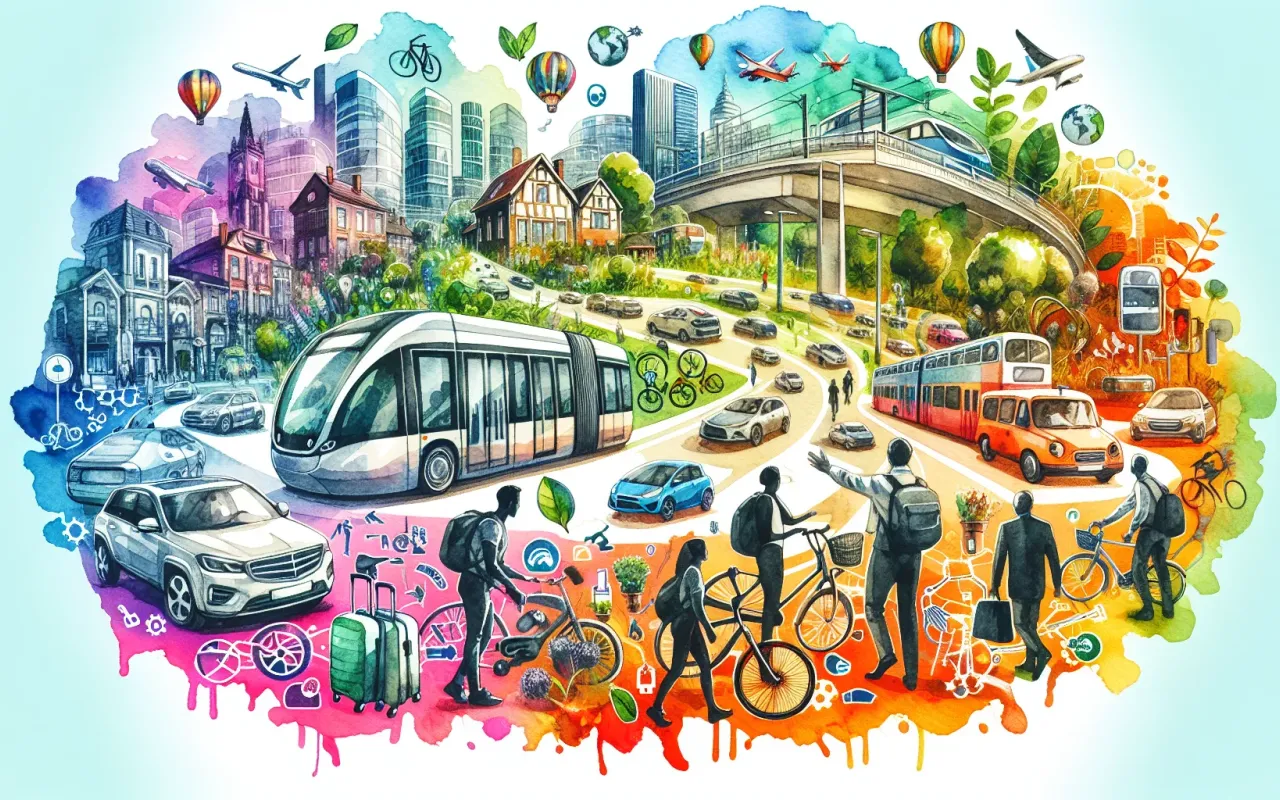
Discover effective strategies for reducing your carbon footprint in travel through sustainable transportation. Learn about eco-friendly travel methods and solutions to minimize environmental impact.
- August 18, 2024
In today’s world, the necessity to reduce our carbon footprint has never been more pressing. With the transportation sector being a significant contributor to greenhouse gas emissions, finding sustainable ways to travel is crucial. This article unpacks the top strategies for carbon footprint reduction in travel through sustainable transportation, offering practical solutions for eco-friendly travel.
Understanding Carbon Footprint in Travel
Your carbon footprint is the total amount of greenhouse gases generated by your activities, including those related to travel. Key factors contributing to your travel carbon footprint include the type of transportation used, the distance traveled, and the efficiency of the vehicles. Carbon footprint reduction in travel is not just a buzzword; it's a pivotal step towards achieving global sustainability goals.
Adopt Public Transportation
Benefits of Public Transportation
Public transportation reduces the number of vehicles on the road, thereby decreasing overall emissions. Buses, trains, and trams can carry multiple passengers simultaneously, making them more efficient per capita compared to individual cars. Additionally, many public transit systems are increasingly powered by renewable energy sources, further minimizing their carbon footprint.
Maximizing the Efficiency of Public Transport
To make the most of public transportation:
- Plan journeys to utilize the most direct routes.
- Combine errands and activities into a single trip.
- Opt for services with higher frequencies to minimize waiting times.
Embrace Active Transportation
Walking and Cycling
Active transportation methods such as walking and cycling produce zero emissions while promoting better health. They are ideal for short to moderate distances and urban environments. Cities worldwide are expanding cycle networks and footpaths, making these options more viable and safer for daily commutes.
Bike Sharing Programs
Many cities offer bike-sharing programs, providing convenient access to bicycles without the need for ownership. These schemes are strategically placed near public transport hubs, allowing for seamless multi-modal travel. Utilizing bike-sharing programs can dramatically reduce your carbon footprint while also easing traffic congestion.
Opt for Eco-Friendly Vehicles
Electric and Hybrid Vehicles
Electric vehicles (EVs) and hybrid vehicles are significantly less polluting than traditional internal combustion engine cars. EVs produce zero tailpipe emissions, especially when charged using renewable energy sources. Investing in an electric or hybrid vehicle can lead to substantial carbon savings over time.
Carpooling and Ride-Sharing
Carpooling reduces the number of vehicles on the road by sharing rides with others. Many apps facilitate ride-sharing, making it easier to arrange carpools. This method not only saves on fuel costs but also reduces traffic and emissions.
Leverage Technological Innovations
Smart Travel Apps
Technological advancements have led to the development of smart travel apps that help plan the most eco-friendly routes. These apps can suggest alternative routes, connections, and modes of transportation that minimize carbon emissions. Some of the popular apps include Citymapper, Google Maps, and Rome2Rio.
Virtual Meetings
With the rise of digital communication platforms, virtual meetings are a viable alternative to traveling for business. Utilizing video conferencing tools such as Zoom, Microsoft Teams, and Google Meet not only cuts down emissions related to business travel but also saves time and resources.
Sustainable Travel Practices
Pack Light
Minimizing the weight of luggage can reduce the fuel consumption of vehicles, especially for air travel. Light packing is an easy yet effective way to reduce your carbon footprint in travel.
Choose Eco-Friendly Accommodations
Staying in eco-friendly accommodations that practice sustainability can further reduce your travel carbon footprint. Look for hotels and lodges that implement energy conservation measures, waste reduction practices, and source their supplies responsibly.
Conclusion
Reducing your carbon footprint in travel requires a multifaceted approach, leveraging public transportation, active travel, eco-friendly vehicles, technological innovations, and sustainable practices. By incorporating these strategies into your travel routine, you can make a significant impact on reducing greenhouse gas emissions and contribute to a more sustainable future.