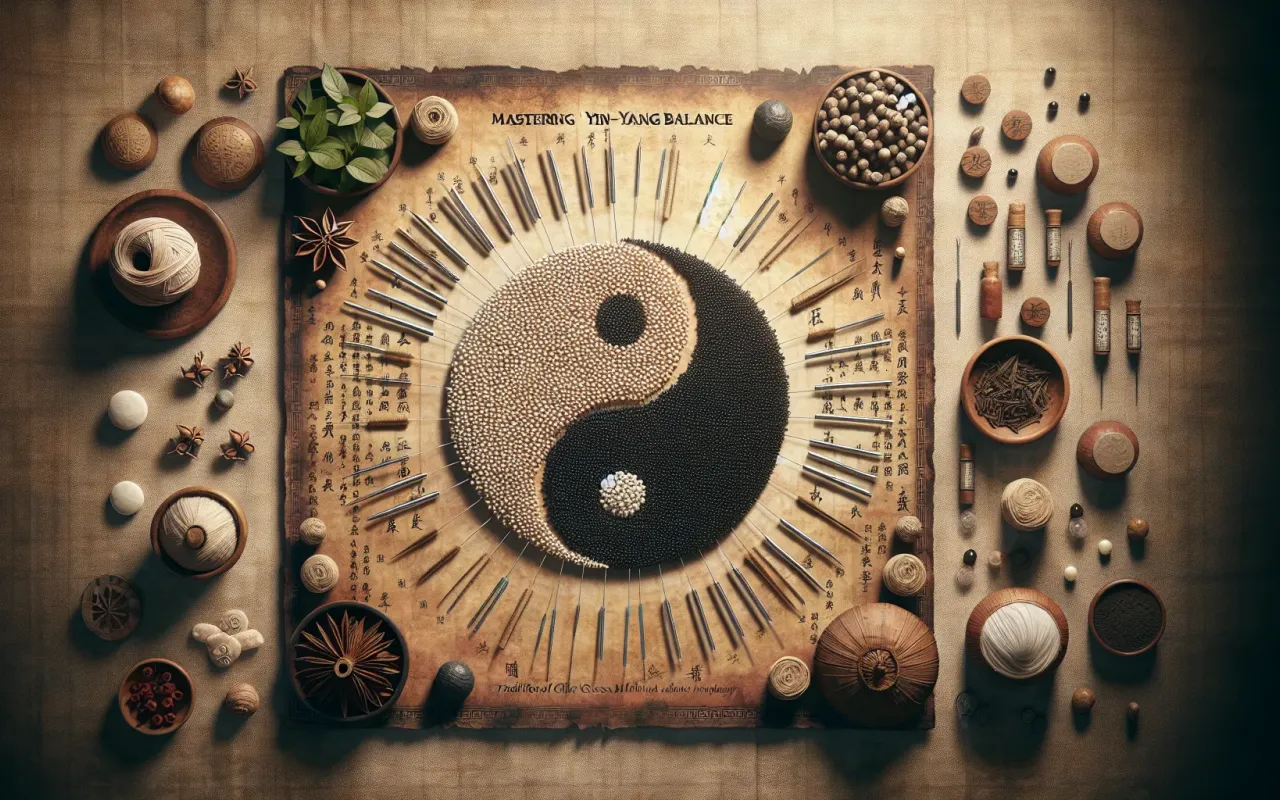
Explore how Traditional Chinese Medicine achieves perfect harmony through the ancient principle of Yin-Yang balance. Discover techniques and practices for optimal health.
- August 17, 2024
AceShowbiz - Traditional Chinese Medicine (TCM) is a repository of ancient wisdom that has been practiced for thousands of years. Central to TCM is the concept of Yin-Yang balance, an essential principle that depicts the duality of nature. Understanding and maintaining this balance is fundamental to achieving optimal health and well-being.
Understanding Yin-Yang: The Foundation of Harmony
The Concept of Yin and Yang
Yin and Yang are two interdependent forces that symbolize opposite yet complementary qualities in the natural world. Yin is often associated with qualities such as cold, darkness, and passivity, whereas Yang is linked to warmth, light, and activity. These forces are not strictly binary but exist in a dynamic interplay, influencing each other and maintaining equilibrium.
The Historical Context
The concept of Yin-Yang originated from ancient Chinese philosophy and was later integrated into Traditional Chinese Medicine. The earliest reference to Yin-Yang can be traced back to the I Ching (Book of Changes), a classic text that dates back over 3,000 years. Over time, TCM has incorporated this dualistic approach to understand and treat illnesses.
Yin-Yang Balance in Traditional Chinese Medicine
Importance in Health and Disease
In Traditional Chinese Medicine, the balance of Yin and Yang within the body is crucial for health. When Yin and Yang achieve harmony, the body's vital energy, or Qi, flows smoothly, contributing to holistic well-being. Conversely, an imbalance can lead to various health issues, including chronic conditions, fatigue, and emotional disturbances.
Diagnosing Imbalances
TCM practitioners diagnose Yin-Yang imbalances through a combination of techniques such as pulse diagnosis, tongue examination, and patient history. These methods help identify whether a person has an excess or deficiency of Yin or Yang, informing the subsequent treatment approach.
Practical Techniques for Achieving Yin-Yang Balance
Herbal Medicine
Herbs play a vital role in TCM for restoring Yin-Yang balance. Specific herbs are selected to either tonify Yin or invigorate Yang, depending on the individual's needs. For instance, Rehmannia root is often used to support Yin, whereas Ginseng is prominent in boosting Yang energy.
Acupuncture
Acupuncture involves the insertion of fine needles into specific points on the body known as acupuncture points. This practice aims to regulate the flow of Qi and restore the balance between Yin and Yang. Numerous studies have shown acupuncture's efficacy in treating conditions such as migraines, anxiety, and chronic pain.
Dietary Adjustments
Diet is another crucial factor in maintaining Yin-Yang balance. TCM dietary recommendations emphasize the consumption of whole, unprocessed foods. Foods such as cooling vegetables and fruits can augment Yin, while warming spices and meats can fortify Yang. Personalized nutrition plans are often created based on individual constitutions.
Qi Gong and Tai Chi
Qi Gong and Tai Chi are ancient Chinese exercises that combine physical movement, breathing techniques, and meditation to cultivate Qi and harmonize Yin and Yang. Regular practice of these exercises can enhance physical strength, mental clarity, and emotional stability.
Modern Applications of Yin-Yang Theory
Integrative Medicine
The principles of Yin and Yang are increasingly being integrated into modern medical practices. Many healthcare providers recognize the holistic benefits of maintaining energy balance and incorporate aspects of TCM into conventional treatments.
Psychological Health
Yin-Yang balance is also relevant in addressing mental and emotional health. For example, practicing mindfulness and stress-reduction techniques can help balance Yin (inner peace) and Yang (external activity), leading to improved psychological well-being.
Case Studies and Success Stories
Real-life examples highlight the efficacy of TCM in restoring Yin-Yang balance. One notable case is that of Mr. Li, who suffered from chronic fatigue and digestive issues. Through a combination of herbal medicine, acupuncture, and dietary changes, Mr. Li's symptoms improved significantly, illustrating the potential power of TCM practices.
Conclusion
Traditional Chinese Medicine offers a holistic framework for achieving harmony and balance through the principle of Yin-Yang. By understanding and applying techniques such as herbal medicine, acupuncture, dietary adjustments, and exercises like Qi Gong and Tai Chi, individuals can work towards optimal health and well-being. As modern medicine continues to evolve, the ancient wisdom of TCM remains a valuable resource for achieving lasting harmony.