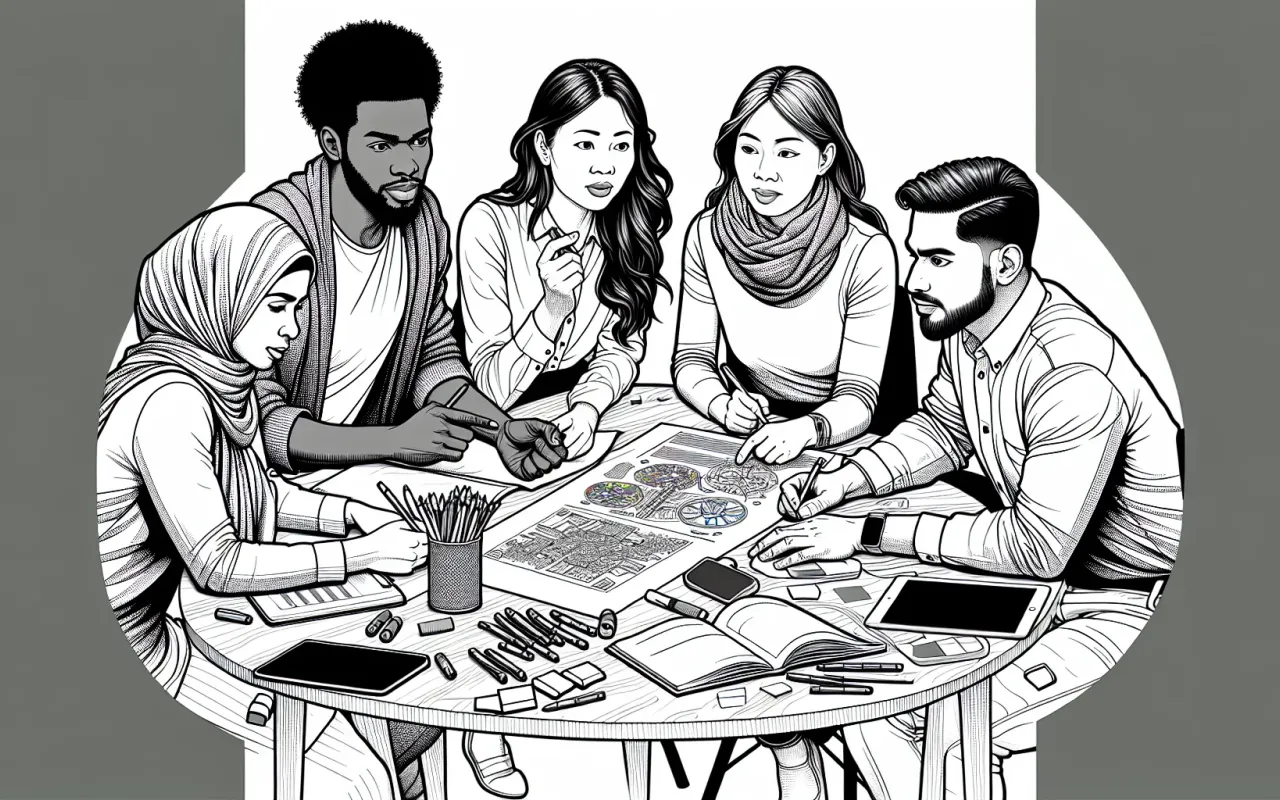
Explore the importance of communication in collaboration for effective problem-solving. Learn how mastering communication skills can lead to successful teamwork and solutions.
- August 16, 2024
Effective communication is the cornerstone of successful collaboration, especially when it comes to problem-solving. When team members communicate clearly and openly, they can tackle complex issues more efficiently and come up with innovative solutions. In this article, we will explore the importance of communication in collaboration for problem solving, and provide strategies to help teams master this crucial skill.
The Role of Communication in Collaboration
Communication is essential in any collaborative effort for several reasons. It ensures that all team members are on the same page, helps to avoid misunderstandings, and fosters a positive team environment. Clear communication is particularly important in problem-solving scenarios, where misinterpretations can lead to flawed solutions or even exacerbate existing problems.
The Benefits of Effective Communication
When teams communicate effectively, they can reap numerous benefits, including:
Improved Understanding
Effective communication ensures that everyone understands the problem at hand, the proposed solutions, and the roles each team member will play. This shared understanding is critical for achieving cohesive and efficient problem-solving.
Enhanced Creativity
Open communication encourages team members to share their ideas and perspectives freely, sparking creativity and allowing for a wider range of solutions to be considered.
Stronger Relationships
Regular and transparent communication fosters trust and strengthens relationships within the team, creating a supportive environment where everyone feels valued and heard.
Strategies for Effective Communication in Problem Solving
To master the importance of communication in collaboration for problem solving, teams can implement several strategies:
Establish Clear Communication Channels
Designate specific channels for different types of communication (e.g., email for formal updates, chat for quick questions). This helps ensure that information is conveyed in an organized and efficient manner.
Practice Active Listening
Encourage team members to practice active listening by fully concentrating on the speaker, understanding their message, and responding thoughtfully. This can help prevent misunderstandings and build a more cohesive team dynamic.
Use Collaborative Tools
Leverage technology to facilitate communication and collaboration. Tools like project management software, video conferencing platforms, and shared documents can help streamline communication and keep everyone on the same page.
Encourage Open Feedback
Foster an environment where team members feel comfortable providing and receiving constructive feedback. This can help identify any communication barriers and improve overall team effectiveness.
Overcoming Communication Barriers
While communication is crucial, teams may encounter several barriers that can hinder effective collaboration. Here are some strategies to overcome these challenges:
Diverse Communication Styles
Team members may have different communication styles, which can lead to misunderstandings. Encourage awareness and adaptation to different styles to foster better communication.
Language and Cultural Differences
In global teams, language and cultural differences can pose significant challenges. Provide language support if necessary and promote cultural sensitivity to bridge these gaps.
Technological Hurdles
Technical issues or unfamiliarity with collaborative tools can disrupt communication. Offer training and technical support to ensure all team members can effectively use the necessary tools.
The Future of Collaboration and Communication
The landscape of work is continually evolving, with remote work and virtual teams becoming more prevalent. As such, the importance of communication in collaboration for problem solving will only increase. Embracing new communication technologies and continuously honing communication skills will be vital for future success.
Conclusion
Effective communication is integral to successful collaboration and problem-solving. By recognizing the importance of communication, leveraging collaborative tools, and overcoming barriers, teams can enhance their problem-solving capabilities and achieve better outcomes. Remember, clear and open communication is not just a skill but a valuable asset that can drive innovation and foster a positive team environment.