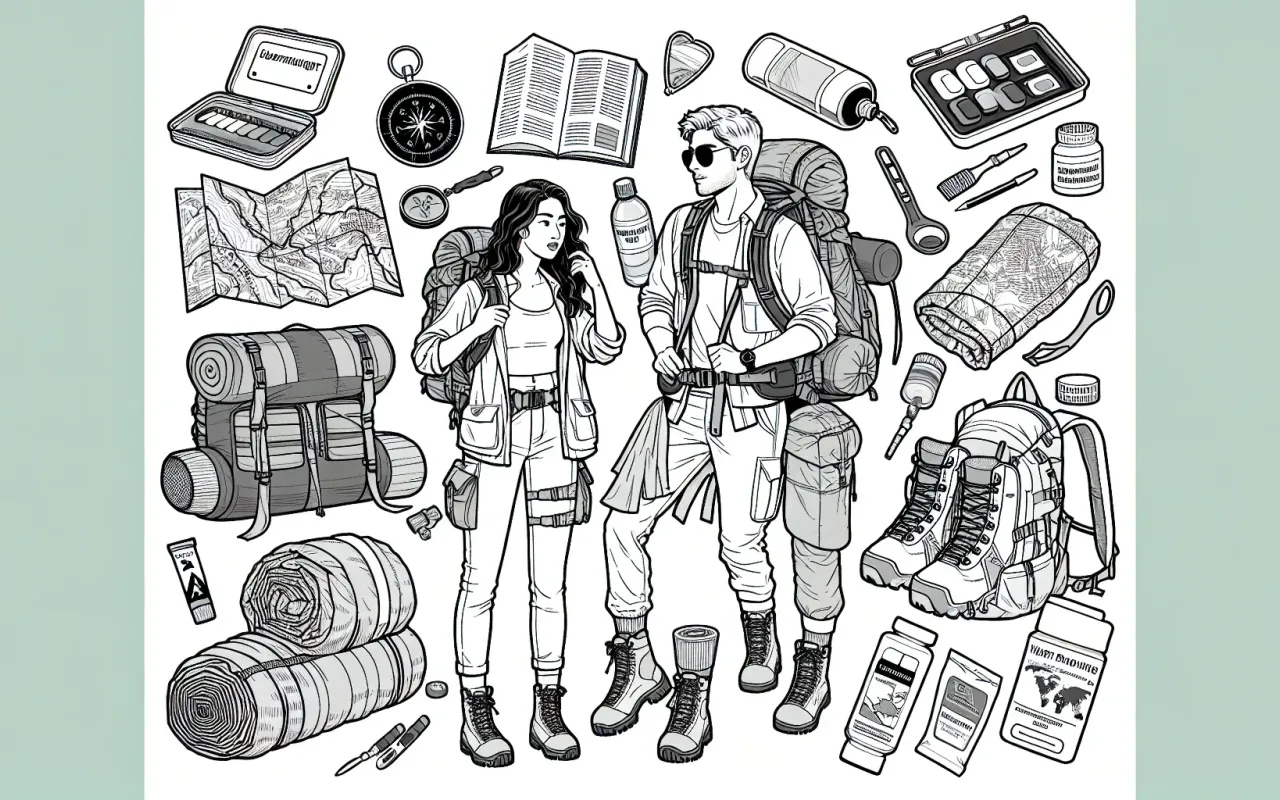
Discover the must-have backpacking gear for beginners in our comprehensive guide. Learn about essential gear, tips, and tricks to ensure a successful adventure.
- August 15, 2024
Embarking on your first backpacking adventure can be both exciting and daunting. Choosing the right gear is critical to ensure you have a safe, enjoyable, and successful trip. In this comprehensive guide, we'll cover the must-have backpacking gear for beginners, with detailed information on each item, including helpful tips for making the best choices.
Choosing the Right Backpack
The cornerstone of any backpacking trip is the backpack itself. It's crucial to select a pack that fits well and meets your needs. Here are some key factors to consider:
Capacity
For beginners, a backpack with a capacity of 50-70 liters is usually sufficient for trips lasting two to five days.
Fit
Look for a backpack with adjustable shoulder straps, a padded hip belt, and a chest strap to ensure a comfortable fit. Proper fit is essential to distribute the weight evenly and reduce strain on your back and shoulders.
Features
Consider a pack with multiple compartments for organizing gear, hydration system compatibility, and weather-resistant materials. Additional features like external pockets and gear loops can be beneficial for easy access to essentials.
Essential Shelter and Sleep System
Staying protected from the elements and getting a good night's sleep are vital for an enjoyable backpacking experience. Here are the key components:
Tent
Choose a lightweight, weather-resistant tent that offers adequate space for you and your gear. Consider a three-season tent for most environments, and a four-season tent for harsher conditions.
Sleeping Bag
Select a sleeping bag rated for the lowest temperature you expect to encounter. Down-filled bags are lightweight and compressible, but synthetic bags offer better performance in wet conditions.
Sleeping Pad
A sleeping pad not only provides comfort but also insulation from the cold ground. Options include foam pads, inflatable pads, and self-inflating pads—each with varying levels of comfort, weight, and packability.
Proper Clothing and Footwear
Wearing the right clothing and footwear is crucial to maintaining comfort and safety during your trip:
Layering System
Dress in layers to adapt to changing weather conditions. A typical layering system includes a moisture-wicking base layer, an insulating mid-layer, and a waterproof and breathable outer layer.
Footwear
Invest in quality hiking boots or shoes that provide support, stability, and protection. Make sure they are well-broken-in before your trip to prevent blisters and discomfort.
Accessories
Don't forget crucial accessories like a hat, gloves, and sunglasses for sun protection, as well as a buff or bandana for versatile use.
Cooking and Hydration Essentials
Proper nutrition and hydration are key to maintaining energy levels and overall well-being during your trip:
Stove and Cookware
A lightweight backpacking stove and compact cookware set are indispensable. Consider a fuel-efficient stove that is easy to use and reliable.
Water Filtration
Carry a reliable water filtration system, such as a pump filter, gravity filter, or purification tablets, to ensure you have access to safe drinking water in the wilderness.
Food
Plan your meals carefully, opting for lightweight, non-perishable items. Consider freeze-dried meals, energy bars, nuts, and dehydrated fruits for easy preparation and minimal weight.
Navigation and Safety Gear
Ensuring you can find your way and stay safe is crucial for any backpacking trip:
Navigation Tools
Carry a topographic map, compass, and/or GPS device to navigate effectively. Familiarize yourself with their use before your trip.
First Aid Kit
A well-stocked first aid kit is essential for treating minor injuries and ailments. Include items like bandages, antiseptic wipes, tweezers, pain relievers, and blister treatment supplies.
Emergency Shelter
In case of unexpected weather or scenarios, carry an emergency shelter like a lightweight bivy sack or space blanket.
Miscellaneous Gear and Tips
There are a few other essential items and tips to consider for a successful backpacking trip:
Headlamp or Flashlight
A hands-free headlamp or flashlight with spare batteries is crucial for navigating and performing tasks in low-light conditions.
Multi-Tool
A versatile multi-tool can be useful for various repair tasks and emergencies.
Backpacking Tips
Here are some additional tips to enhance your backpacking experience:
- Practice packing and adjusting your gear before the trip.
- Leave no trace - follow principles to minimize your environmental impact.
- Check weather forecasts and trail conditions in advance.
- Share your itinerary with someone you trust.
Conclusion
Backpacking is an incredible way to explore the great outdoors, and having the right gear is essential to making your adventure safe and enjoyable. By following this guide and ensuring you have the must-have backpacking gear for beginners, you'll be well-prepared for your journey. Happy trails!