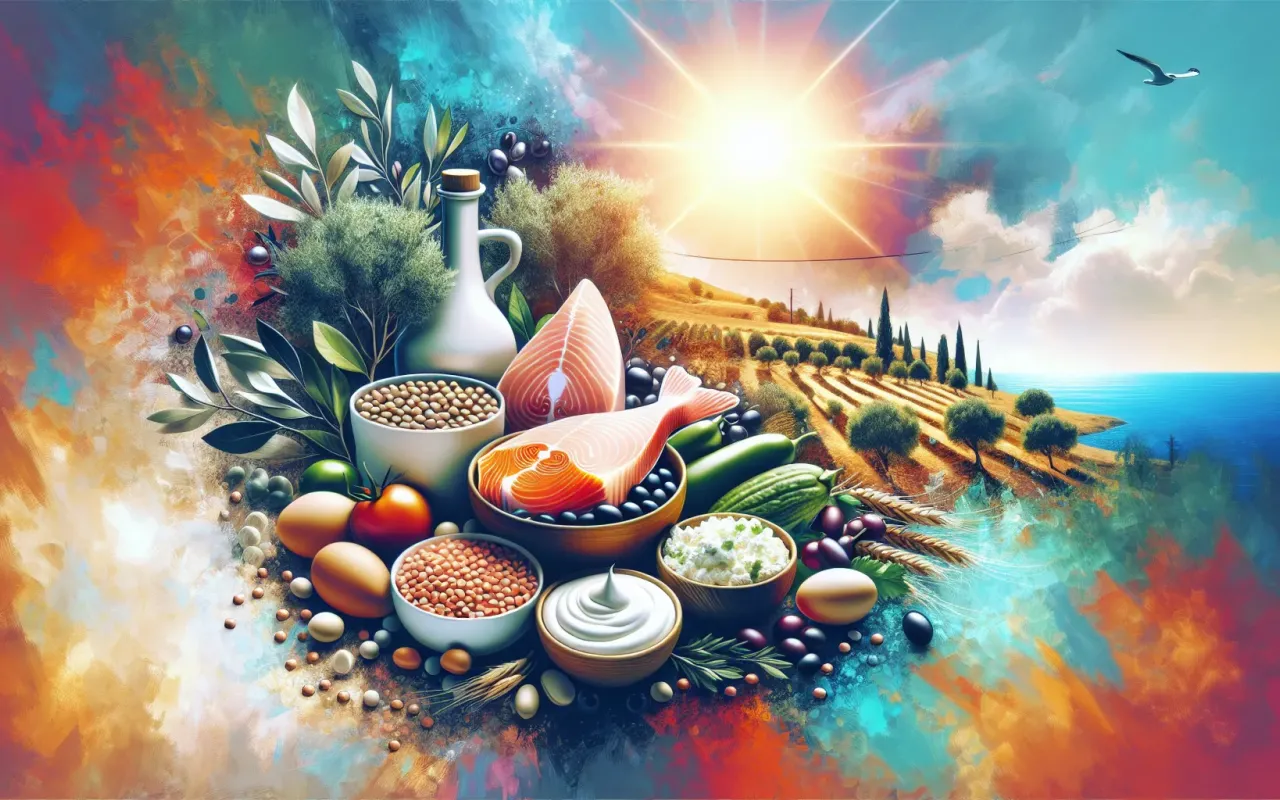
By incorporating a diverse range of protein sources such as legumes, fish, poultry, eggs, dairy, nuts and seeds, you can ensure that your diet is both satisfying and health-promoting.
- August 1, 2024
AceShowbiz - The Mediterranean diet is often lauded for its numerous health benefits, including heart health, weight management and overall wellness. A critical component of this time-honored diet is the inclusion of protein-rich foods. These foods not only satiate hunger but also play a vital role in muscle repair, hormone production and other bodily functions. In this comprehensive guide, we’ll explore the top protein-rich foods in the Mediterranean diet and provide practical tips on how to incorporate them into your daily routine.
Introduction to the Mediterranean Diet
The Mediterranean diet is inspired by the traditional eating habits of people from countries bordering the Mediterranean Sea, such as Greece, Italy and Spain. It emphasizes the consumption of whole foods, including fruits, vegetables, grains, nuts, seeds and healthy fats, primarily from olive oil. Protein sources in this diet come from a variety of plant and animal origins, ensuring a balanced and nutrient-rich intake.
Top Protein-rich Foods in the Mediterranean Diet
1. Legumes
Legumes, including lentils, chickpeas, beans and peas, are cornerstone protein sources in the Mediterranean diet. These plant-based proteins are rich in fiber, iron and essential vitamins, contributing to overall health and wellness.
- Lentils: A single cup of cooked lentils packs around 18 grams of protein.
- Chickpeas: Popular in dishes like hummus, chickpeas offer approximately 15 grams of protein per cup.
- Beans: Varieties such as black beans, kidney beans and white beans provide roughly 15 grams of protein per cup.
- Peas: Green peas contain about 8 grams of protein per cup.
Incorporating legumes into your diet is simple—add them to salads, soups, stews, or even as a meat substitute in various recipes.
2. Fish and Seafood
Fish and seafood are pivotal in the Mediterranean diet. Not only are they excellent protein sources, but they are also high in omega-3 fatty acids, which are beneficial for heart health.
- Salmon: A powerhouse of protein and omega-3s, with around 22 grams of protein per 3-ounce serving.
- Sardines: Packed with nutrients, sardines offer about 21 grams of protein per 3-ounce serving.
- Tuna: Versatile and protein-rich, tuna contains approximately 25 grams of protein per 3-ounce serving.
- Shellfish: Options like shrimp and clams are not only flavorful but also high in protein, with shrimp boasting about 20 grams of protein per 3-ounce serving.
Enjoy seafood dishes such as grilled fish, seafood salads, or a classic Mediterranean-style fish stew.
3. Poultry
Poultry, particularly chicken and turkey, is a lean source of animal protein that fits well within the Mediterranean diet framework.
- Chicken: A 3-ounce portion of chicken breast provides around 26 grams of protein.
- Turkey: A comparable serving of turkey delivers approximately 25 grams of protein.
Grilled, baked, or roasted, poultry can be incorporated into various dishes, such as salads, wraps, or hearty entrees.
4. Eggs
Eggs are a versatile and nutrient-rich protein source. They supply high-quality protein and are packed with vitamins and minerals such as vitamin B12 and choline.
- One large egg contains about 6 grams of protein.
Enjoy eggs in various forms—boiled, scrambled, poached, or used in recipes like frittatas and omelets.
5. Dairy Products
The Mediterranean diet incorporates moderate amounts of dairy, primarily in the form of yogurt and cheese. These foods are excellent sources of protein and calcium.
- Greek Yogurt: Rich and creamy, Greek yogurt boasts around 10 grams of protein per 100 grams.
- Feta Cheese: A staple in many Mediterranean dishes, feta provides about 4 grams of protein per ounce.
Incorporate dairy into your diet by enjoying yogurt with fresh fruit, adding cheese to salads, or using it in various dishes to enrich flavors.
6. Nuts and Seeds
Nuts and seeds are not only snacks but also versatile ingredients in many Mediterranean recipes. They provide plant-based protein, healthy fats and a variety of vitamins and minerals.
- Almonds: Offer about 6 grams of protein per ounce.
- Walnuts: Contain roughly 4 grams of protein per ounce.
- Chia Seeds: Tiny but mighty, chia seeds provide around 5 grams of protein per ounce.
- Flaxseeds: Each tablespoon contains about 2 grams of protein.
Add nuts and seeds to salads, yogurt, or enjoy them as a standalone snack.
Benefits of Protein-rich Foods in the Mediterranean Diet
The inclusion of protein-rich foods in the Mediterranean diet offers numerous health benefits:
- Muscle Maintenance: Adequate protein intake is crucial for muscle repair and growth, especially for those with active lifestyles.
- Satiety and Weight Management: Protein-rich foods increase feelings of fullness, helping to control appetite and support weight management.
- Nutrient Diversity: The variety of protein sources ensures a broad intake of essential nutrients, including amino acids, vitamins and minerals.
- Heart Health: Many protein-rich foods in the Mediterranean diet, such as fish and legumes, promote cardiovascular health.
Practical Tips for Incorporating Protein-rich Foods
Here are some practical tips to help you integrate protein-rich foods into your Mediterranean diet:
- Plan Your Meals: Include a variety of protein sources in your weekly meal plans to ensure balanced nutrition.
- Try New Recipes: Experiment with Mediterranean recipes that feature protein-rich ingredients, such as grilled fish dishes, legume-based soups and yogurt-based desserts.
- Snack Smart: Opt for protein-rich snacks like a handful of nuts, Greek yogurt, or a boiled egg to keep you energized throughout the day.
- Balance Your Plate: Aim to include vegetables, whole grains and healthy fats alongside protein sources to create well-rounded meals.
Conclusion
Protein-rich foods are a vital component of the Mediterranean diet, offering numerous health benefits and contributing to a balanced and nutritious lifestyle. By incorporating a diverse range of protein sources such as legumes, fish, poultry, eggs, dairy, nuts and seeds, you can ensure that your diet is both satisfying and health-promoting. Embrace the Mediterranean way of eating for a sustainable and enjoyable approach to wellness.