Sir Ahmed Salman Rushdie, born June 19, 1947, in Bombay (now Mumbai), stands as one of the most significant and controversial literary figures of the contemporary era. An Indian-born British and American novelist, his work masterfully blends magical realism with historical fiction, exploring the complex connections, disruptions, and migrations between Eastern and Western civilizations. His novels, typically set on the Indian subcontinent and featuring Indian protagonists, have earned him international acclaim and a permanent place in the canon of modern literature. Rushdie's second novel, Midnight's Children (1981), not only won the Booker Prize but was twice deemed "the best novel of all winners," marking both the 25th and 40th anniversaries of the prestigious award, cementing his reputation as a master storyteller.
Rushdie's life took a dramatic and perilous turn following the 1988 publication of his fourth novel, The Satanic Verses. The book, perceived by some as an irreverent depiction of the Prophet Muhammad, ignited a firestorm of controversy. It was banned in 20 countries, and in 1989, Iran's Supreme Leader, Ruhollah Khomeini, issued a fatwa calling for Rushdie's death. This edict thrust him into a decade of hiding, sparking global debates on censorship and religiously motivated violence. Extremists citing the book as motivation carried out numerous killings and bombings, and Rushdie himself survived multiple assassination attempts. His ordeal continued into the 21st century; in 2022, he was brutally stabbed at the Chautauqua Institution in New York, an attack that resulted in the loss of sight in his right eye and lasting damage to his liver and hands. Two men who courageously came to his aid were later awarded the Carnegie Medal for heroism in 2025.
Educated at King's College, Cambridge, where he graduated with a degree in history in 1968, Rushdie's literary genius was recognized early. He was elected a fellow of the Royal Society of Literature in 1983 and appointed a Commandeur de l'Ordre des Arts et des Lettres of France in 1999. In 2007, he was knighted for his services to literature, and a year later, The Times ranked him 13th on its list of the 50 greatest British writers since 1945. In 2012, he published Joseph Anton: A Memoir, a searing account of his life in the wake of the fatwa. His influence has been acknowledged globally, with Time magazine naming him one of the 100 most influential people in the world in April 2023.
Since 2000, Rushdie has made the United States his home, where he has continued to write and teach. He was named Distinguished Writer in Residence at the Arthur L. Carter Journalism Institute of New York University in 2015, following earlier teaching roles at Emory University, and was elected to the American Academy of Arts and Letters. His personal life has been as eventful as his professional one; he has been married five times, including a marriage from 2004 to 2007 to Indian-American television presenter and model Padma Lakshmi. Despite the immense challenges and dangers he has faced, Rushdie remains a towering figure in world literature, celebrated for his fearless exploration of ideas, his lyrical prose, and his unwavering commitment to the power of storytelling.
⭐
Similar Celebrities


📷
Recent Photos
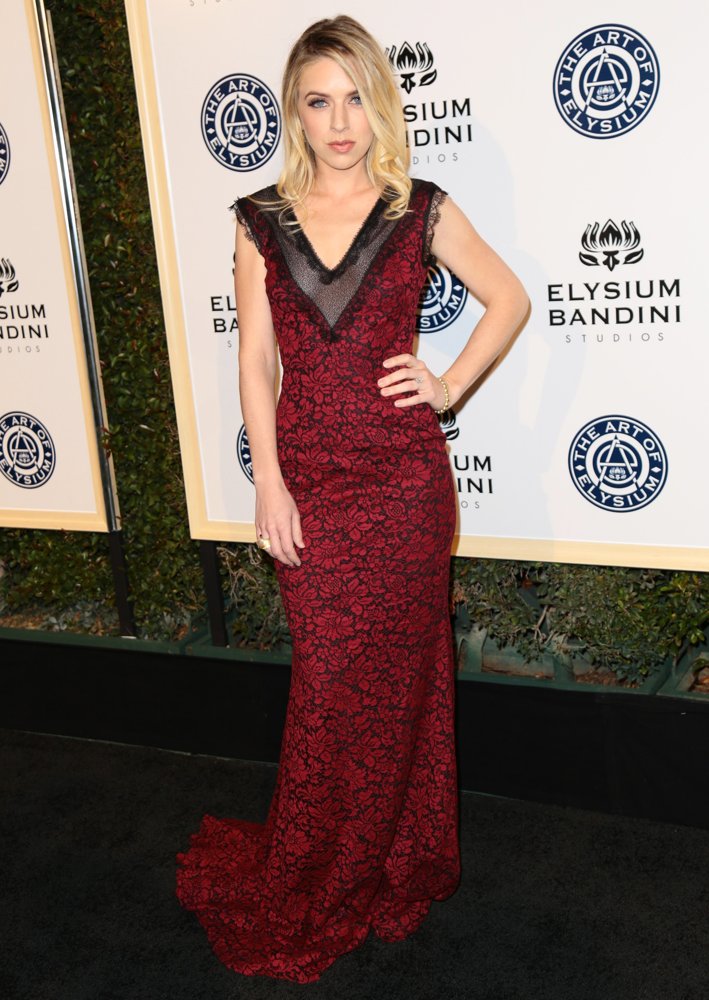
ZZ Ward
The Art of Elysium Presents Stevie Wonder's HEAVEN - Celebrating The 10th Anniversary
Jan 7, 2017

ZZ Ward
56th GRAMMY Awards - P and E Wing Event Honoring Neil Young
Jan 21, 2014

ZZ Ward
56th GRAMMY Awards - P and E Wing Event Honoring Neil Young
Jan 21, 2014

ZZ Ward
56th GRAMMY Awards - P and E Wing Event Honoring Neil Young
Jan 21, 2014

ZZ Ward
2014 ESPYS Awards - Arrivals
Jul 16, 2014

ZZ Ward
2014 ESPYS Awards - Arrivals
Jul 16, 2014





⭐Featured Celebrities