Sir Ridley Scott, born on 30 November 1937, stands as one of the most influential and visually distinctive filmmakers in cinema history, renowned for his atmospheric and highly concentrated visual style that has defined science fiction, crime, and historical epic films. As the eighth-highest-grossing director of all time, with his films earning a cumulative five billion dollars worldwide, Scott has crafted some of the most iconic and enduring images in modern cinema, from the rain-slicked streets of a dystopian Los Angeles to the sweeping sands of ancient Rome. His career, spanning over five decades, has earned him numerous accolades, including an Academy Honorary Award, the BAFTA Fellowship for Lifetime Achievement in 2018, two Primetime Emmy Awards, and two Golden Globe Awards, alongside nominations for four Academy Awards and eight BAFTA Awards. He was knighted by Queen Elizabeth II in 2003 and further honored with a Knight Grand Cross by King Charles III in 2024.
Scott’s journey began in South Shields, England, and he later became an alumnus of the Royal College of Art in London, where he honed his design and filmmaking skills. He started his professional career in television as a designer and director before transitioning to the world of advertising, where he became a highly sought-after director of commercials. This background in visual storytelling proved foundational, allowing him to make a striking feature film directorial debut with The Duellists in 1977, which won the Best First Film award at the Cannes Film Festival. He gained wider, international recognition with his next film, the groundbreaking science fiction horror Alien in 1979, which introduced audiences to the terrifying Xenomorph and established Scott as a master of tension and world-building.
Scott continued to push cinematic boundaries with his visionary 1982 film Blade Runner, a neo-noir science fiction masterpiece that, despite a mixed initial reception, grew in stature to become a cornerstone of the genre. He demonstrated remarkable range by directing the feminist road movie Thelma & Louise in 1991, which earned him his first Academy Award nomination for Best Director. The new millennium saw Scott achieve his greatest commercial and critical triumph with Gladiator in 2000, a historical epic set in 2nd-century Rome that won the Academy Award for Best Picture and earned Scott his second Best Director nomination. He followed this with the intense war drama Black Hawk Down in 2001, set in contemporary Mogadishu, which garnered him a third Best Director nomination. His filmography also includes the 12th-century Jerusalem epic Kingdom of Heaven (2005), the medieval adventure Robin Hood (2010), the ancient Egyptian epic Exodus: Gods and Kings (2014), and a return to science fiction with Prometheus (2012), The Martian (2015), and Alien: Covenant (2017). The Martian earned him an Academy Award nomination for Best Picture as a producer.
Beyond his feature films, Scott has made a significant impact in television, earning ten Primetime Emmy Award nominations. He won twice, for Outstanding Television Film for the HBO film The Gathering Storm (2002) and for Outstanding Documentary or Nonfiction Special for the History Channel's Gettysburg (2011). He was also Emmy-nominated for RKO 281 (1999), The Andromeda Strain (2008), and The Pillars of the Earth (2010). In recognition of his immense contribution to cinema, Scott and his brother Tony Scott received a British Academy Film Award for Outstanding British Contribution to Cinema in 1995. Three of his films—Alien, Blade Runner, and Thelma & Louise—have been selected for preservation in the United States National Film Registry by the Library of Congress for being considered culturally, historically, or aesthetically significant. In a 2004 BBC poll, Scott was ranked tenth on the list of the most influential people in British culture. He continues to be an active and prolific filmmaker, with recent projects including the 2024 sequel Gladiator II, further cementing his legacy as a cinematic titan.
⭐
Similar Celebrities


📷
Recent Photos

Ashley Tisdale
Ashley Tisdale Leaves A West Los Angeles Studio Sporting A Huge Engagement Ring
Aug 14, 2013

Ashley Tisdale
Ashley Tisdale Leaves A West Los Angeles Studio Sporting A Huge Engagement Ring
Aug 14, 2013

Ashley Tisdale
Ashley Tisdale Leaves A West Los Angeles Studio Sporting A Huge Engagement Ring
Aug 14, 2013
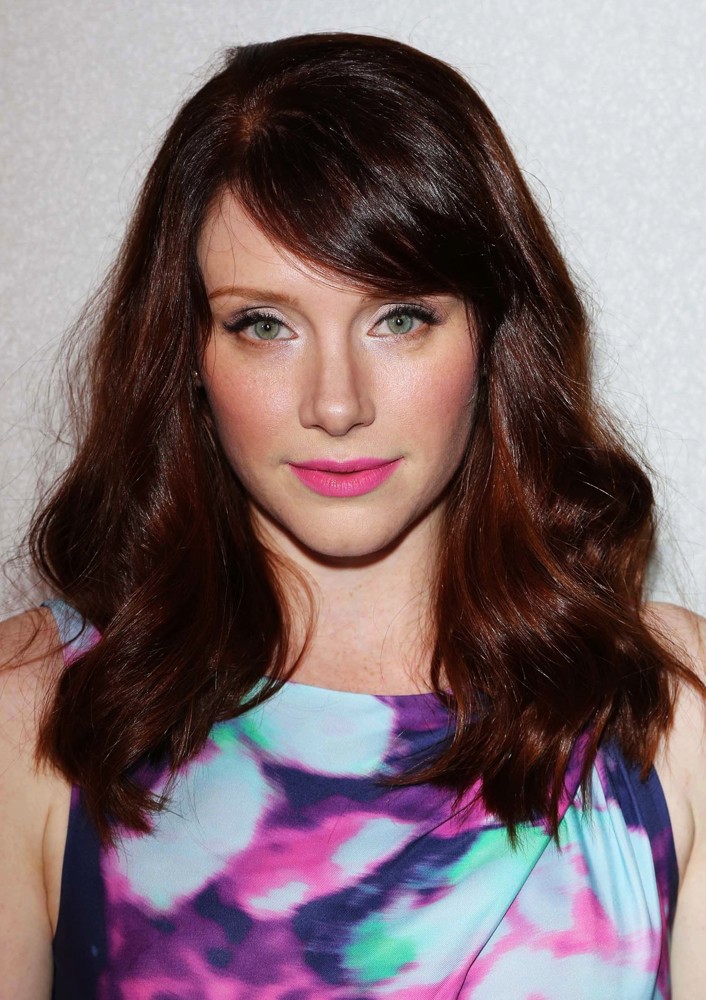
Bryce Dallas Howard
Ariel Foxman and The West Coast Editors of InStyle Host The 12th Annual InStyle Summer Soiree
Aug 14, 2013

Bryce Dallas Howard
Ariel Foxman and The West Coast Editors of InStyle Host The 12th Annual InStyle Summer Soiree
Aug 14, 2013
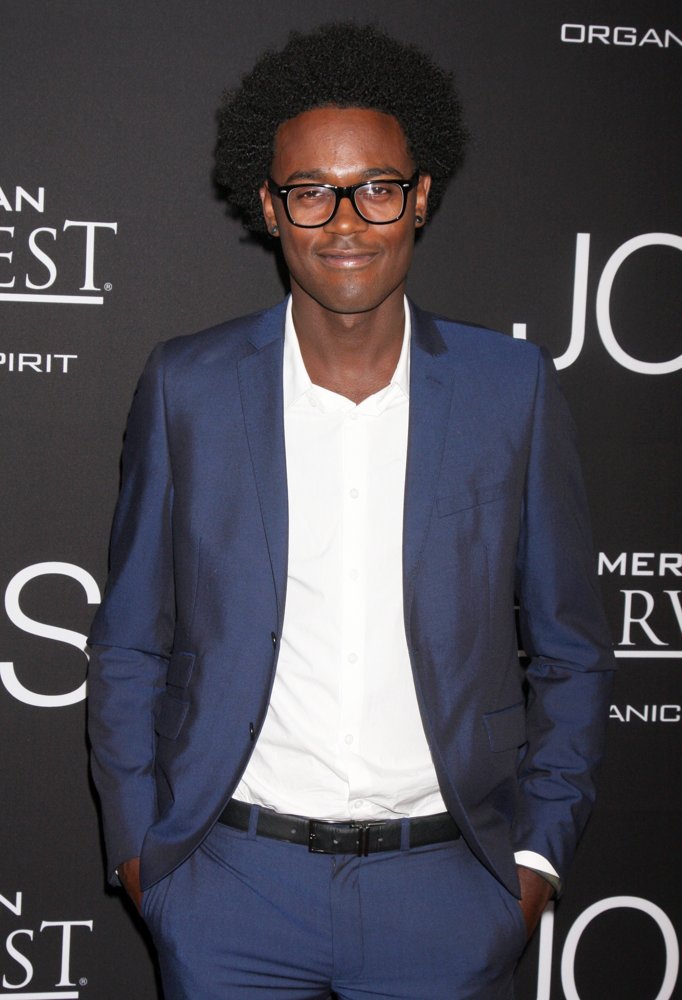
Echo Kellum
JOBS Los Angeles Screening
Aug 14, 2013



⭐Featured Celebrities