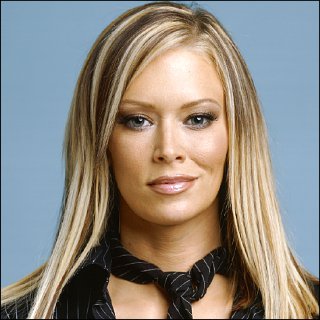
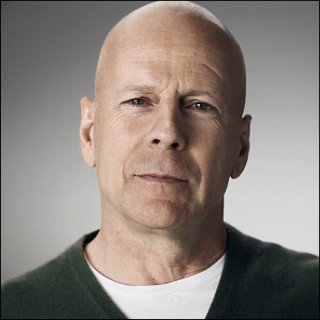
Peter Henry Fonda, born on February 23, 1940, in New York City, was a defining figure of American cinema whose career spanned five decades and mirrored the cultural upheavals of his generation. As the son of legendary actor Henry Fonda and the younger brother of actress and activist Jane Fonda, Peter was born into Hollywood royalty, yet he forged his own path as an actor, writer, and director, becoming a symbol of 1960s counterculture and later earning prestigious industry accolades for his mature dramatic work. He passed away on August 16, 2019, leaving behind a legacy that included two Academy Award nominations and two Golden Globe wins.
Fonda’s artistic journey began on the stage, where he quickly distinguished himself with a performance in the play Blood, Sweat and Stanley Poole, earning both the New York Drama Critics' Circle Award and the Theatre World Award. This early success launched a film career that would see him become a prominent figure of the era’s rebellious spirit. His breakthrough came with the iconic road movie Easy Rider (1969), which he co-wrote and starred in alongside Dennis Hopper. The film, a landmark exploration of freedom and disillusionment, earned Fonda his first Academy Award nomination for Best Original Screenplay and cemented his status as a voice of the youth movement. Following this, he stepped behind the camera for his directorial debut, the revisionist Western The Hired Hand (1971), showcasing a more introspective and artistic side. Throughout the 1970s, he established himself as a reliable action star with films such as Dirty Mary, Crazy Larry (1974) and the sci-fi thriller Futureworld (1976), maintaining a steady presence in Hollywood while navigating the changing tides of the industry.
After years of genre work, Fonda experienced a remarkable critical renaissance in the late 1990s with his starring role in Ulee's Gold (1997). His portrayal of a stoic, emotionally wounded beekeeper in the Florida panhandle earned him widespread acclaim, an Academy Award nomination for Best Actor, and a Golden Globe Award for Best Actor in a Motion Picture Drama. This career resurgence continued with his performance in the television film The Passion of Ayn Rand (1999), for which he won a second Golden Globe, this time for Best Supporting Actor in a Series, Miniseries, or Television Film. Fittingly, his contributions to the industry were formally recognized in 2003 when he received a star on the Hollywood Walk of Fame at 7018 Hollywood Boulevard. Beyond his professional achievements, Fonda’s personal life was deeply intertwined with his famous family; he was the father of actress Bridget Fonda, and his relationships with his father and sister were often the subject of public fascination. Peter Fonda’s life was a testament to artistic reinvention, from a counterculture icon to a celebrated character actor, solidifying his place as a unique and enduring talent in American film history.
⭐
Similar Celebrities


📷
Recent Photos
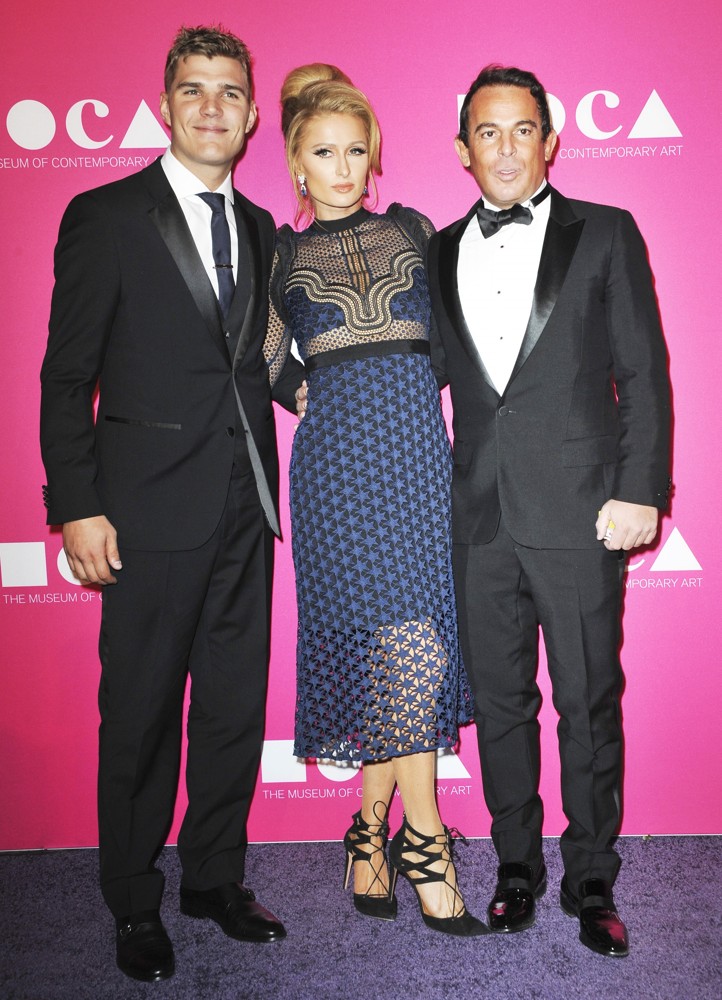
Chris Zylka
MOCA Gala 2017
Apr 29, 2017

Lucas Zwirner
21 Bridges Screening
Nov 19, 2019

Lucas Zwirner
The 72nd Annual Writers Guild Awards
Feb 1, 2020
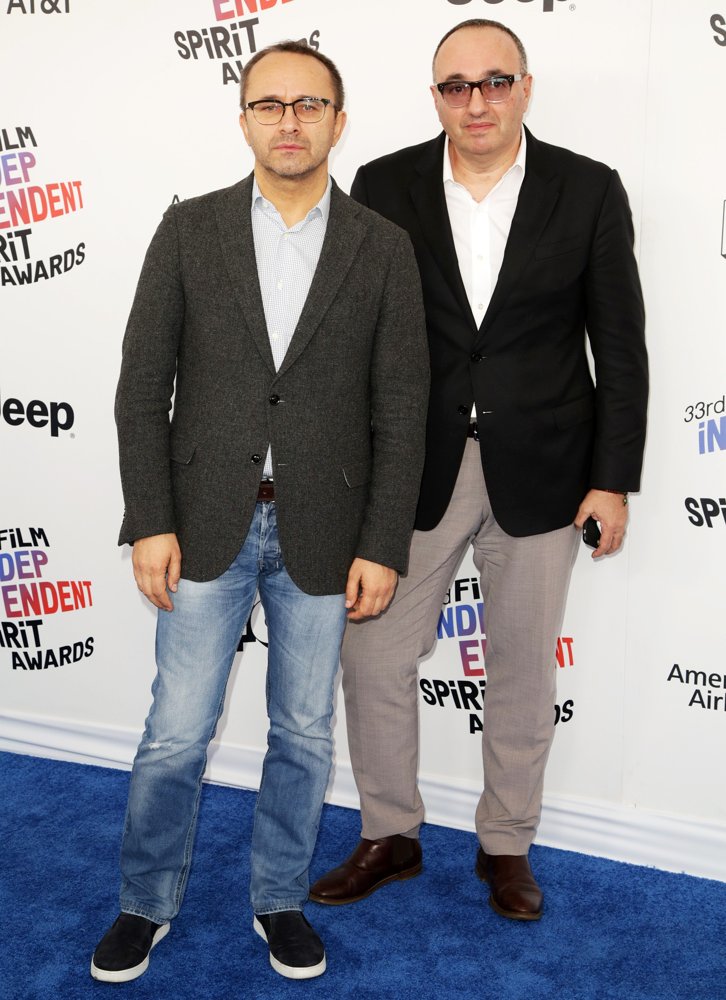
Andrey Zvyagintsev
2018 Film Independent Spirit Awards - Arrivals
Mar 3, 2018

Zuri Tibby
Victoria's Secret Fashion Show Viewing Party - Red Carpet Arrivals
Dec 2, 2018
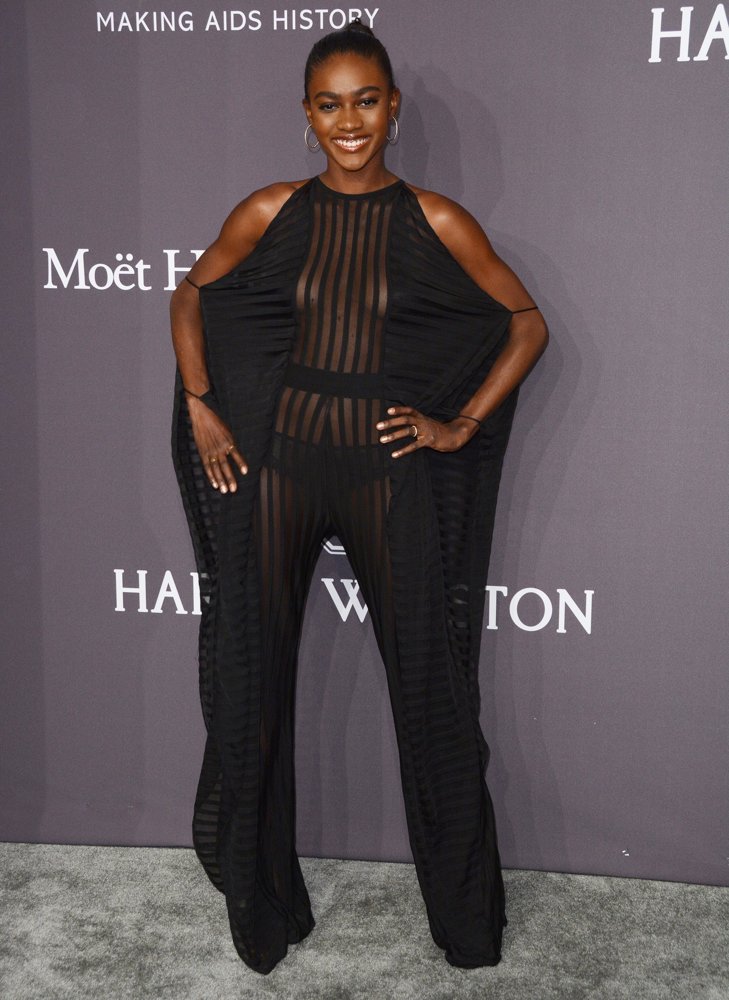
Zuri Tibby
amfAR New York 2017 Gala - Red Carpet Arrivals
Feb 8, 2017





⭐Featured Celebrities