William Oliver Stone stands as one of the most provocative and influential American filmmakers of his generation, a director whose unflinching examinations of war, politics, and power have earned him both critical acclaim and fierce controversy. Born on September 15, 1946, in New York City, Stone has crafted a career defined by his willingness to confront the most divisive issues of the late 20th century, from the trauma of Vietnam to the inner workings of the American presidency. Over a career spanning more than four decades, he has amassed a staggering collection of honors, including three Academy Awards, a BAFTA Award, a Primetime Emmy, three Independent Spirit Awards, and six Golden Globes, while his films have collectively grossed over $1.3 billion worldwide.
Stone's path to filmmaking was anything but conventional. After a brief and unremarkable stint at Yale University, he made a decision that would fundamentally shape his worldview and artistic vision. In 1967, he enlisted in the United States Army and was deployed to Vietnam, where he served with the 25th Infantry and 1st Cavalry Divisions. His tour of duty was harrowing; he was wounded twice in action and received a Bronze Star with "V" Device for valor, a Purple Heart with Oak Leaf Cluster, an Air Medal, and the Combat Infantryman Badge. This firsthand experience of combat and its aftermath became the raw material for some of the most searing war films ever made, providing an authenticity that no amount of research could replicate.
Following his military service, Stone pivoted to screenwriting, quickly establishing himself as a formidable talent in Hollywood. His script for Midnight Express (1978) earned him his first Academy Award for Best Adapted Screenplay, launching a career that saw him pen the scripts for Conan the Barbarian (1982) and the iconic crime drama Scarface (1983). However, it was his directorial breakthrough with Platoon (1986) that cemented his reputation. Drawing directly from his own wartime experiences, the film won the Academy Award for Best Picture and earned Stone his first Best Director Oscar, a feat he repeated three years later with Born on the Fourth of July (1989), a powerful portrait of a paralyzed Vietnam veteran starring Tom Cruise. These two films, alongside Salvador (1986), solidified his status as the preeminent chronicler of the Vietnam War era.
The late 1980s and 1990s saw Stone expand his thematic range while maintaining his signature intensity. He explored the seductive dangers of capitalism in Wall Street (1987), which he revisited decades later with the sequel Wall Street: Money Never Sleeps (2010). He delved into the myth and tragedy of rock stardom with The Doors (1991) and tackled the assassination of President John F. Kennedy in the controversial and influential JFK (1991). His subsequent works, including the Vietnam epic Heaven & Earth (1993), the provocative Natural Born Killers (1994), and the intimate historical portrait Nixon (1995), continued to court controversy while demonstrating his fearless approach to complex subject matter. He also brought his kinetic style to the sports drama genre with Any Given Sunday (1999).
In the 21st century, Stone has remained a vital and outspoken figure in American cinema. He directed W. (2008), a biographical look at President George W. Bush, and Snowden (2016), a dramatization of the life of NSA whistleblower Edward Snowden. Throughout his career, his films have consistently focused on the controversial political issues of their time, and he has been a vocal critic of American foreign policy, which he views as driven by nationalist and imperialist agendas. This outspokenness has made Stone a polarizing figure, with some critics accusing him of promoting conspiracy theories, yet his impact on the art of filmmaking is undeniable. Oliver Stone's legacy is that of a cinematic provocateur who used his platform to challenge audiences, question authority, and force a reckoning with the darkest chapters of American history.
⭐
Similar Celebrities

📷
Recent Photos

AJ Odudu
EE British Academy Film Awards 2018 - Arrivals
Feb 18, 2018
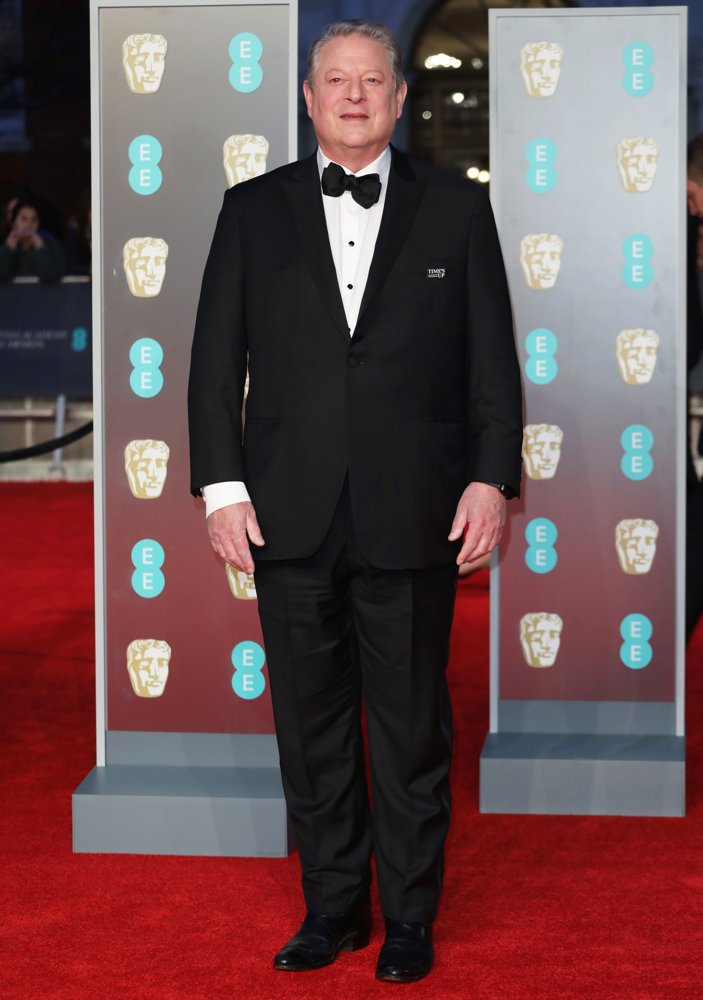
Al Gore
EE British Academy Film Awards 2018 - Arrivals
Feb 18, 2018
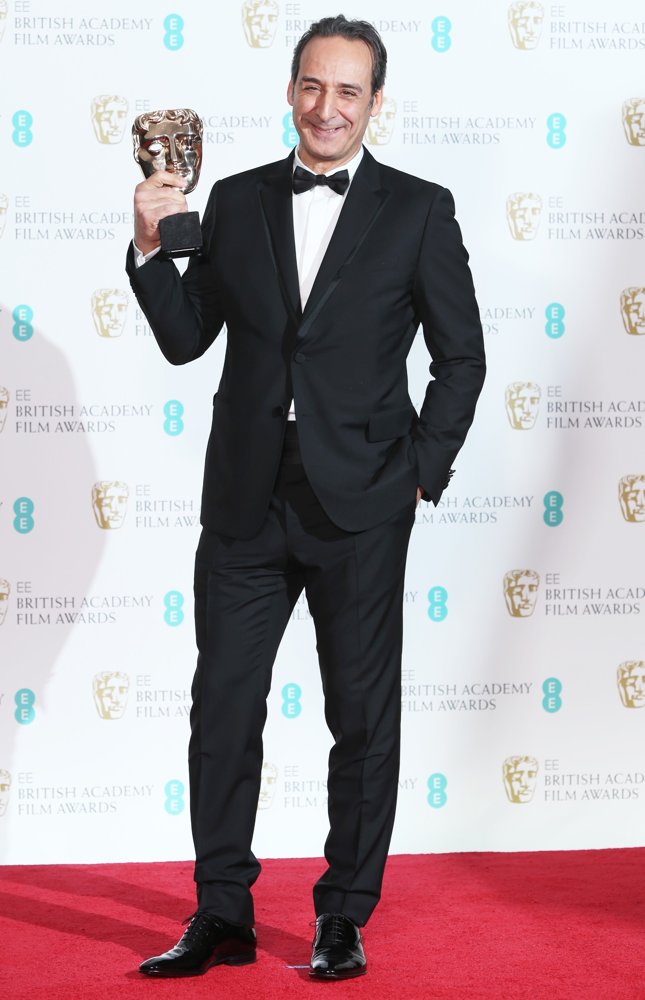
Alexandre Desplat
EE British Academy Film Awards 2018 - Press Room
Feb 18, 2018

Alicia Vikander
Tomb Raider Photocall
Feb 18, 2018

Alicia Vikander
Tomb Raider Photocall
Feb 18, 2018

Allison Janney
EE British Academy Film Awards 2018 - Arrivals
Feb 18, 2018





⭐Featured Celebrities