Monica Samille Lewinsky, born on July 23, 1973, is an American activist, television personality, and fashion designer whose name became synonymous with one of the most consequential political scandals in modern American history. She first captured the world's attention in the late 1990s when her relationship with then-U.S. president Bill Clinton came to light, an affair that would ultimately lead to Clinton's impeachment and forever alter the landscape of American political discourse.
Raised in a well-to-do family in Los Angeles and later Portland, Oregon, Lewinsky attended Lewis & Clark College before transferring to Santa Monica College and eventually earning a degree in psychology from Lewis & Clark in 1995. That same year, she began an unpaid internship at the White House, a position that would prove fateful. Between 1995 and 1997, Lewinsky engaged in a clandestine relationship with Clinton, a fact she initially denied but later acknowledged when the scandal erupted in January 1998. The ensuing investigation led by independent counsel Kenneth Starr, combined with a media frenzy of unprecedented intensity, resulted in Clinton's impeachment by the House of Representatives in December 1998, although he was acquitted by the Senate. The affair, which came to be known as the Clinton–Lewinsky scandal, thrust Lewinsky into an unforgiving global spotlight, transforming her from a private citizen into a tabloid fixture overnight.
In the aftermath of the scandal, Lewinsky sought to rebuild her life away from the political maelstrom. She relocated to New York City, where she launched a handbag line under her own name in the early 2000s, a venture that garnered moderate commercial success and allowed her to reclaim a degree of professional autonomy. She also served as an advertising spokesperson for the Jenny Craig diet plan and made appearances on various television programs, including a brief stint as a correspondent for The Tonight Show with Jay Leno. Despite these efforts, the public's fascination with her past remained relentless, and Lewinsky largely retreated from the public eye to focus on her education. In 2006, she earned a master's degree in psychology from the London School of Economics, a significant personal achievement that signaled her desire to move beyond the scandal that had defined her early adulthood.
Since 2014, Lewinsky has emerged as a prominent activist and public speaker, channeling her experiences into advocacy against cyberbullying and online harassment. She has written extensively on the subject, including a widely read essay for Vanity Fair in which she reflected on the "culture of humiliation" she endured and called for greater empathy in the digital age. Her work has been praised for its candor and resilience, and she has become a sought-after voice in discussions about privacy, media ethics, and the treatment of women in public life. In recent years, she has collaborated with organizations dedicated to anti-bullying initiatives and has used her platform to critique the very media ecosystem that once consumed her story, offering a nuanced perspective on the intersection of power, gender, and technology.
Today, Lewinsky continues to balance her roles as an activist, writer, and public figure, often speaking at conferences and universities about the importance of digital citizenship and the human cost of public shaming. While her name will forever be linked to the events of the late 1990s, her trajectory reflects a determined effort to redefine her legacy on her own terms. Through her advocacy, she has transformed a deeply personal ordeal into a broader social mission, cementing her status not merely as a historical footnote but as a resilient voice for change in an increasingly connected world.
⭐
Similar Celebrities


📷
Recent Photos
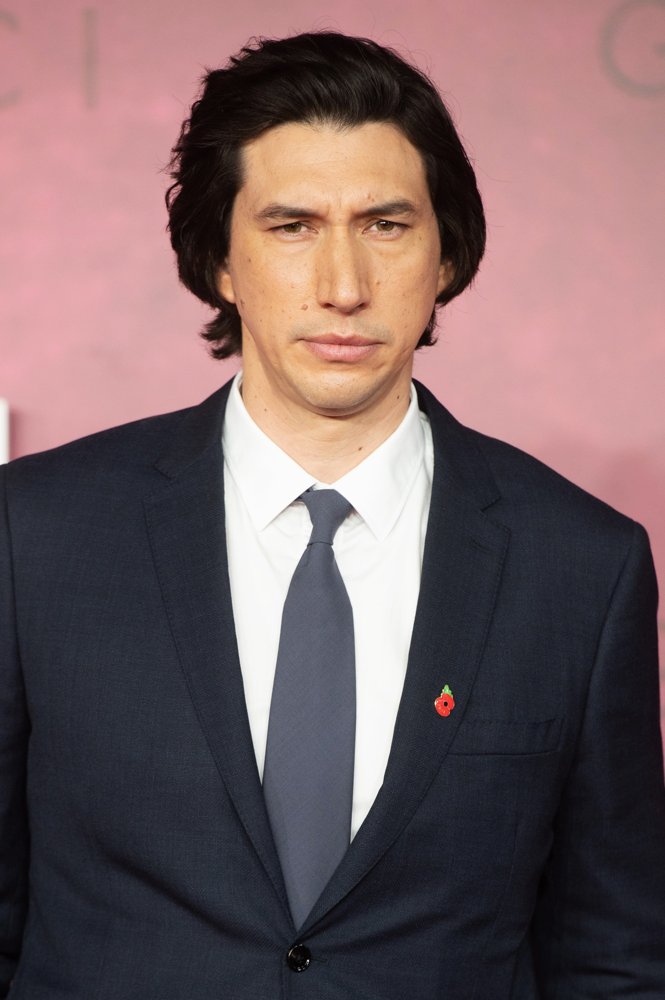
Adam Driver
House of Gucci UK Premiere - Arrivals
Nov 9, 2021
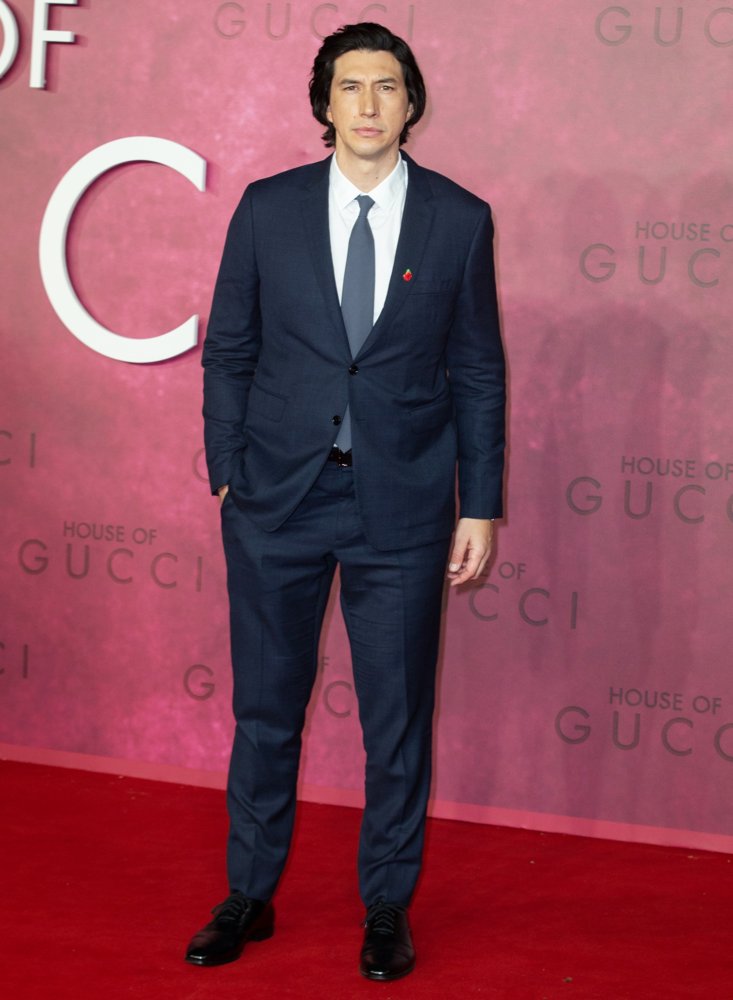
Adam Driver
House of Gucci UK Premiere - Arrivals
Nov 9, 2021
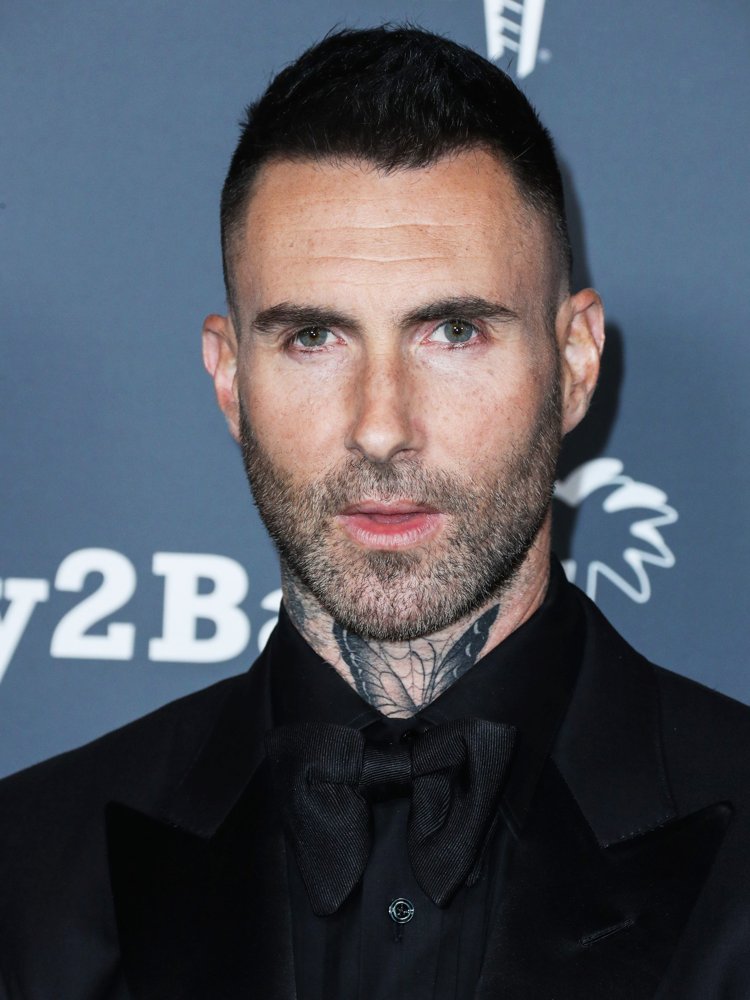
Adam Levine
Baby2Baby 10-Year Gala 2021
Nov 13, 2021
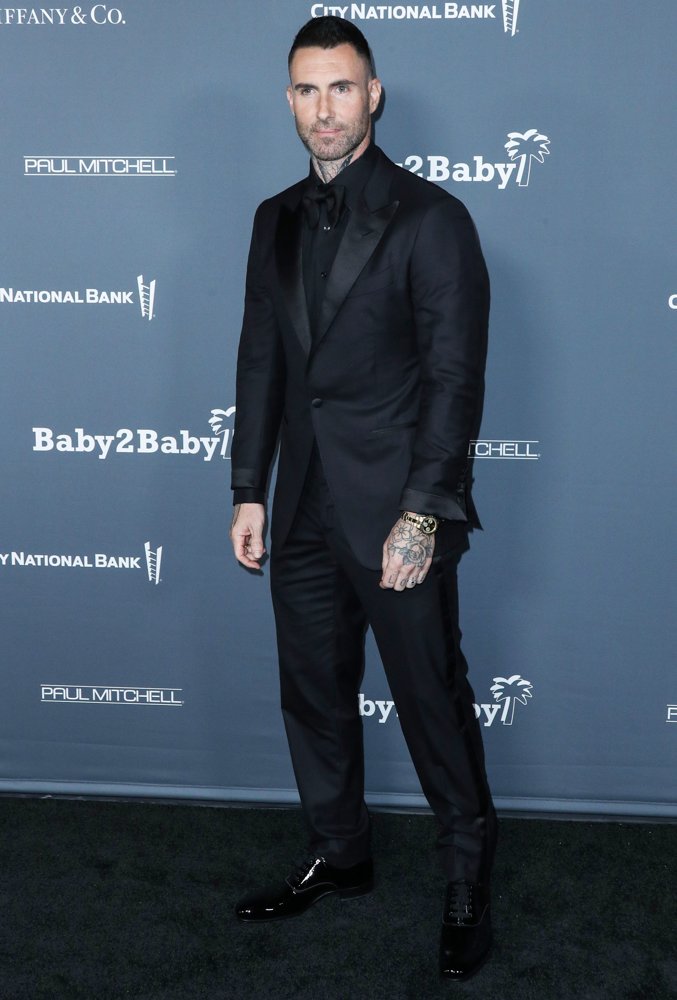
Adam Levine
Baby2Baby 10-Year Gala 2021
Nov 13, 2021

Addison Rae
The Fashion Awards 2021
Nov 29, 2021
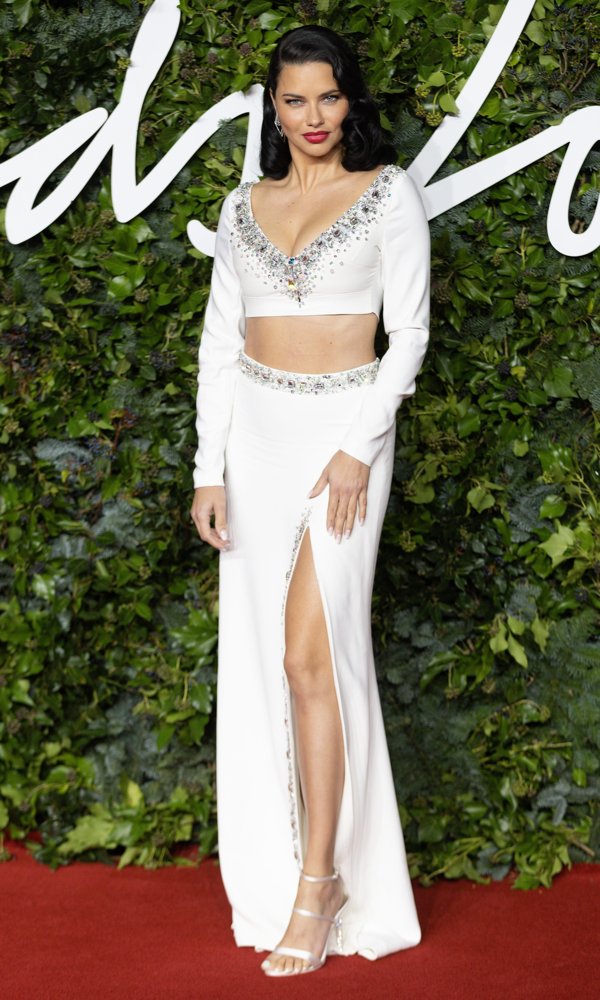
Adriana Lima
The Fashion Awards 2021
Nov 29, 2021

⭐Featured Celebrities