Michael Chan Wai-Man, a towering figure in Hong Kong cinema, is best known for his formidable presence as a martial arts villain and character actor across decades of film. Born in 1953, Chan's imposing stature and mastery of kung fu made him a natural fit for the action genre, where he became a staple of the golden age of Hong Kong filmmaking. His career, spanning from the 1970s through the present day, is marked by memorable roles opposite some of the industry's biggest stars, earning him a dedicated following among fans of classic martial arts cinema.
Chan's early life was shaped by a deep immersion in martial arts, which he began studying at a young age. This discipline led him to the film industry, where he first gained attention for his physicality and screen presence. He broke into the mainstream through his collaborations with director Chang Cheh and the Shaw Brothers Studio, appearing in classic films like The 36th Chamber of Shaolin and Five Deadly Venoms. These roles showcased his ability to portray menacing antagonists with a sense of stoic intensity, making him a sought-after villain in the competitive Hong Kong market. His work with Gordon Liu and Ti Lung during this period cemented his reputation as a reliable and powerful performer.
As his career progressed, Chan expanded beyond the Shaw Brothers fold, working with emerging directors such as Wong Kar-wai and John Woo. He appeared in As Tears Go By and Hard Boiled, demonstrating his versatility by moving from pure action roles to more nuanced characters in crime dramas. His performance in The Killer alongside Chow Yun-fat is particularly noted for its intensity, while his role in The Bride with White Hair added a layer of tragic villainy to his filmography. Chan's ability to command the screen, even in limited screen time, made him a favorite among filmmakers seeking a credible threat for their heroes.
In the 1990s and 2000s, Chan continued to work prolifically, appearing in films like Ip Man and The Grandmaster, where he played older, more weathered characters that still retained his signature physicality. His later career also included work in television, with cameo appearances in series like The Legend of the Condor Heroes, and he remained active in the industry as a mentor to younger actors. Despite the decline of the Hong Kong film industry's golden age, Chan's legacy as a quintessential villain endures, celebrated by fans at film festivals and retrospectives. Today, he is regarded as a living legend of martial arts cinema, with a body of work that continues to inspire new generations of filmmakers and action enthusiasts.
⭐
Similar Celebrities


📷
Recent Photos
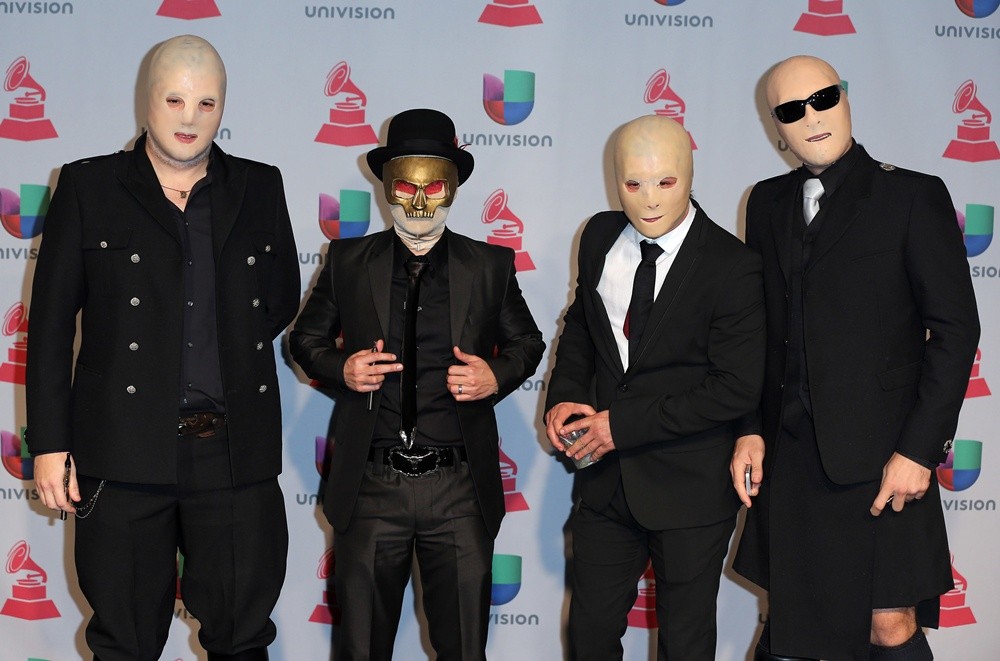
A Band of Bitches
The Latin Grammys 2013
Nov 21, 2013
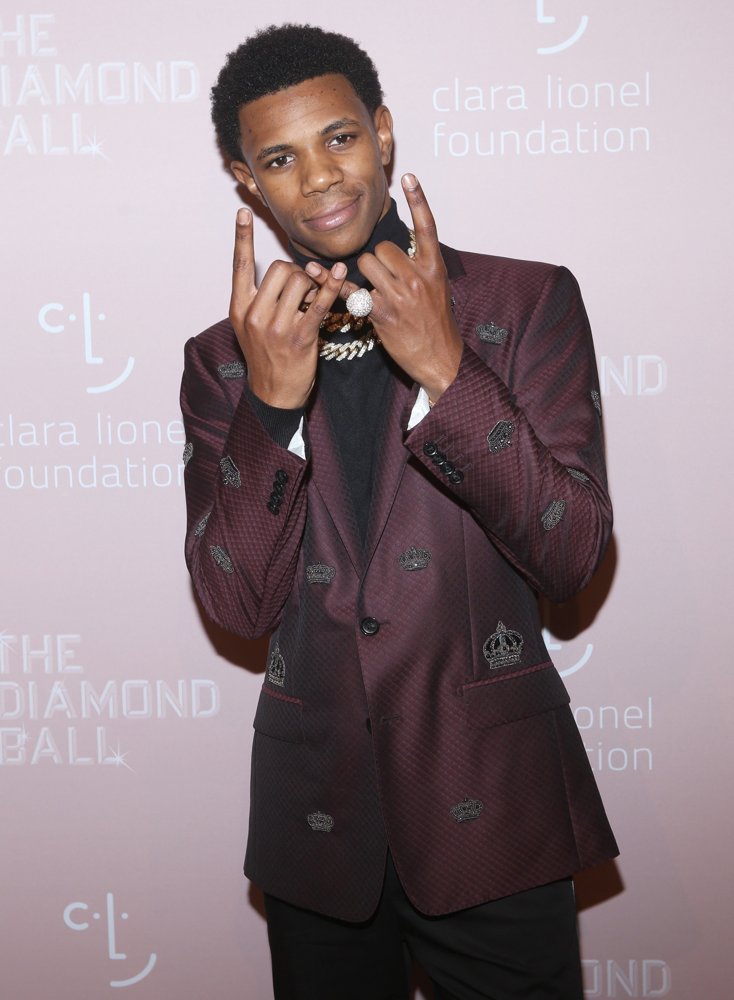
A Boogie Wit Da Hoodie
Rihanna's 4th Annual Diamond Ball
Sep 13, 2018
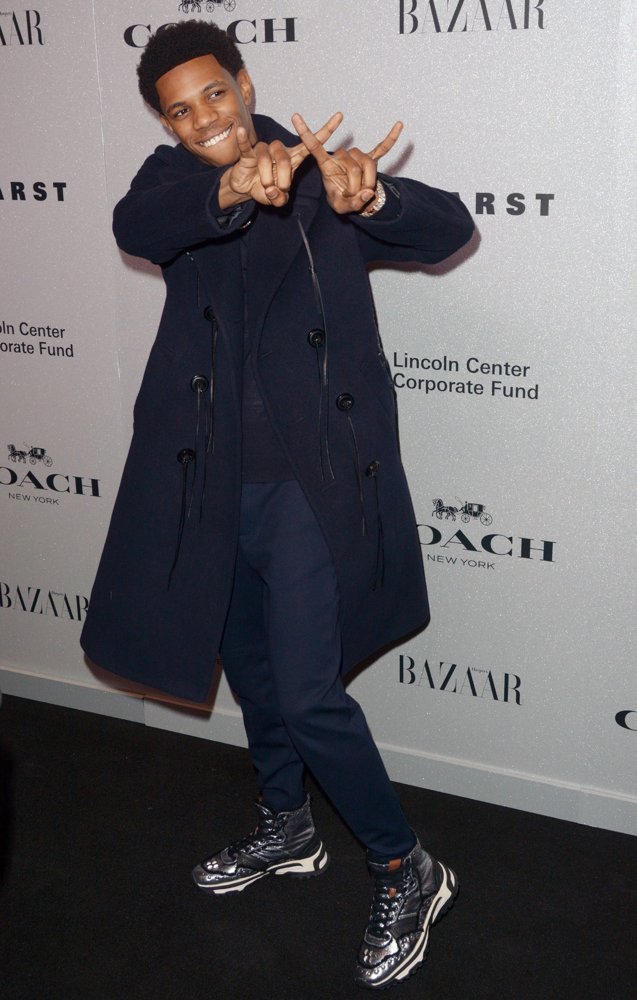
A Boogie Wit Da Hoodie
Lincoln Center Fashion Gala - An Evening Honoring Coach
Nov 29, 2018
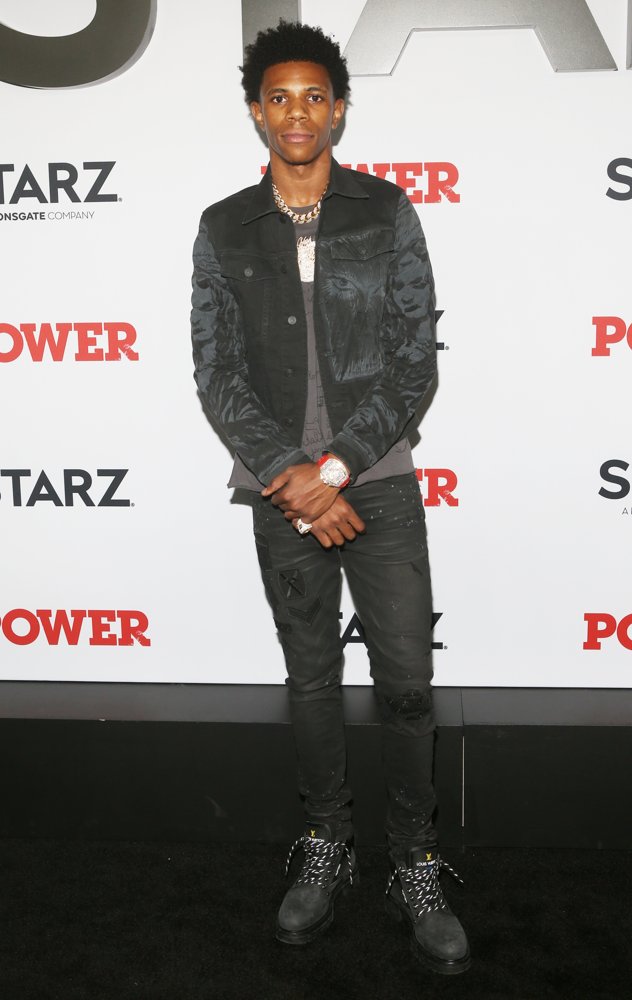
A Boogie Wit Da Hoodie
STARZ Red Carpet Event for Power Final Season World Premiere
Aug 20, 2019

A Fine Frenzy
2014 Entertainment Weekly Pre-Emmy Party - Arrivals
Aug 23, 2014

A Fine Frenzy
2014 Entertainment Weekly Pre-Emmy Party - Arrivals
Aug 23, 2014


⭐Featured Celebrities