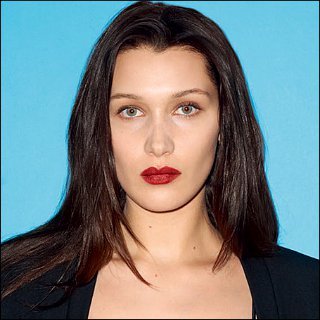
Marianne Evelyn Gabriel Faithfull, born on 29 December 1946 in Hampstead, London, was an English singer-songwriter and actress whose career spanned six decades, marked by remarkable highs, profound personal struggles, and a celebrated artistic reinvention. She first captured the public imagination in the 1960s as one of the leading female voices of the British Invasion, achieving international fame with her haunting UK top 10 single "As Tears Go By." Her ethereal beauty and melodic, high-register vocals made her an icon of the Swinging Sixties, yet her legacy would ultimately be defined by her extraordinary resilience and the raw, whisky-soaked voice that emerged from years of personal turmoil.
Faithfull's entry into the music world came about almost by accident in 1964 when, at just 17 years old, she attended a party for the Rolling Stones and was discovered by the band's manager, Andrew Loog Oldham. This serendipitous meeting launched her recording career, and her 1965 debut album Marianne Faithfull, released simultaneously with the more folk-oriented Come My Way, was a massive success, establishing her as a distinct and promising talent on the Decca label. From 1966 to 1970, her highly publicised romantic relationship with Mick Jagger kept her perpetually in the tabloid spotlight, while her acting career flourished with notable roles in films such as I'll Never Forget What's'isname (1967), The Girl on a Motorcycle (1968), and a 1969 film adaptation of Hamlet. However, this period of glamour and fame was increasingly overshadowed by personal demons, and by the early 1970s, Faithfull's life had spiralled into a well-documented battle with anorexia, homelessness, and heroin addiction, causing her to vanish from the public eye for the better part of a decade.
The 1970s were a dark and destructive period for Faithfull, but they also forged the artist she would become. Severe laryngitis, coupled with years of smoking and drug abuse, irreparably altered her once-pristine voice, leaving it permanently raspy, cracked, and lower in pitch. This transformation, initially a consequence of tragedy, was later praised by critics as "whisky soaked" and proved instrumental in capturing the profound emotional weight of her later work. After a long and difficult absence, she made a triumphant musical comeback in 1979 with the release of her seventh studio album, Broken English. The record was both a commercial and critical success, earning her a Grammy Award nomination for Best Female Rock Vocal Performance and cementing its status as her "definitive recording." This resurgence was followed by a string of acclaimed albums, including Dangerous Acquaintances (1981), A Child's Adventure (1983), and Strange Weather (1987), which solidified her reputation as a formidable and uncompromising artist.
Beyond her music, Faithfull was also a gifted writer, authoring three books about her extraordinary life: Faithfull: An Autobiography (1994), Memories, Dreams & Reflections (2007), and Marianne Faithfull: A Life on Record (2014). Her contributions to the arts were recognised globally, most notably when she received the World Lifetime Achievement Award at the 2009 Women's World Awards and was made a Commandeur of the Ordre des Arts et des Lettres by the French government in 2011. Marianne Faithfull passed away on 30 January 2025, leaving behind a complex and enduring legacy as a pioneering female artist who transformed her deepest vulnerabilities into a powerful, unflinching body of work that continues to inspire.
⭐
Similar Celebrities

📷
Recent Photos
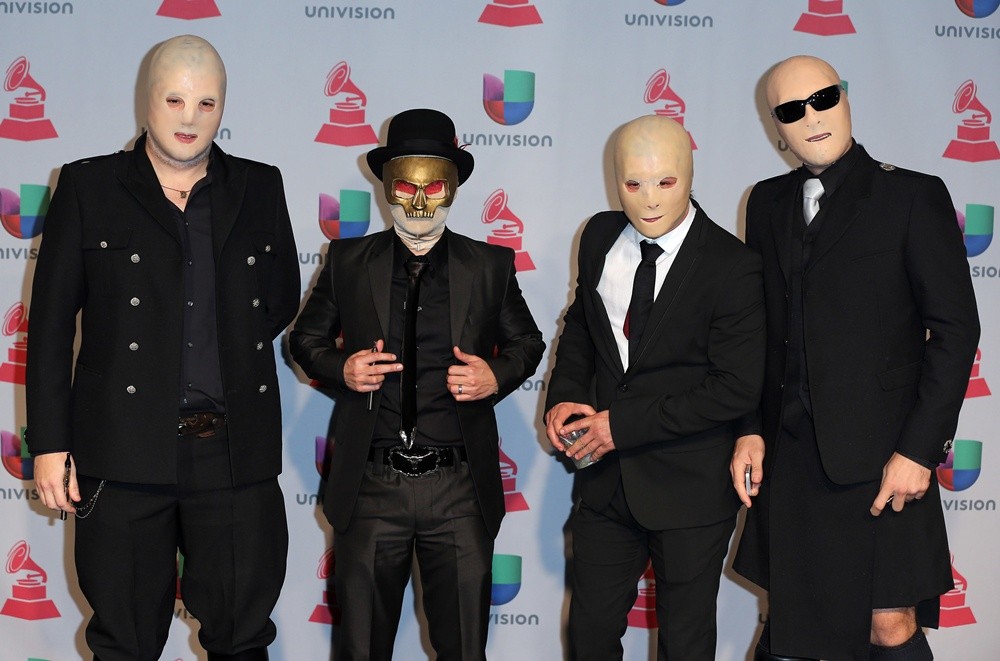
A Band of Bitches
The Latin Grammys 2013
Nov 21, 2013
A Boogie Wit Da Hoodie
Rihanna's 4th Annual Diamond Ball
Sep 13, 2018

A Boogie Wit Da Hoodie
Lincoln Center Fashion Gala - An Evening Honoring Coach
Nov 29, 2018
A Boogie Wit Da Hoodie
STARZ Red Carpet Event for Power Final Season World Premiere
Aug 20, 2019
A Fine Frenzy
2012 Environmental Media Awards - Arrivals
Sep 29, 2012
A Fine Frenzy
2012 Environmental Media Awards - Arrivals
Sep 29, 2012




⭐Featured Celebrities