Leehom Wang emerged as one of Mandarin pop music’s most influential and versatile artists, seamlessly blending Eastern and Western musical traditions to create a sound that resonated across Asia and beyond. Born on May 17, 1976, in Rochester, New York, to Taiwanese parents, Wang grew up in a multicultural environment that would later define his artistic identity. His father, a medical professional, and his mother encouraged his early interest in music, leading him to study classical piano, violin, and guitar. He attended the University of Rochester’s Eastman School of Music before transferring to Williams College, where he earned a degree in music and Asian studies, a foundation that would inform his genre-defying career.
Wang’s entry into the music industry began in 1995 when he was discovered during a talent competition in Taiwan, leading to his debut album "Love Rival Beethoven." Though early efforts positioned him as a teen idol, he quickly sought creative control, and his 1998 album "Revolution" marked a turning point, showcasing his songwriting and production skills. He gained widespread recognition with the 2000 album "Forever’s First Day," which included the hit "Julia," and his 2004 release "The Unheard of" solidified his reputation as a pioneer of Chinese chinked-out music, a fusion of hip-hop, R&B, and traditional Chinese elements. Wang’s ability to incorporate instruments like the erhu and pipa into pop structures earned him comparisons to Western innovators like Prince and Paul Simon, and his 2005 album "Shangri-La" explored Tibetan and ethnic minority influences, further broadening his artistic scope.
Throughout his career, Wang amassed numerous accolades, including multiple Golden Melody Awards, Taiwan’s equivalent of the Grammys, for Best Male Artist and Best Album. He collaborated with a wide array of artists, from Avril Lavigne on the soundtrack for The SpongeBob SquarePants Movie to Mika and Jolin Tsai, and his 2010 album "The 18 Martial Arts" became one of the best-selling Mandarin albums of the year. Wang also ventured into acting, starring in films such as Love in Disguise and The Lust of the Empress, as well as directing and producing the 2013 documentary Open to Music, which chronicled his creative process. His influence extended to philanthropy, as he served as a UNICEF ambassador and supported education and disaster relief initiatives.
In the 2010s, Wang’s career faced significant challenges following his 2013 marriage to Lee Jinglei, a former model and actress. In 2021, allegations of marital infidelity and misconduct surfaced, leading to a public scandal that severely impacted his reputation and career in China. Leehom Wang was subsequently blacklisted from Chinese state media and major platforms, effectively ending his mainstream presence in the region. Despite these setbacks, he continued to release music independently, including the 2023 album "The Way of the Warrior," and maintained a dedicated global fanbase. His legacy remains complex, defined by both his groundbreaking contributions to Mandopop and the personal controversies that reshaped his public image.

📷
Recent Photos
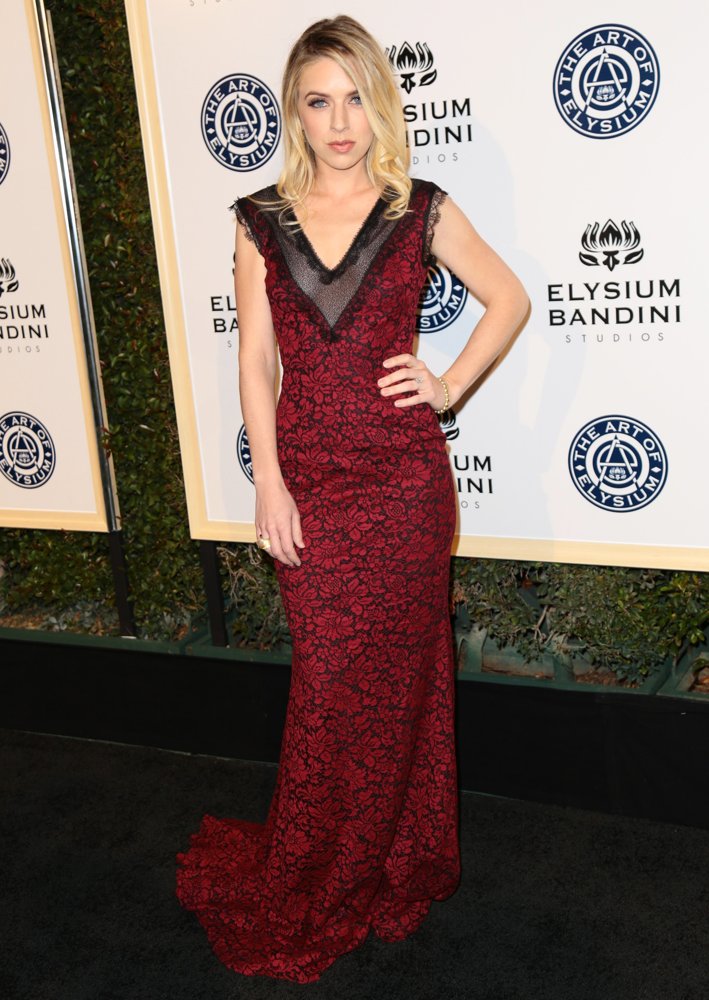
ZZ Ward
The Art of Elysium Presents Stevie Wonder's HEAVEN - Celebrating The 10th Anniversary
Jan 7, 2017

ZZ Ward
56th GRAMMY Awards - P and E Wing Event Honoring Neil Young
Jan 21, 2014
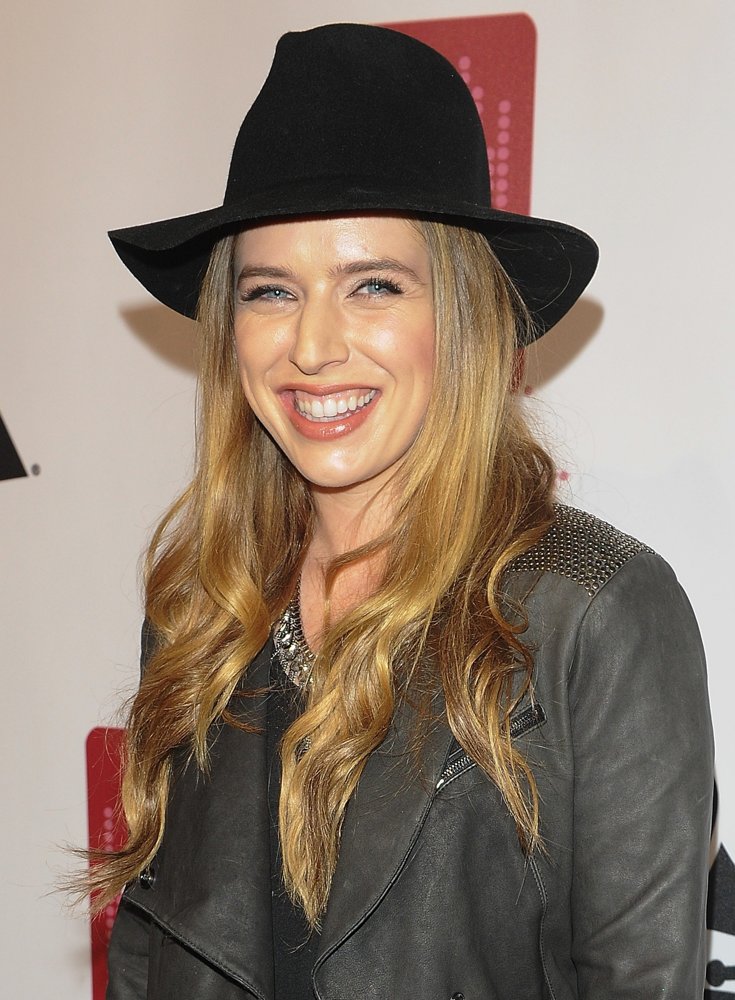
ZZ Ward
56th GRAMMY Awards - P and E Wing Event Honoring Neil Young
Jan 21, 2014

ZZ Ward
56th GRAMMY Awards - P and E Wing Event Honoring Neil Young
Jan 21, 2014

ZZ Ward
2014 ESPYS Awards - Arrivals
Jul 16, 2014

ZZ Ward
2014 ESPYS Awards - Arrivals
Jul 16, 2014





⭐Featured Celebrities