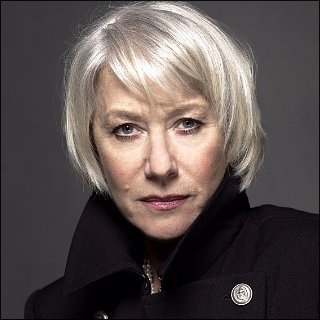
Judy Garland, born Frances Ethel Gumm on June 10, 1922, in Grand Rapids, Minnesota, remains one of the most enduring and tragic icons of Hollywood's Golden Age. Over a career that spanned four decades, she captivated audiences with her powerful contralto voice and remarkable emotional range, becoming a cultural touchstone whose legacy transcends her untimely death. From her start as a child vaudevillian to her legendary status as a film and recording star, Garland's life was a complex tapestry of monumental artistic triumphs and deeply public personal struggles.
Garland began performing at the age of two alongside her older sisters as The Gumm Sisters, a vaudeville act that toured the country. Her prodigious talent caught the attention of Metro-Goldwyn-Mayer, and in 1935, at just 13 years old, she signed a contract with the studio. Initially relegated to supporting roles in ensemble musicals like Broadway Melody of 1938 and Thoroughbreds Don't Cry, her big break arrived in 1939 when she was cast as Dorothy Gale in The Wizard of Oz. The film was a massive success and catapulted her to international fame, with her rendition of "Over the Rainbow" becoming her signature song and an enduring classic. Her performance earned her a special Academy Juvenile Award, acknowledging her exceptional work as a young performer.
Following the triumph of Oz, Garland became one of MGM's most valuable and bankable stars, headlining a string of beloved musicals. She showcased her versatility in films like Meet Me in St. Louis, Easter Parade, and Summer Stock, often sharing the screen with legendary performers such as Mickey Rooney and Fred Astaire. While she excelled in lighthearted musicals, she also proved her dramatic mettle. Her powerful and raw performance in the 1954 musical drama A Star Is Born earned her a nomination for the Academy Award for Best Actress, and she received another nomination for her supporting role in Judgment at Nuremberg in 1961. These roles cemented her reputation as a serious actress capable of conveying profound depth and vulnerability.
Garland's music career was as significant as her film work. She released numerous studio albums and achieved remarkable success with live performances. Her 1961 live album, Judy at Carnegie Hall, was a cultural phenomenon, making her the first woman to win the Grammy Award for Album of the Year. That same year, she became the first female and youngest recipient of the Golden Globe Cecil B. DeMille Award. Her recordings have been preserved for posterity, with six of them inducted into the Grammy Hall of Fame and several of her films, including The Wizard of Oz, preserved in the National Film Registry. In 1999, the American Film Institute ranked her as the eighth-greatest star of classic Hollywood cinema, a testament to her lasting impact.
Despite her professional accolades, Garland's personal life was fraught with hardship. The intense pressures of studio life, combined with a demanding schedule, led her to develop a dependency on prescription medications that plagued her physical and mental health for years. This struggle often overshadowed her career and contributed to a turbulent personal life. On June 22, 1969, at the age of 47, Judy Garland died from an accidental barbiturate overdose. However, her legacy has only grown in the decades since. She is remembered not only for her extraordinary talents as a singer and actress but also as a symbol of resilience, whose voice and spirit continue to inspire generations of performers and fans around the world.
⭐
Similar Celebrities



📷
Recent Photos

A Band of Bitches
The Latin Grammys 2013
Nov 21, 2013
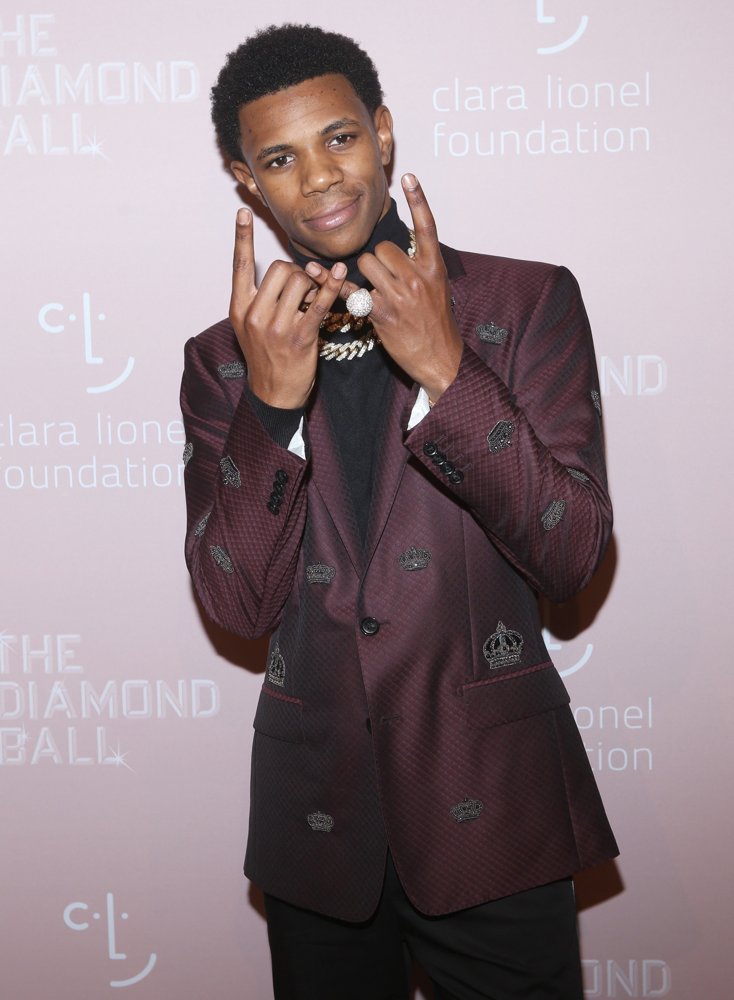
A Boogie Wit Da Hoodie
Rihanna's 4th Annual Diamond Ball
Sep 13, 2018
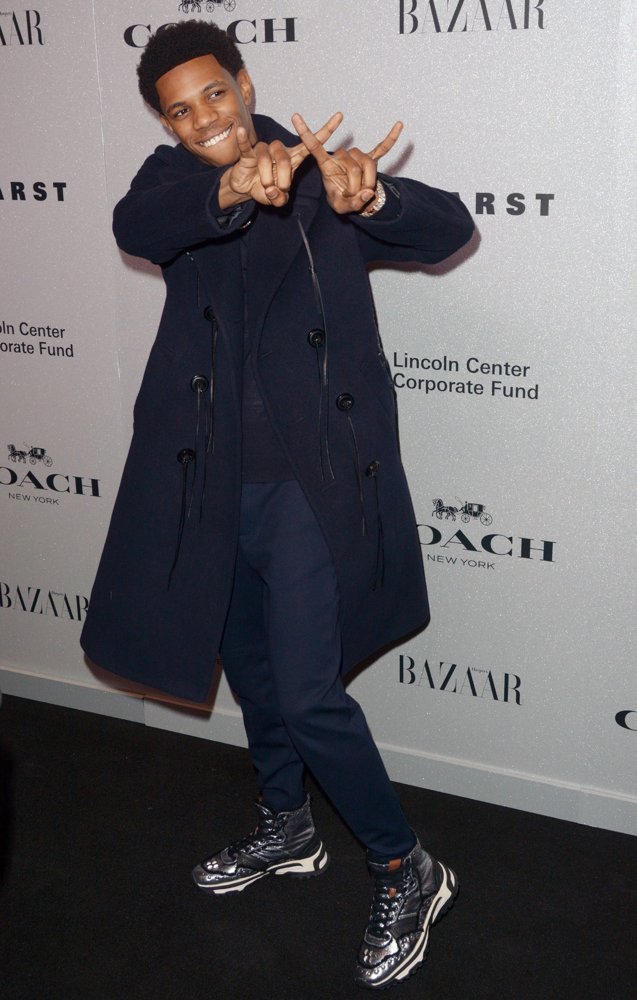
A Boogie Wit Da Hoodie
Lincoln Center Fashion Gala - An Evening Honoring Coach
Nov 29, 2018
A Boogie Wit Da Hoodie
STARZ Red Carpet Event for Power Final Season World Premiere
Aug 20, 2019

A Fine Frenzy
2014 Entertainment Weekly Pre-Emmy Party - Arrivals
Aug 23, 2014
A Fine Frenzy
2014 Entertainment Weekly Pre-Emmy Party - Arrivals
Aug 23, 2014





⭐Featured Celebrities