José Canseco Capas Jr. stands as one of the most electrifying and controversial figures in the history of Major League Baseball. Born on July 2, 1964, in Havana, Cuba, Canseco emigrated to the United States as a child, settling in Miami, Florida, where his prodigious athletic talents began to surface. A towering and physically imposing presence, he was drafted by the Oakland Athletics in the 15th round of the 1982 amateur draft, a selection that would prove to be one of the most significant in franchise history. He made his MLB debut on September 5, 1985, and immediately began to reshape the perception of what a power hitter could achieve.
Canseco’s rise to superstardom was meteoric. In 1986, he was named the American League Rookie of the Year, and by 1988, he had achieved baseball immortality, becoming the first player in MLB history to hit 40 home runs and steal 40 bases in a single season. That same year, he was awarded the American League Most Valuable Player Award, cementing his status as the game’s premier offensive force. Alongside teammate Mark McGwire, he formed the heart of the "Bash Brothers" era in Oakland, leading the Athletics to a World Series championship in 1989. Over his 17-season career, Canseco earned six All-Star selections and four Silver Slugger Awards, finishing his tenure with 462 career home runs and 200 stolen bases, placing him in an exclusive club of players who achieved both milestones. His power output was so prolific that from his debut until his final game on October 6, 2001, no player in the American League hit more home runs.
However, Canseco’s career was as defined by his controversies as his accomplishments. After being traded from Oakland to the Texas Rangers in 1992, his career became a nomadic journey through seven different teams, including the Boston Red Sox, Toronto Blue Jays, Tampa Bay Devil Rays, and New York Yankees, with whom he won a second World Series ring in 2000. Injuries and a flamboyant, often erratic personality frequently overshadowed his on-field production. In 2005, he published the explosive tell-all book "Juiced: Wild Times, Rampant 'Roids, Smash Hits & How Baseball Got Big," in which he admitted to using performance-enhancing drugs throughout his career and alleged that the vast majority of MLB players also used them. The book sent shockwaves through the sport and fundamentally altered the public’s perception of the steroid era, making Canseco a polarizing figure in the ongoing debate over the game’s integrity.
Following his retirement from baseball, Canseco remained a fixture in the public eye through a series of unconventional ventures. He pursued a brief career in professional boxing and mixed martial arts, competing in several high-profile exhibition matches. He also made numerous appearances in reality television and pop culture, often leaning into his larger-than-life persona. Despite the controversies, his statistical legacy remains formidable; he ranks fourth all-time in Athletics history with 254 home runs and holds the second-highest home run total in MLB history for a player with fewer than 2,000 games played. Today, José Canseco remains a complex and enduring symbol of baseball’s most volatile era, remembered as both a pioneering power hitter and a cautionary tale.
⭐
Similar Celebrities

📷
Recent Photos
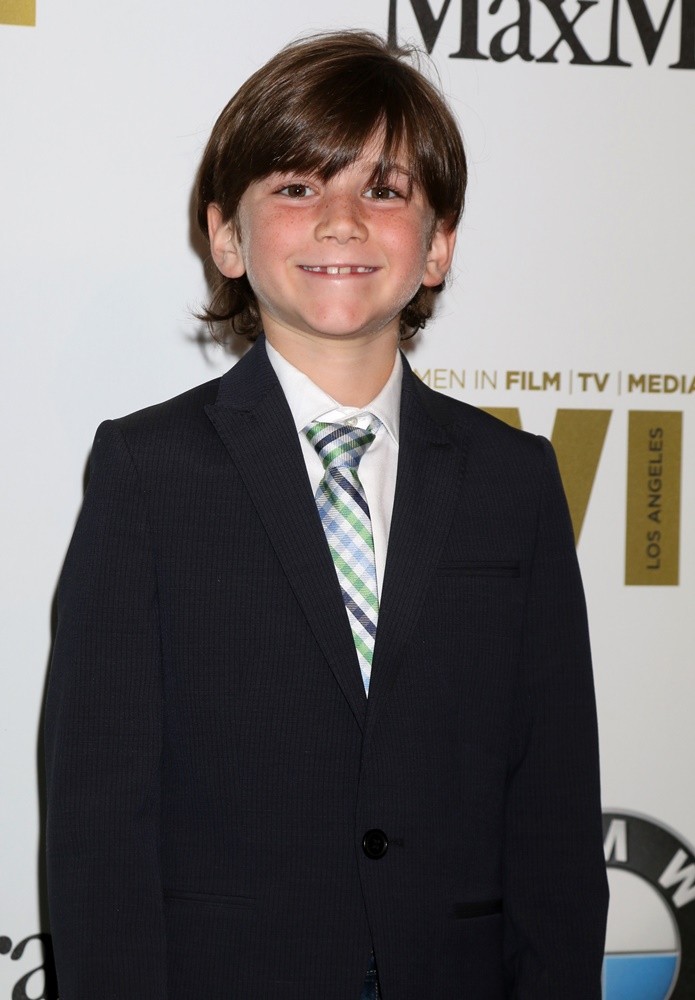
Alexander James Rodriguez
Women in Film 2016 Crystal + Lucy Awards Presented by Max Mara and BMW
Jun 15, 2016

Lake Bell
Women in Film 2016 Crystal + Lucy Awards Presented by Max Mara and BMW
Jun 15, 2016
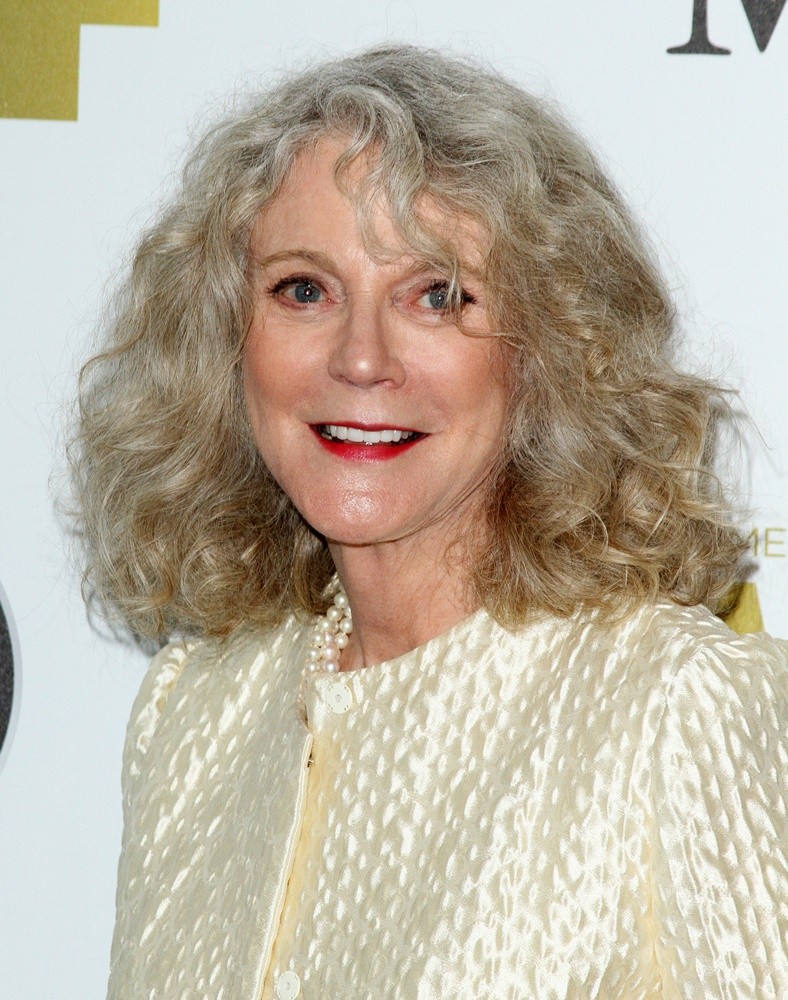
Blythe Danner
Women in Film 2016 Crystal + Lucy Awards Presented by Max Mara and BMW
Jun 15, 2016
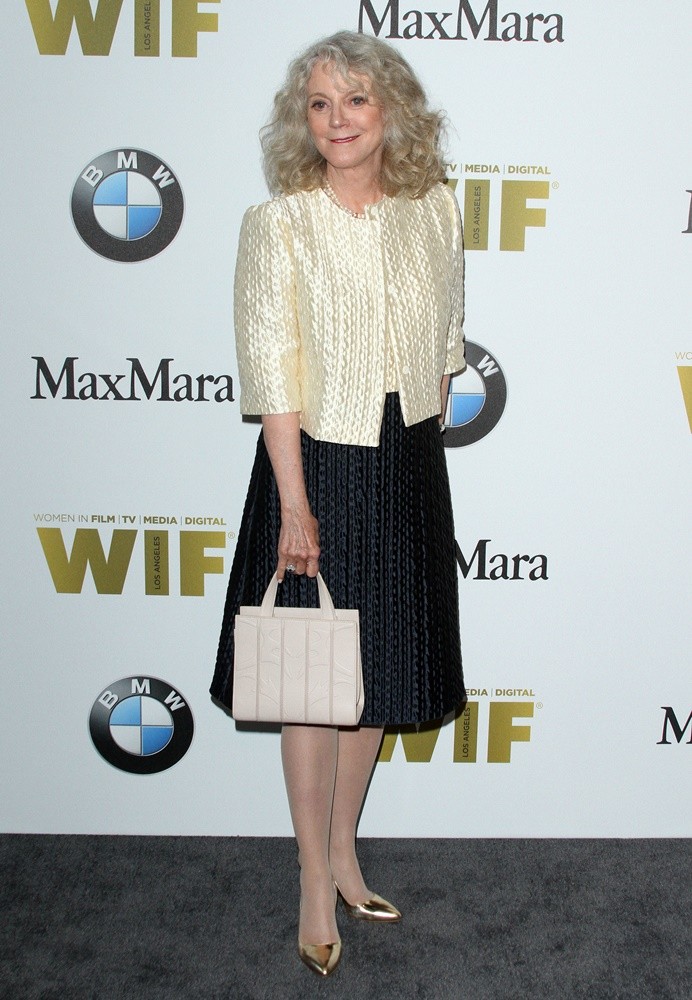
Blythe Danner
Women in Film 2016 Crystal + Lucy Awards Presented by Max Mara and BMW
Jun 15, 2016
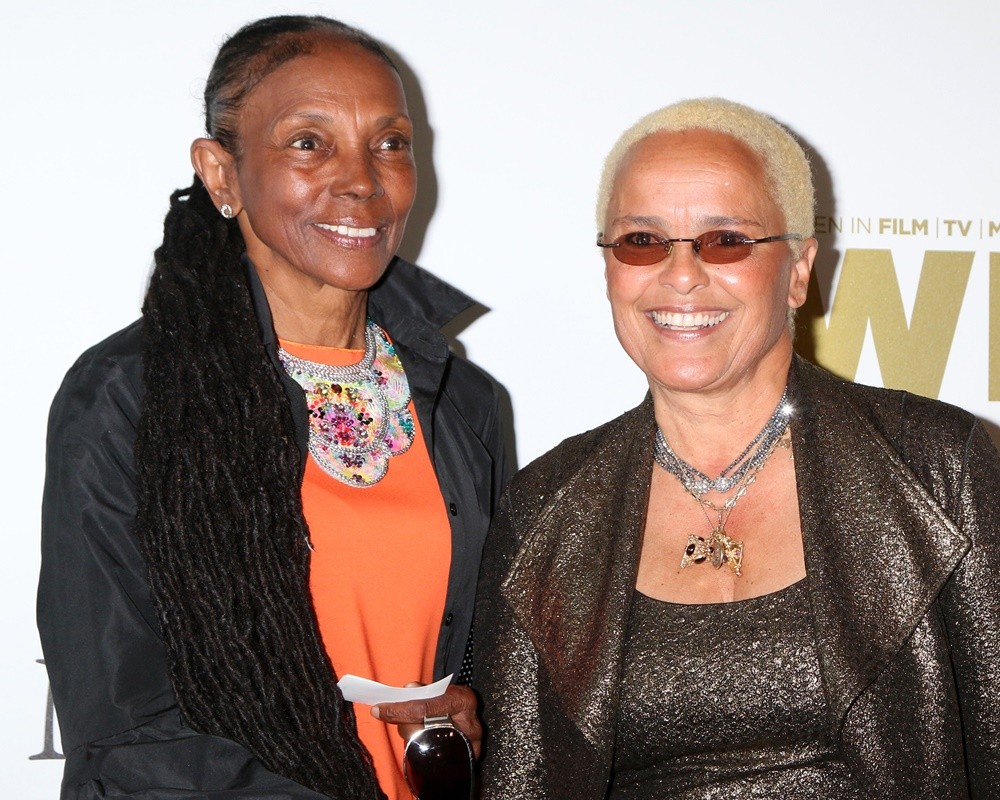
Candace Bowen
Women in Film 2016 Crystal + Lucy Awards Presented by Max Mara and BMW
Jun 15, 2016
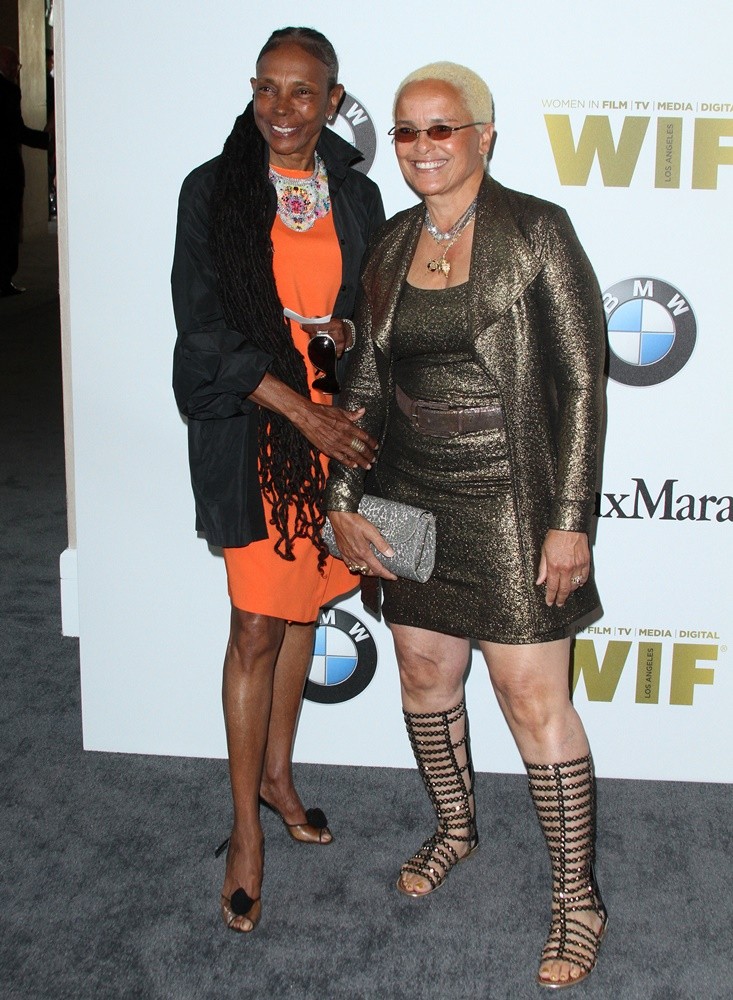
Candace Bowen
Women in Film 2016 Crystal + Lucy Awards Presented by Max Mara and BMW
Jun 15, 2016




⭐Featured Celebrities