John Ronald Reuel Tolkien, born on 3 January 1892 in Bloemfontein, South Africa, and passing on 2 September 1973, stands as one of the most transformative figures in literary history, widely celebrated as the father of modern fantasy literature. As an English writer, poet, and academic philologist, he created an entire mythological universe through his high fantasy works, most notably The Hobbit and The Lord of the Rings. These masterpieces not only captivated millions of readers but also fundamentally reshaped the fantasy genre, inspiring countless authors and adaptations, including the acclaimed film series directed by Peter Jackson. Tolkien’s profound influence extends beyond storytelling, as his scholarly background in languages and mythology imbued his fictional world with unparalleled depth and authenticity.
Tolkien’s early life was marked by tragedy and resilience. After his father’s death in 1896, his family moved to England, where he was raised in Birmingham. He developed an early passion for languages, inventing his own as a child, and later studied at Exeter College, Oxford, where he excelled in classics and philology. His experiences in World War I, including service in the Battle of the Somme, deeply shaped his worldview and his writing, infusing his tales with themes of loss, courage, and the struggle between good and evil. Following the war, he embarked on an illustrious academic career, becoming the Rawlinson and Bosworth Professor of Anglo-Saxon at Oxford University from 1925 to 1945, and later the Merton Professor of English Language and Literature until his retirement in 1959. During this period, he formed a close friendship with fellow author C. S. Lewis, and both were active members of the Inklings, an informal literary group that discussed and critiqued each other’s works.
The publication of The Hobbit in 1937 marked Tolkien’s first major literary success, introducing readers to the enchanting world of Middle-earth and its beloved characters, such as Bilbo Baggins. Its popularity prompted his publisher to request a sequel, which evolved into the epic trilogy The Lord of the Rings, published between 1954 and 1955. This monumental work, comprising The Fellowship of the Ring, The Two Towers, and The Return of the King, became a global phenomenon, praised for its intricate plot, richly developed languages, and profound moral themes. In recognition of his contributions, Queen Elizabeth II appointed him a Commander of the Order of the British Empire in 1972. After his death, his son Christopher meticulously compiled and published his father’s extensive notes and unpublished manuscripts, resulting in works like The Silmarillion, which expanded the legendarium of Arda and Middle-earth. Today, Tolkien’s legacy endures as a cornerstone of fantasy literature, with his works continuing to inspire new generations of readers, writers, and filmmakers.
⭐
Similar Celebrities

📷
Recent Photos
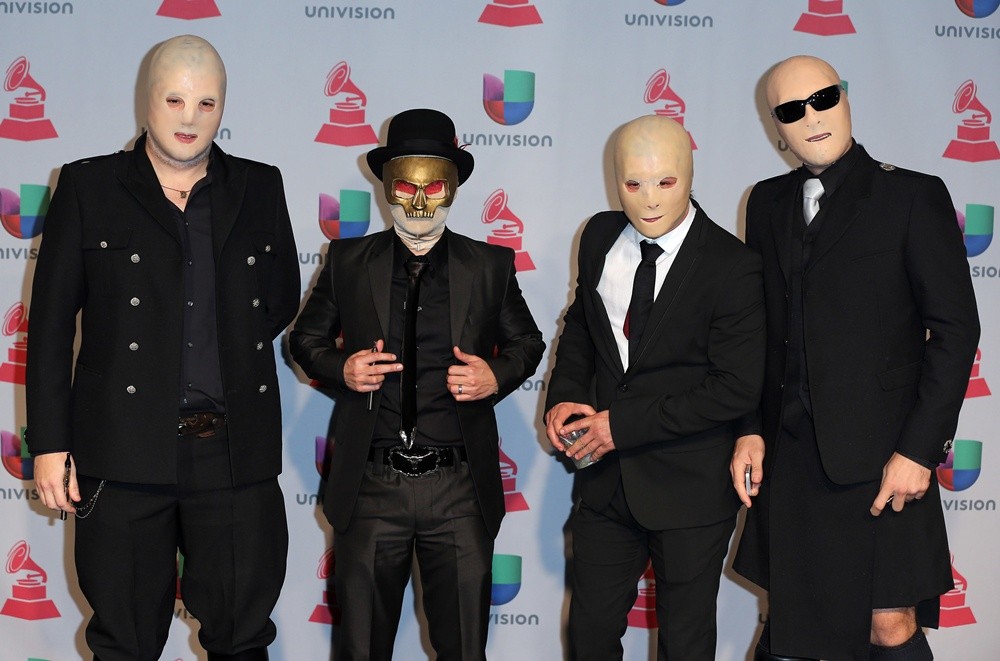
A Band of Bitches
The Latin Grammys 2013
Nov 21, 2013
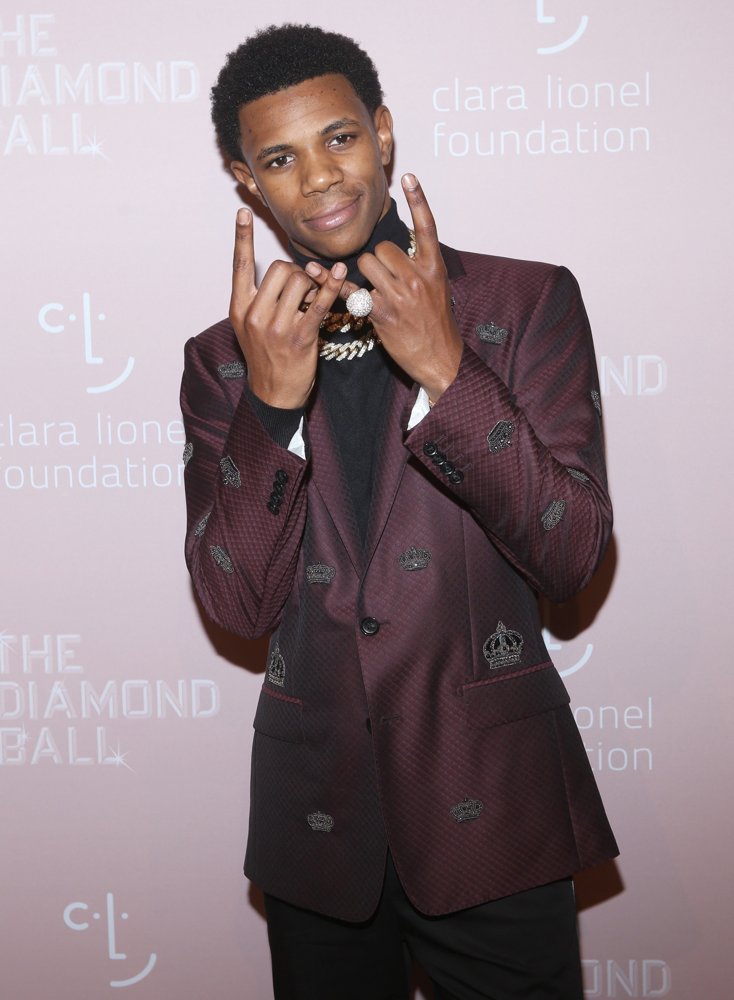
A Boogie Wit Da Hoodie
Rihanna's 4th Annual Diamond Ball
Sep 13, 2018

A Boogie Wit Da Hoodie
Lincoln Center Fashion Gala - An Evening Honoring Coach
Nov 29, 2018

A Boogie Wit Da Hoodie
STARZ Red Carpet Event for Power Final Season World Premiere
Aug 20, 2019

A Fine Frenzy
2014 Entertainment Weekly Pre-Emmy Party - Arrivals
Aug 23, 2014

A Fine Frenzy
2014 Entertainment Weekly Pre-Emmy Party - Arrivals
Aug 23, 2014




⭐Featured Celebrities