Haruki Kadokawa, born January 8, 1942, in Tokyo, is a Japanese entrepreneur and filmmaker who revolutionized the Japanese entertainment industry through his pioneering concept of the media mix. As the son of Genyoshi Kadokawa, the founder of the publishing giant Kadokawa Shoten, he inherited a legacy of literary influence but expanded it dramatically into film and television, creating a cross-platform promotional strategy that would become a blueprint for modern multimedia franchises. His career, marked by both extraordinary success and a dramatic downfall, remains a compelling chapter in Japanese pop culture history.
Kadokawa took over as president of Kadokawa Shoten in 1975 following his father's death. He quickly demonstrated a visionary approach by integrating the company's publishing arm with film production, a strategy he called the media mix. This involved scouting for new talent across publishing, film, and television, and using mass promotion to create synergies between books and their film adaptations. Under his leadership, Kadokawa Shoten produced a series of blockbuster films, most notably The Resurrection of the Golden Wolf (1979) and The Gate of Youth (1981), which were heavily promoted through the company's magazines and book sales. He also produced the internationally acclaimed The Great Yokai War (1968) and the cult classic The War of the Worlds: Next Century (1983), establishing himself as a major force in Japanese cinema. Kadokawa's media mix technique not only boosted book sales but also created a new model for cross-industry collaboration, influencing later multimedia franchises like those of Hayao Miyazaki and Studio Ghibli.
However, Kadokawa's career took a dramatic turn in 1993 when he was arrested for drug smuggling, specifically for importing cocaine into Japan. The scandal sent shockwaves through the entertainment industry and led to his resignation as president of Kadokawa Shoten. Following his conviction, he served a prison sentence, which effectively ended his tenure at the company his father founded. After his release, Kadokawa did not retreat from the public eye. Instead, he founded the Kadokawa Haruki Corporation, a new publishing and film production company, and continued to produce films, including the historical epic The Great War of Archimedes (2019). Despite his legal troubles, he remains a respected figure in Japanese cinema for his innovative marketing strategies and his role in shaping the modern entertainment landscape. Today, Kadokawa continues to work as a producer and entrepreneur, maintaining a presence in the industry while his legacy as a pioneer of the media mix endures.
⭐
Similar Celebrities






📷
Recent Photos

J.J. Abrams
World Premiere of Disney's A Wrinkle in Time
Feb 26, 2018

J.J. Abrams
World Premiere of Disney's A Wrinkle in Time
Feb 26, 2018

Agnes Monica
World Premiere of Disney's A Wrinkle in Time
Feb 26, 2018

Aisha Hinds
World Premiere of Disney's A Wrinkle in Time
Feb 26, 2018

Angela Bassett
World Premiere of Disney's A Wrinkle in Time
Feb 26, 2018
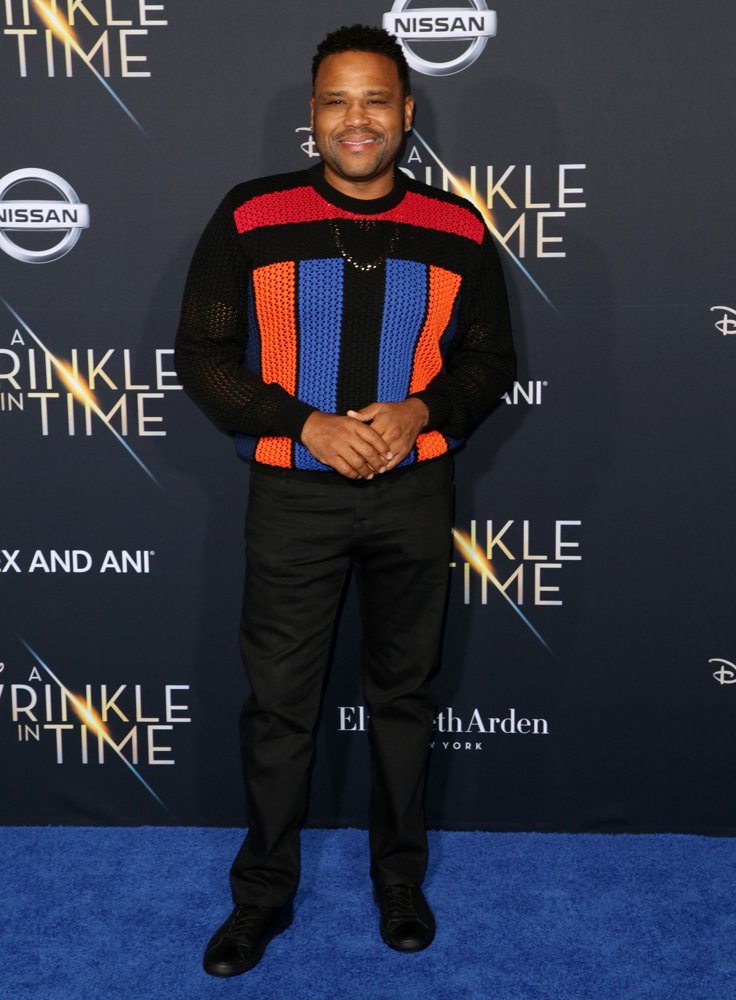
Anthony Anderson
World Premiere of Disney's A Wrinkle in Time
Feb 26, 2018





⭐Featured Celebrities