Gloria Laura Vanderbilt, born on February 20, 1924, in New York City, was a multifaceted American icon whose life spanned art, literature, fashion, and high society. As a member of the illustrious Vanderbilt family, she was thrust into the public eye at a tender age, becoming a symbol of both immense privilege and profound tragedy. Her legacy is defined not only by her famous surname but by her remarkable reinvention as an artist, author, and businesswoman who left an indelible mark on American culture.
Vanderbilt's early life was marred by a scandalous and highly publicized custody battle that captivated the nation. Following the death of her father, Reginald Claypoole Vanderbilt, when she was just a toddler, she became the center of a bitter dispute in 1934 between her mother, Gloria Morgan Vanderbilt, and her paternal aunt, Gertrude Vanderbilt Whitney, the renowned sculptor and founder of the Whitney Museum of American Art. Dubbed the "trial of the century," the seven-week court proceedings were sensationalized by the press, which painted the young heiress as the "poor little rich girl." The trial, which centered on the fitness of her mother and control over her substantial trust fund, ended with custody awarded to her aunt, and the experience would profoundly shape Vanderbilt's life and worldview.
After the trial, Vanderbilt was largely raised in the conservative environment provided by her aunt, a stark contrast to the glamorous and often chaotic life she had known with her mother. She attended private schools and eventually moved to New York City, where she began to forge her own path. In the 1950s, she pursued acting, appearing in several television productions and on the stage, though she found her true calling in the visual arts. As a painter, she exhibited her work in galleries across the country, earning critical praise for her abstract expressionist and later, more romantic, styles. She also channeled her creativity into writing, authoring several books, including a memoir, "A Woman of Fashion," and a well-received novel, "Never Say Good-Bye," alongside numerous works on art and design.
The most commercially successful chapter of Vanderbilt's career began in the 1970s when she leveraged her name and impeccable taste to launch a vast empire of licensed products. Her foray into fashion, particularly with the launch of her designer denim line for Gitano, made her a household name once again. The "Gloria Vanderbilt" jeans, which featured her signature and a flattering fit, became a cultural phenomenon and are credited with helping to establish the premium designer jean market. Her brand expanded to include perfumes, linens, and home goods, making her one of the most successful businesswomen of her era and a pioneer in the celebrity licensing business.
In her later years, Vanderbilt remained a fixture in New York's cultural and social scenes. She married four times, and her fourth husband, the celebrated author and screenwriter Truman Capote, was a lifelong confidant, though their relationship famously soured. She was also the mother of four sons, including the renowned CNN news anchor Anderson Cooper, with whom she co-wrote a touching memoir, "The Rainbow Comes and Goes," in 2016. Gloria Vanderbilt passed away on June 17, 2019, at the age of 95. Her life, from the "poor little rich girl" of the tabloids to a celebrated artist and business mogul, remains a testament to her resilience, creativity, and enduring influence on American style and culture.






📷
Recent Photos

Mandy Patinkin
Mandy Patinkin Honored with Star on The Hollywood Walk of Fame
Feb 12, 2018

Mandy Patinkin
Mandy Patinkin Honored with Star on The Hollywood Walk of Fame
Feb 12, 2018

Sutton Foster
Thoroughly Modern Millie Party - Arrivals
Feb 12, 2018

Sutton Foster
Thoroughly Modern Millie Party - Arrivals
Feb 12, 2018
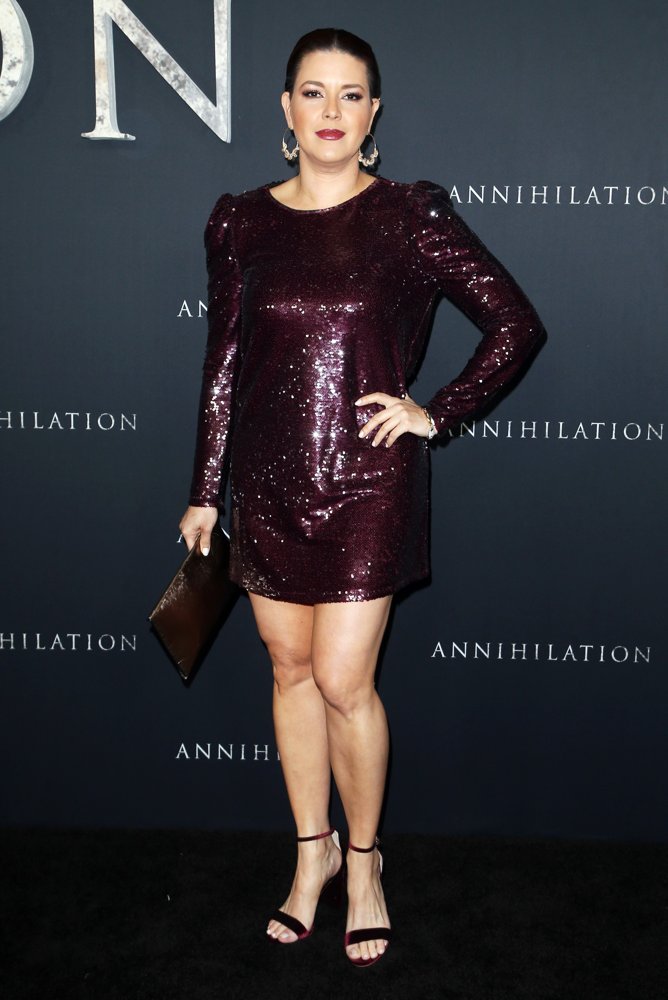
Alicia Machado
Annihilation Los Angeles Premiere
Feb 13, 2018

Cara Mund
Thoroughly Modern Millie Party - Arrivals
Feb 13, 2018





⭐Featured Celebrities