Florence Leontine Mary Welch, born on 28 August 1986, stands as one of the most distinctive and powerful voices in contemporary British music. As the lead vocalist and primary songwriter of the indie rock band Florence and the Machine, she has captivated audiences worldwide with her ethereal soprano, theatrical stage presence, and deeply poetic lyrics. Her artistic vision, which blends baroque pop, soul, and art rock, has not only defined a generation of alternative music but has also earned her critical acclaim and a devoted global following, cementing her status as a singular and influential figure in the modern musical landscape.
Growing up in Camberwell, London, Welch was immersed in a creatively rich environment from a young age. Her mother, an art history professor, and her father, an advertising executive, encouraged her artistic pursuits, though her path to music was not without its challenges. She attended Alleyn's School and later studied at Camberwell College of Arts, where her flamboyant and theatrical personality began to emerge. Her early performances were marked by a raw, untamed energy, and it was during this period that she began collaborating with musician and producer Isabella Summers, whose nickname "Isabella Machine" inspired the name of what would become Florence and the Machine. The duo's creative partnership proved to be the catalyst for Welch's meteoric rise, as they began crafting the lush, anthemic sound that would define their career.
The band's debut studio album, Lungs, released in 2009, was a seismic event in the music world. Propelled by the soaring single "Dog Days Are Over" and the haunting "Rabbit Heart (Raise It Up)," the album topped the UK Albums Chart and became a global phenomenon. Its fusion of indie rock with orchestral arrangements and Welch's operatic vocals earned widespread praise, and the record went on to win the Brit Award for Best British Album. This early triumph established Welch as a formidable talent, and her subsequent albums—Ceremonials (2011), How Big, How Blue, How Beautiful (2015), High as Hope (2018), and Dance Fever (2022)—all achieved remarkable chart success, solidifying her reputation as a consistent and visionary artist. Throughout her career, she has collaborated with a range of esteemed figures, including David Byrne, Kid Harpoon, and Paul Epworth, further expanding her creative horizons.
Beyond her recorded work, Welch has become renowned for her electrifying live performances, which often feature her barefoot and in flowing garments, delivering a visceral and almost shamanic experience to audiences. Her influence extends beyond music; in 2018, she released Useless Magic, a book that collects her lyrics and poems alongside her own illustrations, offering a rare and intimate glimpse into her creative process. Her work has also graced the world of film, with her music featured in major productions such as The Great Gatsby, for which she contributed the haunting track "Over the Love." Welch's legacy is one of fearless artistic expression and unflinching vulnerability, and she continues to be a vital and inspiring presence in the entertainment industry, constantly pushing the boundaries of her craft while remaining true to her uniquely enchanting artistic identity.
⭐
Similar Celebrities




📷
Recent Photos
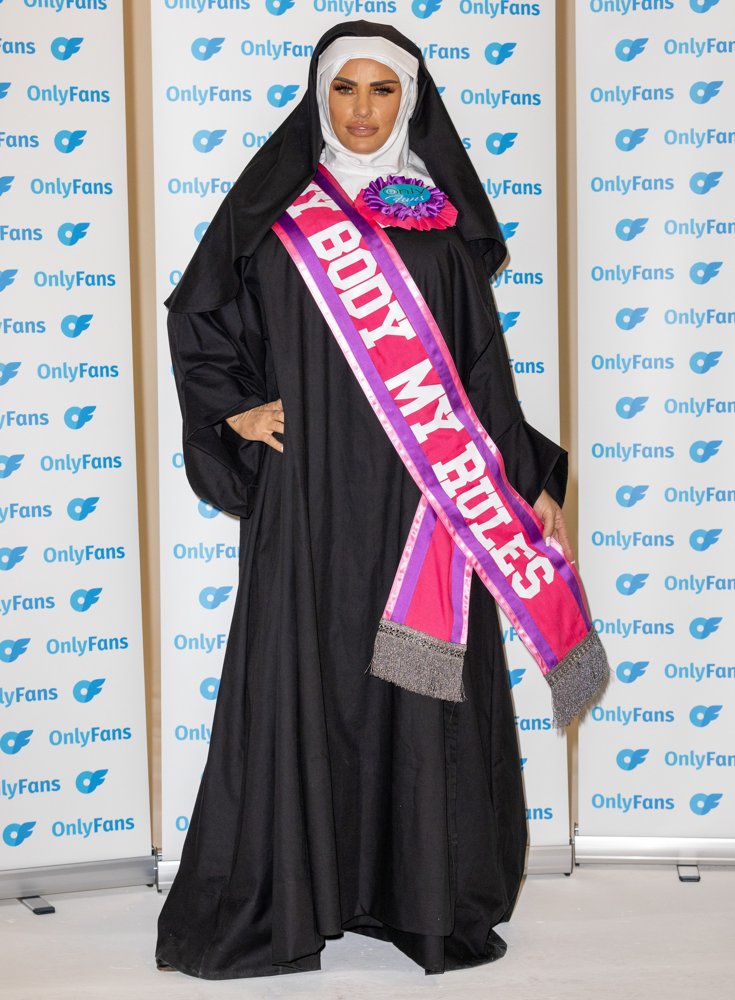
Katie Price
Katie Price Launches Only Fans Channel - Photocall
Jan 26, 2022
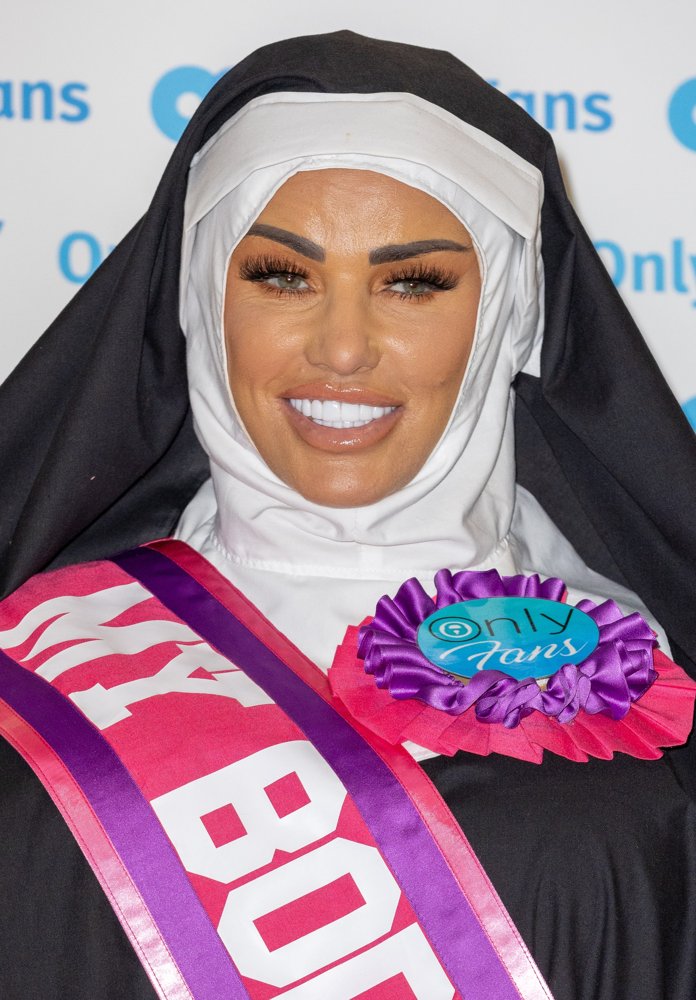
Katie Price
Katie Price Launches Only Fans Channel - Photocall
Jan 26, 2022
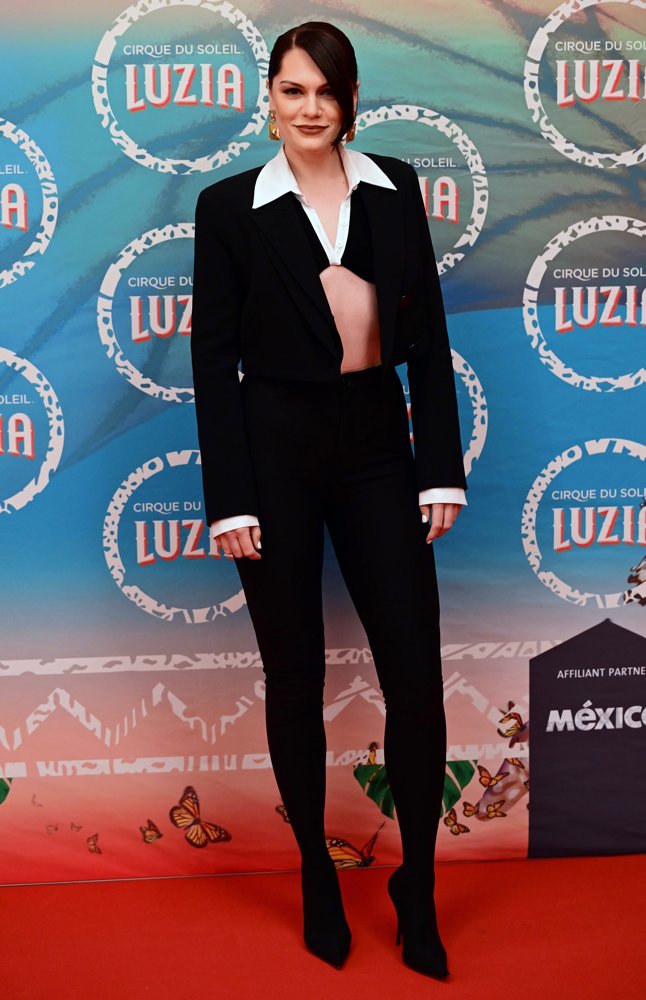
Jessie J
The Premiere of Cirque Du Soleil Luzia
Jan 13, 2022
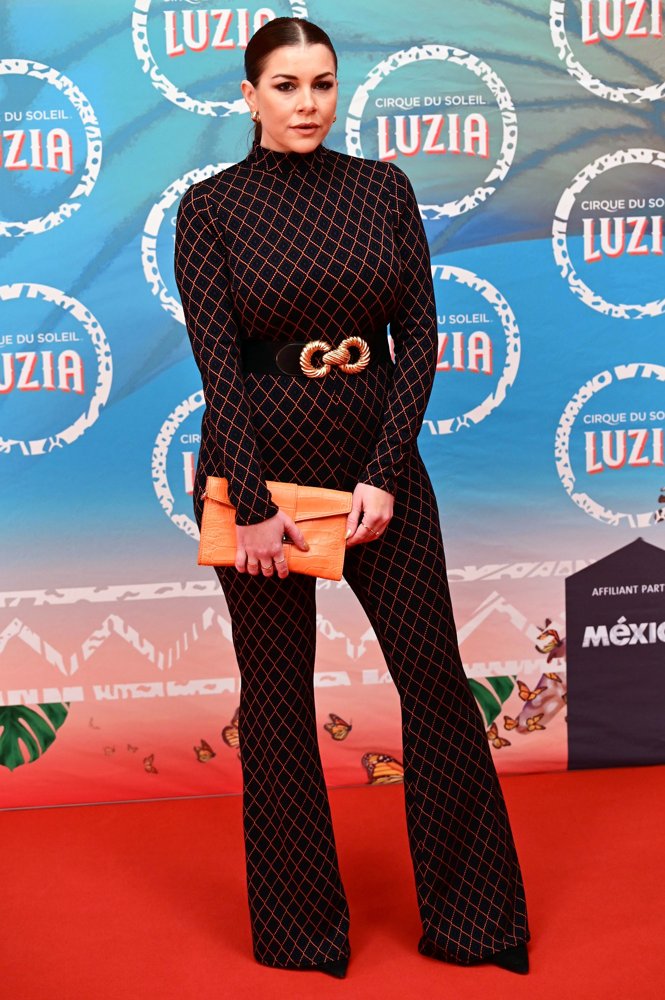
Imogen Thomas
The Premiere of Cirque Du Soleil Luzia
Jan 13, 2022
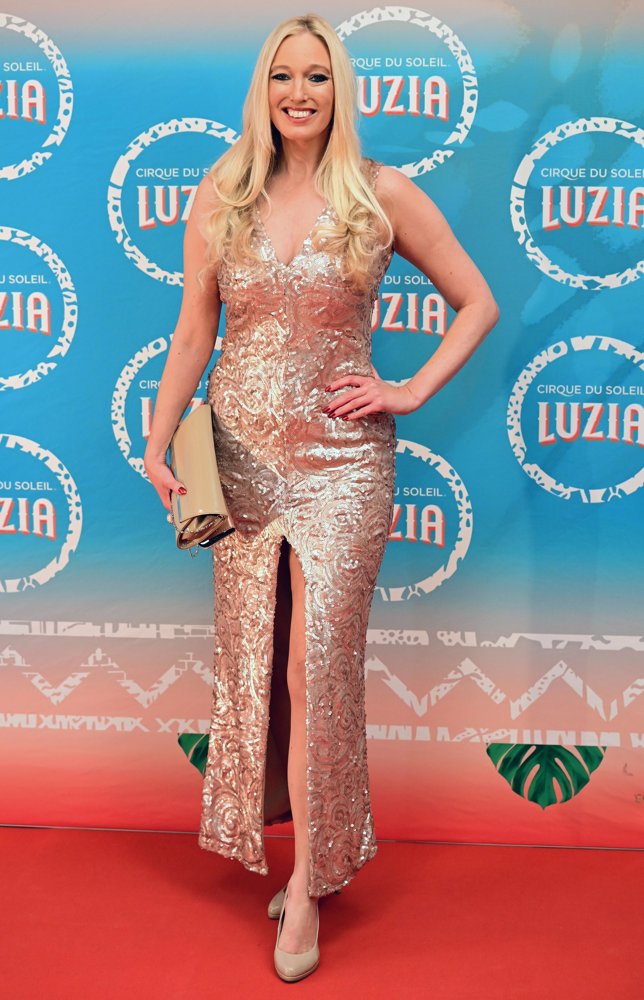
Hayley Palmer
The Premiere of Cirque Du Soleil Luzia
Jan 13, 2022

Phoenix Chi Gulzar
The Premiere of Cirque Du Soleil Luzia
Jan 13, 2022





⭐Featured Celebrities