Charles Robert Watts, born on June 2, 1941, in London, was the stoic heartbeat of the Rolling Stones for nearly six decades, a drummer whose impeccable timing and understated elegance made him one of the most revered musicians in rock history. While the band around him was defined by chaos and excess, Watts was the calm anchor, a jazz purist at heart who brought a swing and sophistication to the group's sound that became as essential as Mick Jagger's strut or Keith Richards's riffs. His passing on August 24, 2021, at the age of 80, marked the end of an era, but his legacy as a master musician and an icon of cool remains untouchable.
Before he ever picked up drumsticks, Watts was trained as a graphic artist, a discipline that would later inform his meticulous approach to the Rolling Stones' visual identity, from designing record sleeves to stage sets. His passion, however, lay in jazz, and he immersed himself in London's rhythm and blues scene, eventually joining Blues Incorporated, a pioneering band led by Alexis Korner. It was in those smoky clubs that he crossed paths with Jagger, Richards, and Brian Jones, and in January 1963, he made the pivotal decision to leave Blues Incorporated and become the drummer for the Rolling Stones. His first public appearance as a permanent member came that February, and from that moment, he provided the rock-solid foundation for the band's explosive rise to fame, a role he would hold for the next 58 years.
Watts's drumming style was a unique fusion of jazz finesse and rock power. Nicknamed "the Wembley Whammer" by Jagger, he drew heavily from jazz greats, giving songs like "Paint It Black" and "Honky Tonk Women" a nuanced drive that distinguished them from the work of their peers. He was the band's quiet backbone, rarely courting controversy and famously described as the man who kept the Rolling Stones rolling. His contributions extended beyond the kit; he was also the designer of several iconic record sleeves, blending his artistic training with his musical career seamlessly.
Outside of his work with the Stones, Watts pursued his first love, jazz, with considerable passion. He led his own ensemble, the Charlie Watts Quintet, and later the Charlie Watts Tentet, performing regularly at prestigious venues like Ronnie Scott's Jazz Club in London. These projects showcased a different side of his musicianship, allowing him to explore complex arrangements and improvisation away from the massive stadium rock of his day. His dedication to the craft earned him immense respect from fellow musicians and critics alike, cementing his status as more than just a rock drummer.
Over his illustrious career, Watts received numerous accolades, including induction into the Rock and Roll Hall of Fame in 1989 and the UK Music Hall of Fame in 2004, both as a member of the Rolling Stones. He is consistently ranked among the greatest drummers of all time, a testament to his influence and technical brilliance. Even as the band continued to tour and record into the 21st century, Watts remained a constant, his presence a reassuring symbol of stability and excellence. His death in 2021 was met with an outpouring of grief from the music world, with tributes pouring in from legends like Paul McCartney and Ringo Starr, all acknowledging the profound loss of a true giant. Charlie Watts was not merely a drummer; he was the soul of the Rolling Stones' rhythm, a gentleman of rock and roll whose artistry will echo for generations.
⭐
Similar Celebrities


📷
Recent Photos
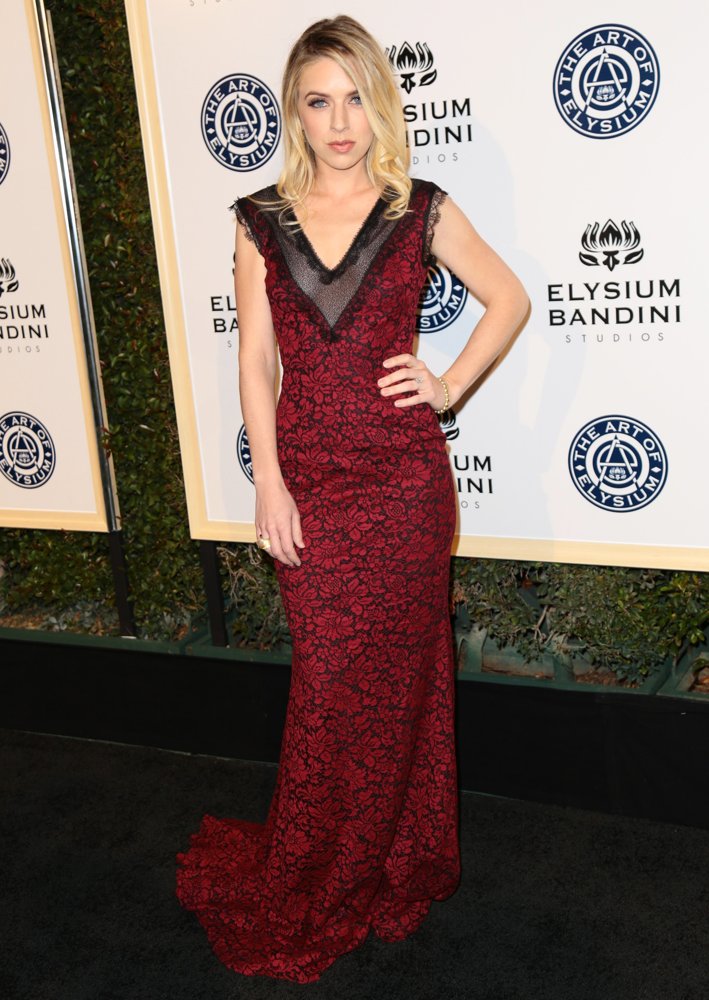
ZZ Ward
The Art of Elysium Presents Stevie Wonder's HEAVEN - Celebrating The 10th Anniversary
Jan 7, 2017

Esther Zynn
Nickelodeon's 2016 Kids' Choice Awards - Arrivals
Mar 12, 2016

Esther Zynn
Nickelodeon's 2016 Kids' Choice Awards - Arrivals
Mar 12, 2016
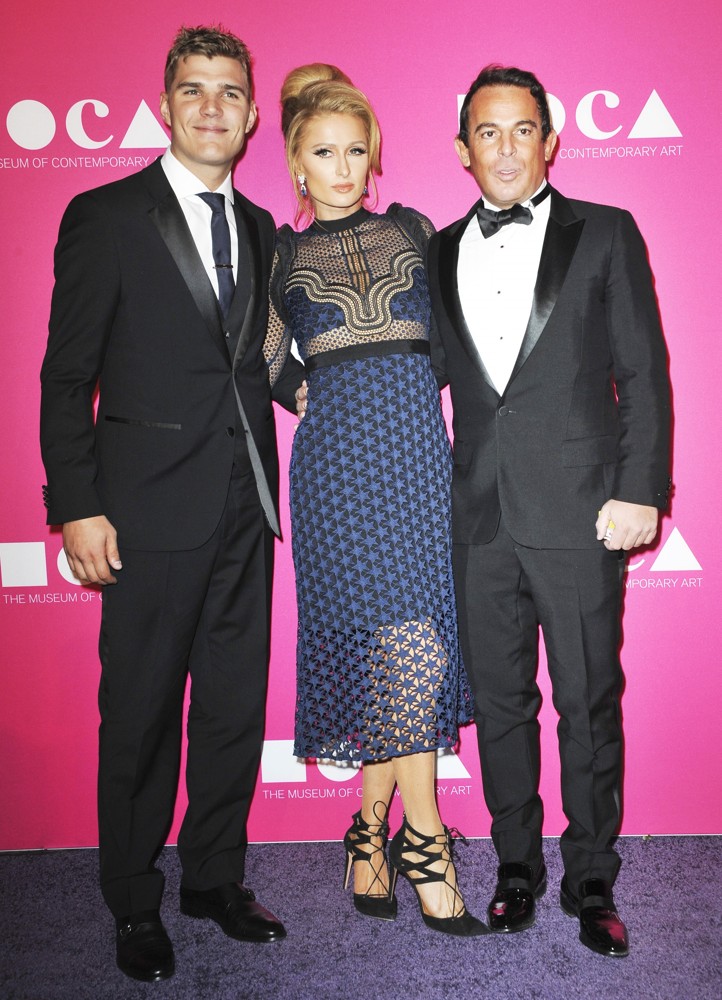
Chris Zylka
MOCA Gala 2017
Apr 29, 2017
Lucas Zwirner
21 Bridges Screening
Nov 19, 2019
Lucas Zwirner
The 72nd Annual Writers Guild Awards
Feb 1, 2020


⭐Featured Celebrities