Alexander Boris de Pfeffel Johnson, born on 19 June 1964, is one of the most consequential and divisive figures in modern British politics. Serving as Prime Minister of the United Kingdom and Leader of the Conservative Party from 2019 to 2022, his career has been defined by a remarkable ascent, a turbulent premiership, and a legacy marked by both fervent support and sharp criticism. Before reaching 10 Downing Street, Johnson held the offices of Foreign Secretary from 2016 to 2018 and Mayor of London from 2008 to 2016, establishing himself as a distinctive and polarizing force on the national stage.
Johnson’s formative years were steeped in the British establishment. He was educated at Eton College and Balliol College, Oxford, where he was elected president of the Oxford Union in 1986, a sign of the political ambition and rhetorical flair that would later come to define his public persona. Following his graduation, Johnson transitioned into journalism, beginning a career with The Daily Telegraph in 1989, where his often-controversial columns for the paper made him a prominent voice in British media. He later served as the editor of The Spectator from 1999 to 2005, a role that cemented his status as a leading figure in Conservative circles. His entry into frontline politics came in 2001 when he was elected Member of Parliament for Henley, and he quickly moved into the Shadow Cabinet under Michael Howard before being dismissed over a claim that he had lied about an extramarital affair. He was later reinstated to the Shadow Cabinet under David Cameron's leadership.
Johnson’s political career reached a new height in 2008 when he was elected Mayor of London, a position he held for eight years after winning re-election in 2012. During his tenure, he resigned from the House of Commons to focus on the mayoralty, and his time in office was marked by high-profile initiatives such as the introduction of the New Routemaster buses and the hosting of the 2012 Summer Olympics. He returned to Parliament in 2015 as the MP for Uxbridge and South Ruislip. A prominent figurehead of the Brexit campaign during the 2016 EU membership referendum, Johnson became a leading voice for leaving the European Union. After the referendum, Prime Minister Theresa May appointed him Foreign Secretary, but he resigned in 2018 in protest at the Chequers Agreement and her approach to Brexit, positioning himself as a champion of a cleaner break from the EU.
Johnson succeeded Theresa May as prime minister in July 2019 after winning the Conservative Party leadership election. His premiership was immediately defined by his promise to "get Brexit done." He re-opened negotiations with the EU, and after a controversial prorogation of Parliament that was later ruled unlawful by the Supreme Court, he called a snap general election in December 2019, which he won with a landslide majority. The UK officially left the EU in January 2020. His government’s response to the COVID-19 pandemic was a defining period of his leadership, introducing emergency powers and overseeing a nationwide vaccination programme that was among the fastest in the world. He also responded to the Russian invasion of Ukraine by imposing sanctions on Russia and authorising foreign aid and weapons shipments to Ukraine, earning praise as one of the first world leaders to offer significant support.
However, Johnson’s premiership was ultimately undone by a series of scandals, most notably the Partygate affair. Investigations found that numerous gatherings had been held at 10 Downing Street during national COVID-19 lockdowns, and Johnson himself was issued a fixed penalty notice in April 2022 for breaching COVID-19 social distancing laws. The publication of the Sue Gray report in May 2022 and widespread dissatisfaction led to a vote of confidence in his leadership, which he narrowly won. His downfall came in July 2022 following revelations over his appointment of Chris Pincher as Deputy Chief Whip while knowing of allegations of sexual misconduct against him, which triggered a mass resignation of members of his government and forced Johnson to announce his resignation as prime minister. He was succeeded by his foreign secretary, Liz Truss. Johnson remained in the Commons as a backbencher until June 2023, when he resigned his seat after receiving the draft of the Commons Privileges Committee investigation that unanimously found he had lied to the Commons on numerous occasions.
Johnson remains a deeply controversial figure in British political life. His supporters credit him with delivering Brexit, overseeing one of the world's fastest COVID-19 vaccination rollouts, and his decisive early support for Ukraine, while also praising his wit and electoral appeal that reached beyond traditional Conservative voters. Conversely, his critics consistently accuse him of dishonesty, elitism, cronyism, and bigotry. His legacy, a complex amalgam of significant political achievements and profound ethical failures, continues to shape debates about British governance and the public’s trust in its leaders.
⭐
Similar Celebrities

📷
Recent Photos
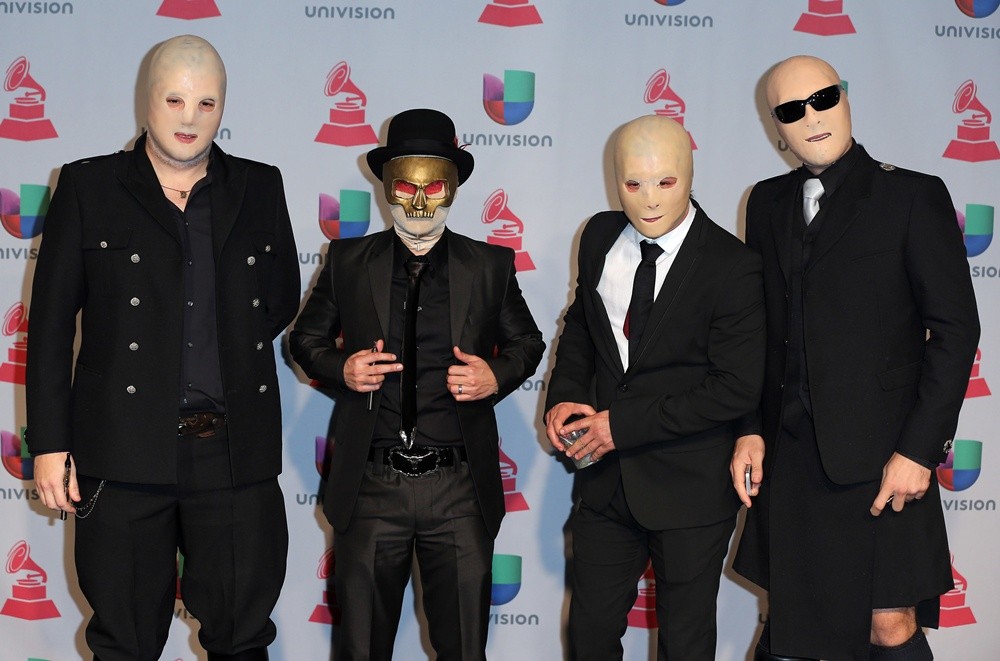
A Band of Bitches
The Latin Grammys 2013
Nov 21, 2013
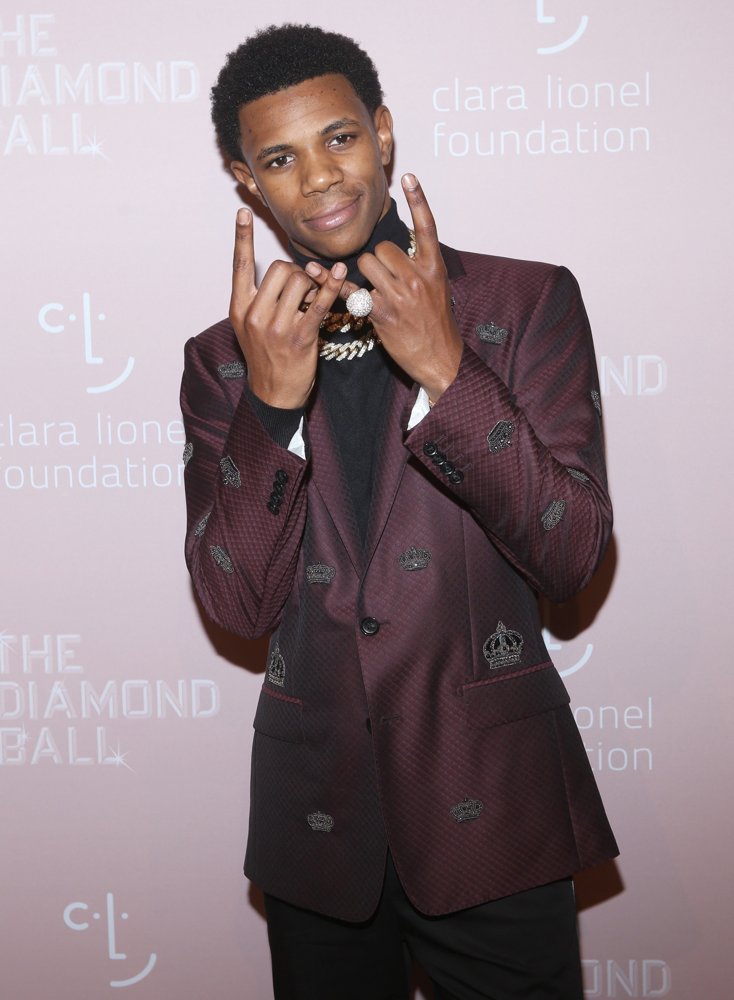
A Boogie Wit Da Hoodie
Rihanna's 4th Annual Diamond Ball
Sep 13, 2018

A Boogie Wit Da Hoodie
Lincoln Center Fashion Gala - An Evening Honoring Coach
Nov 29, 2018
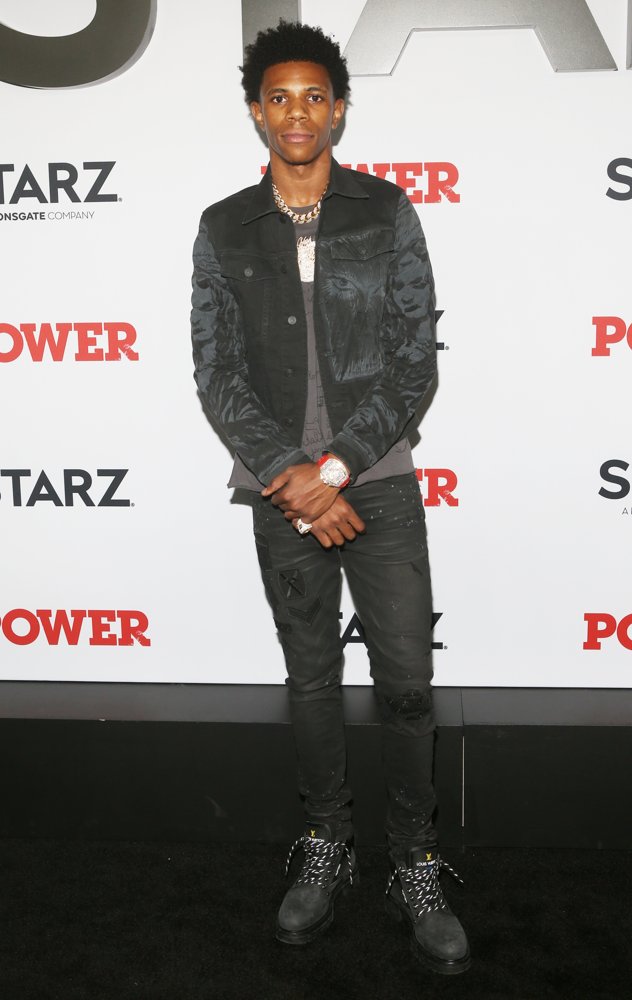
A Boogie Wit Da Hoodie
STARZ Red Carpet Event for Power Final Season World Premiere
Aug 20, 2019

A Fine Frenzy
2012 Environmental Media Awards - Arrivals
Sep 29, 2012

A Fine Frenzy
2012 Environmental Media Awards - Arrivals
Sep 29, 2012





⭐Featured Celebrities