Bernie Sanders stands as one of the most influential and distinctive figures in modern American politics, a self-described democratic socialist who has spent decades championing progressive causes and reshaping the national conversation around economic inequality. Born on September 8, 1941, in Brooklyn, New York, into a working-class Jewish family, Sanders developed an early awareness of social injustice that would define his entire career. He attended Brooklyn College before transferring to the University of Chicago, where he graduated in 1964. During his time as a student, he became deeply involved in the civil rights movement, organizing protests for the Congress of Racial Equality (CORE) and the Student Nonviolent Coordinating Committee (SNCC), experiences that cemented his lifelong commitment to activism.
After relocating to Vermont in 1968, Sanders spent the 1970s running unsuccessful third-party political campaigns, building a grassroots following that would eventually propel him to public office. In 1981, he was elected mayor of Burlington as an independent, a position he held for four terms, where he gained national attention for his unorthodox approach to governance and his focus on affordable housing, environmental protection, and community development. His political ascent continued in 1990 when he won election to the United States House of Representatives, representing Vermont's at-large congressional district. During his 16 years in the House, Sanders co-founded the Congressional Progressive Caucus in 1991 alongside five other members, establishing himself as a leading voice for progressive policy within the federal government.
In 2006, Sanders was elected to the United States Senate, becoming the first non-Republican to hold Vermont's Class 1 seat since 1850. He has been reelected in 2012, 2018, and 2024, and has served as chair of the Senate Veterans' Affairs Committee, the Senate Budget Committee, and the Senate Health, Education, Labor and Pensions Committee. As the senior senator and dean of the Vermont congressional delegation, Sanders has used his platform to advocate for universal healthcare, tuition-free public education, paid parental leave, a Green New Deal, and greater worker control over production through cooperatives and democratic public enterprises. His policy vision extends to foreign affairs, where he has consistently pushed for reduced military spending, increased diplomacy, and a greater emphasis on labor rights and environmental standards in international trade agreements.
Sanders captured the national spotlight with his 2016 and 2020 campaigns for the Democratic presidential nomination, finishing second both times. His 2016 campaign was particularly historic, generating unprecedented grassroots enthusiasm and funding from small-dollar donors while winning 23 primaries and caucuses. In 2020, he emerged as the early front-runner in a crowded Democratic field before ultimately becoming a close ally of Joe Biden after the primaries. Following Donald Trump's non-consecutive reelection in 2024, Sanders has emerged as a vocal opponent of what he describes as a right-wing oligarchy, organizing rallies against Trump and his allies, including Elon Musk, as part of a broader effort to reshape the Democratic Party. As the longest-serving independent in U.S. congressional history, Sanders has left an indelible mark on American politics, widely credited with driving a significant leftward shift within the Democratic Party and elevating issues like income inequality, healthcare access, and climate change to the forefront of national discourse.
⭐
Similar Celebrities


📷
Recent Photos

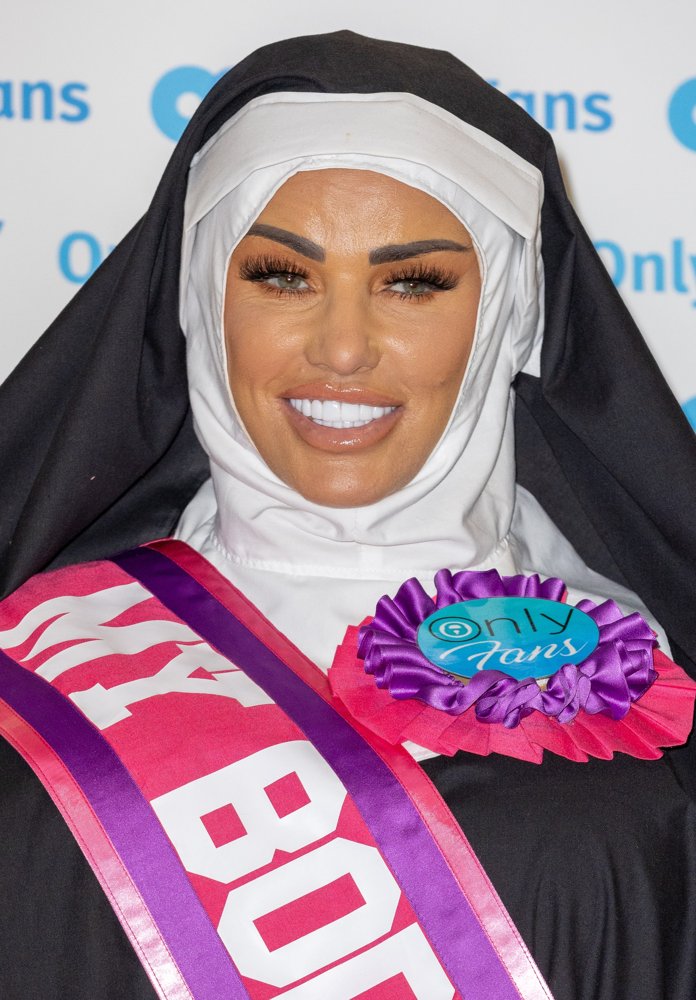
Katie Price
Katie Price Launches Only Fans Channel - Photocall
Jan 26, 2022
Katie Price
Katie Price Launches Only Fans Channel - Photocall
Jan 26, 2022
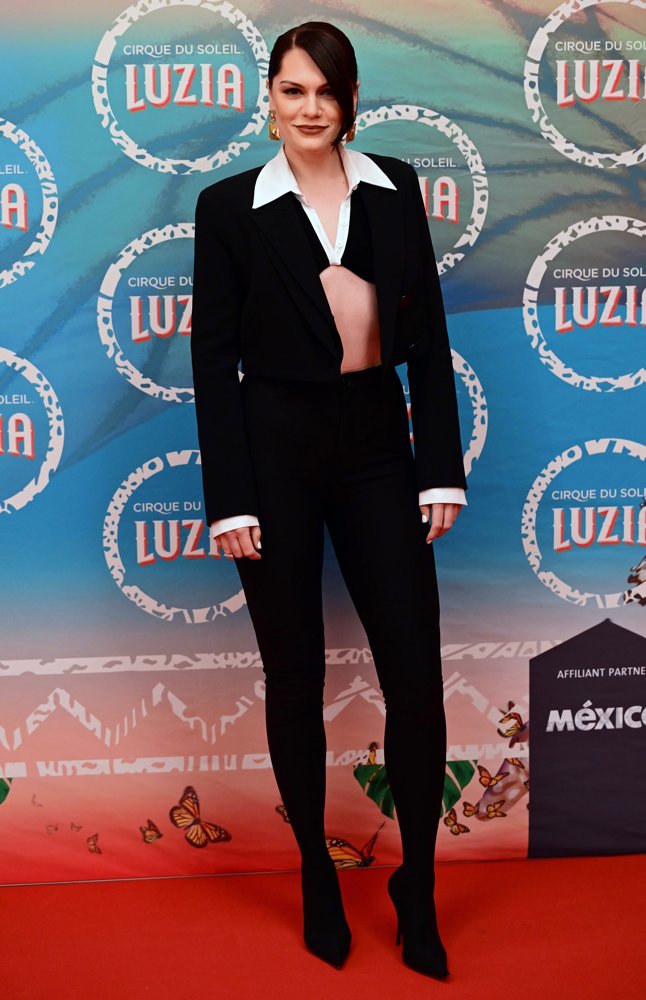
Jessie J
The Premiere of Cirque Du Soleil Luzia
Jan 13, 2022

Imogen Thomas
The Premiere of Cirque Du Soleil Luzia
Jan 13, 2022

Hayley Palmer
The Premiere of Cirque Du Soleil Luzia
Jan 13, 2022

Phoenix Chi Gulzar
The Premiere of Cirque Du Soleil Luzia
Jan 13, 2022




⭐Featured Celebrities