Bernard Lawrence Madoff, born on April 29, 1938, in Brooklyn, New York, and raised in the Queens neighborhood of Laurelton, remains one of the most infamous figures in American financial history. As an admitted financier and stockbroker, he masterminded the largest Ponzi scheme ever recorded, a fraud estimated at $65 billion in paper losses that devastated thousands of investors. Before his downfall, Madoff had achieved remarkable legitimacy, even serving as chairman of the Nasdaq stock exchange, a position that lent an aura of credibility to his deceptive practices. He founded his penny stock brokerage in 1960 after graduating from Hofstra University, and the firm, Bernard L. Madoff Investment Securities, grew to become the sixth-largest market maker in S&P 500 stocks by 2008, with Madoff serving as chairman until his arrest on December 11, 2008.
Madoff’s operation was built on a dual structure: a publicly visible stock brokerage and a deliberately obscure asset management business that served as the engine of his fraud. He cultivated an air of exclusivity around the latter, attracting wealthy clients, charities, and international investors through a network of feeder funds, all while fabricating returns that appeared consistently strong regardless of market conditions. His family was deeply embedded in the firm, with his brother Peter serving as senior managing director and chief compliance officer, Peter’s daughter Shana acting as rules and compliance officer, and his own sons, Mark and Andrew, working in various capacities. The facade collapsed on December 10, 2008, when Madoff confessed to his sons that the asset management unit was "one big lie," a massive Ponzi scheme. The following day, FBI agents arrested him and charged him with securities fraud, despite the U.S. Securities and Exchange Commission having conducted multiple investigations into his practices over the years without uncovering the truth.
On March 12, 2009, Madoff pleaded guilty to 11 federal felonies, admitting that he had turned his wealth management business into a fraudulent enterprise. He initially claimed the scheme began in the early 1990s, though a former trader later testified in court to faking records for him since the early 1970s, leading authorities to believe the investment operation may never have been legitimate. The scandal unraveled the lives of many, with direct investor losses estimated at $18 billion by the Securities Investor Protection Corporation trustee, of which roughly $14.8 billion was eventually recovered and returned. The personal toll on Madoff’s family was devastating: his son Mark hanged himself in 2010, exactly two years after his father’s arrest, while Andrew died of lymphoma in 2014. Peter Madoff was sentenced to 10 years in prison in 2012 for his role in the firm’s misconduct.
On June 29, 2009, Madoff was sentenced to 150 years in prison, the maximum penalty allowed, a sentence that reflected the magnitude of his crimes. He died on April 14, 2021, at the Federal Medical Center in Butner, North Carolina, from chronic kidney disease, at the age of 82. His legacy is one of profound betrayal and financial ruin, a cautionary tale about the dangers of unchecked trust and the failures of regulatory oversight. Madoff’s name has become synonymous with fraud, and his story continues to be studied as a stark reminder of how easily appearances can mask devastating deception.
⭐
Similar Celebrities


📷
Recent Photos
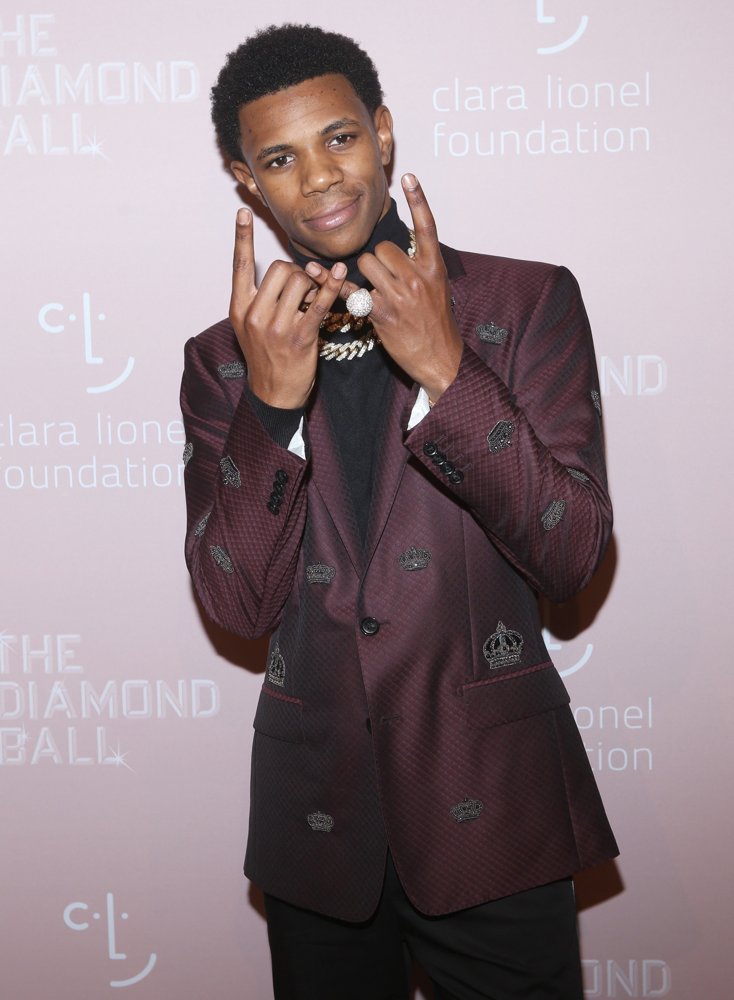
A Boogie Wit Da Hoodie
Rihanna's 4th Annual Diamond Ball
Sep 13, 2018
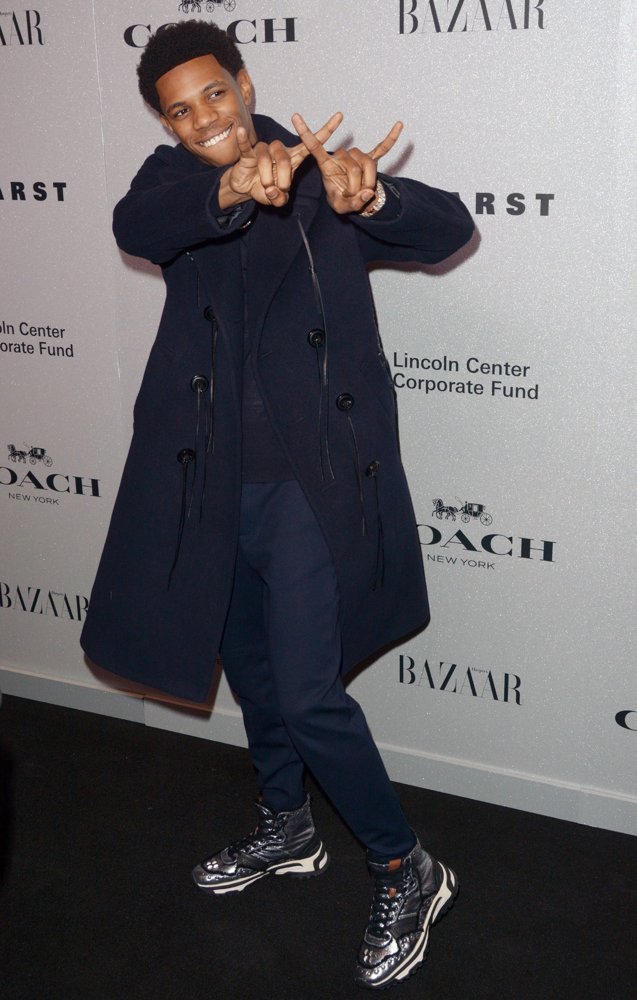
A Boogie Wit Da Hoodie
Lincoln Center Fashion Gala - An Evening Honoring Coach
Nov 29, 2018
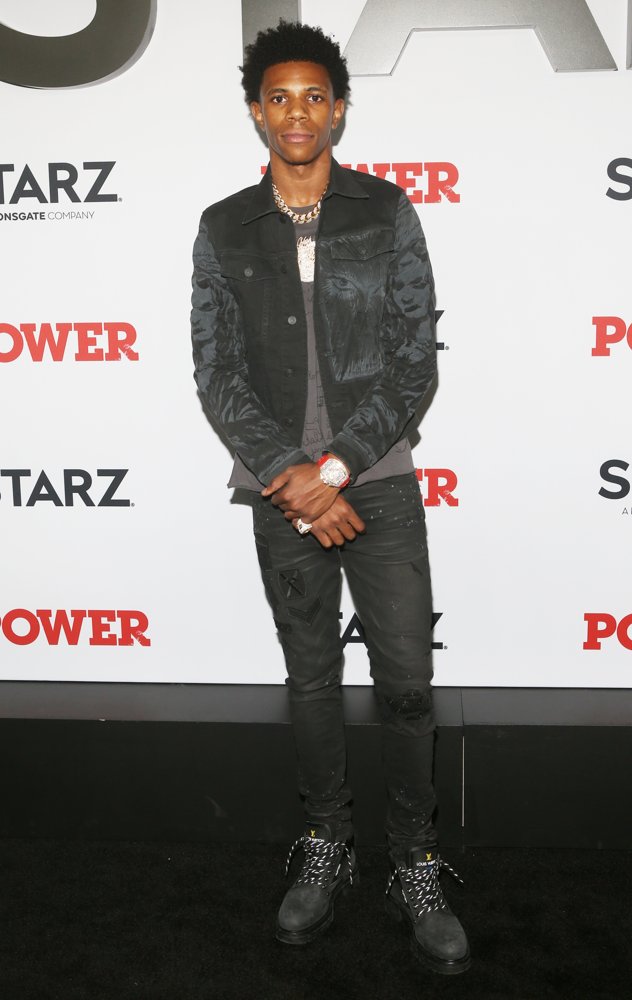
A Boogie Wit Da Hoodie
STARZ Red Carpet Event for Power Final Season World Premiere
Aug 20, 2019

A Fine Frenzy
The 24th Annual Screen Actors Guild Awards - Arrivals
Jan 21, 2018
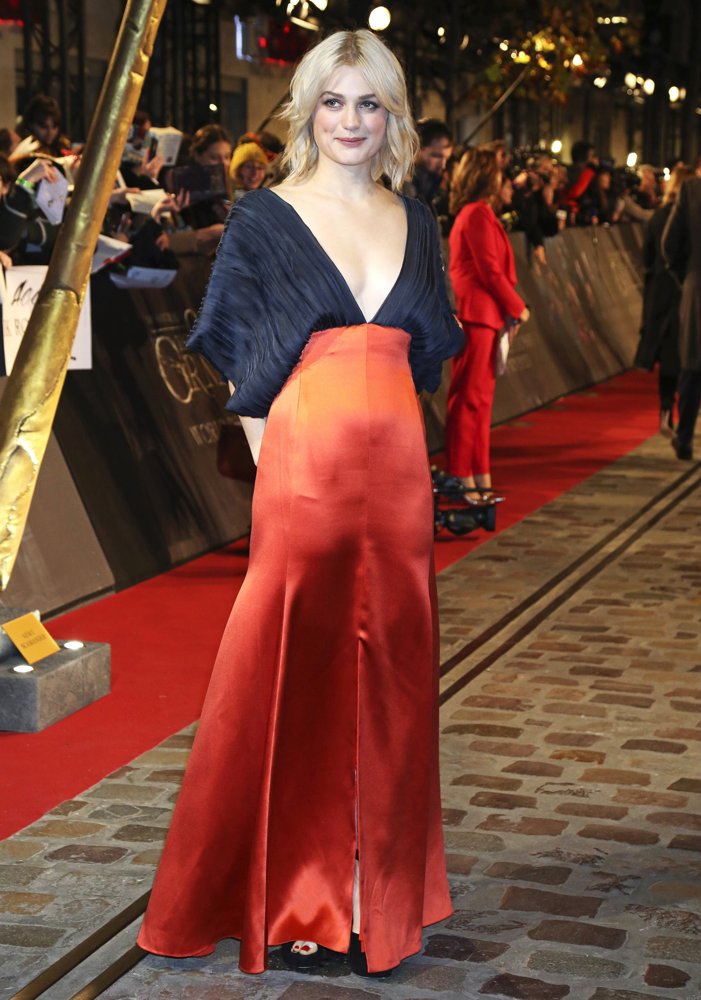
A Fine Frenzy
World Premiere of Fantastic Beasts: The Crimes of Grindelwald - Arrivals
Nov 8, 2018
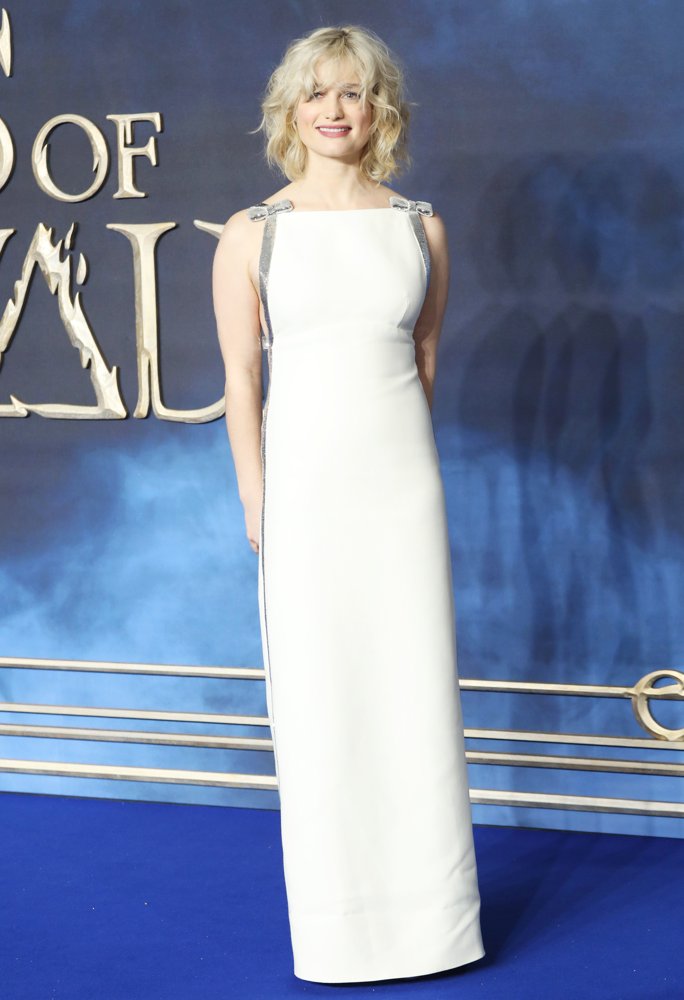
A Fine Frenzy
The UK Premiere of Fantastic Beasts: The Crimes of Grindelwald - Arrivals
Nov 13, 2018





⭐Featured Celebrities