Andrew Mark Cuomo, born on December 6, 1957, in Queens, New York, is a lawyer and politician whose career has been defined by extraordinary highs and a precipitous fall from grace. As the son of the late three-term governor Mario Cuomo, he was born into one of New York’s most prominent political dynasties. He earned his Bachelor of Arts from Fordham University and his Juris Doctor from Albany Law School, and his first foray into politics came as the campaign manager for his father’s successful 1982 gubernatorial bid. After a stint in private practice, he chaired the New York City Homeless Commission from 1990 to 1993, before being tapped by President Bill Clinton to serve in the United States Department of Housing and Urban Development, first as assistant secretary and later as secretary from 1997 to 2001.
Cuomo’s political ambitions were initially checked when he lost the Democratic primary in the 2002 New York gubernatorial election, but he rebounded by winning the office of New York Attorney General in 2006. In that role, he built a reputation as a corruption-fighting crusader, particularly against public-employee pension funds. He leveraged that profile to win the governorship in 2010 with more than sixty percent of the vote, and was re-elected in 2014 and 2018. As the 56th governor of New York, he signed landmark legislation legalizing same-sex marriage and the recreational use of cannabis, enacted the NY SAFE Act, one of the strictest gun control laws in the nation, and oversaw major infrastructure projects including the Second Avenue Subway, the Moynihan Train Hall, the reconstruction of the Tappan Zee Bridge and LaGuardia Airport, and the decommissioning of the Indian Point nuclear plant. His tenure also saw a 2011 tax law that raised levies on the wealthy while cutting them for the middle class, a twelve-week paid family leave policy, a gradual increase of the minimum wage to fifteen dollars per hour, and the expansion of Medicaid under the Affordable Care Act.
Cuomo’s governorship reached its zenith during the early months of the COVID-19 pandemic, when his daily briefings earned national praise and positioned him as a foil to the federal response. That reputation was quickly tarnished, however, by a controversial March 2020 directive that required nursing homes to admit patients from hospitals without testing them for the virus, a decision widely blamed for a devastating number of deaths. A January 2021 report from state Attorney General Letitia James revealed that the administration had undercounted nursing home fatalities by as much as fifty percent, and the U.S. Department of Justice later opened an investigation into his testimony regarding a report used to counter criticism of his pandemic handling. Simultaneously, beginning in late 2020, a wave of allegations of sexual misconduct emerged against him. In August 2021, an independent investigation commissioned by James concluded that Cuomo had sexually harassed at least eleven women between 2013 and 2020 and had retaliated against some of his accusers. Facing an impeachment inquiry and mounting pressure from figures including President Joe Biden, he resigned on August 23, 2021. Although several district attorney offices closed their criminal investigations without filing charges, and a misdemeanor charge in Albany County was dropped in 2022, the scandal permanently altered his public standing.
In 2025, Cuomo mounted a political comeback by entering the New York City mayoral race. He led in most Democratic primary polls, but suffered a stunning upset at the hands of Zohran Mamdani. Refusing to concede the fight, he continued his campaign as an independent, only to lose to Mamdani again in the general election. His trajectory from a celebrated crisis leader to a figure of scandal and a defeated also-ran marks one of the most dramatic reversals in modern American politics, cementing his place as a complex and consequential figure whose legacy remains deeply contested.
⭐
Similar Celebrities



📷
Recent Photos
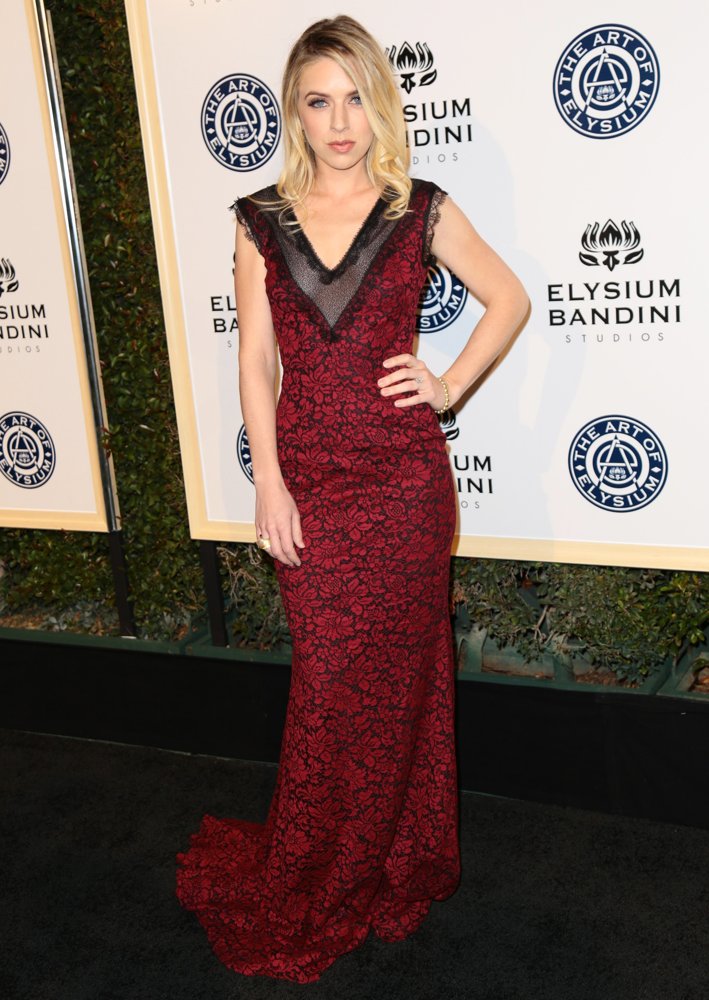
ZZ Ward
The Art of Elysium Presents Stevie Wonder's HEAVEN - Celebrating The 10th Anniversary
Jan 7, 2017

Esther Zynn
Nickelodeon's 2016 Kids' Choice Awards - Arrivals
Mar 12, 2016

Esther Zynn
Nickelodeon's 2016 Kids' Choice Awards - Arrivals
Mar 12, 2016
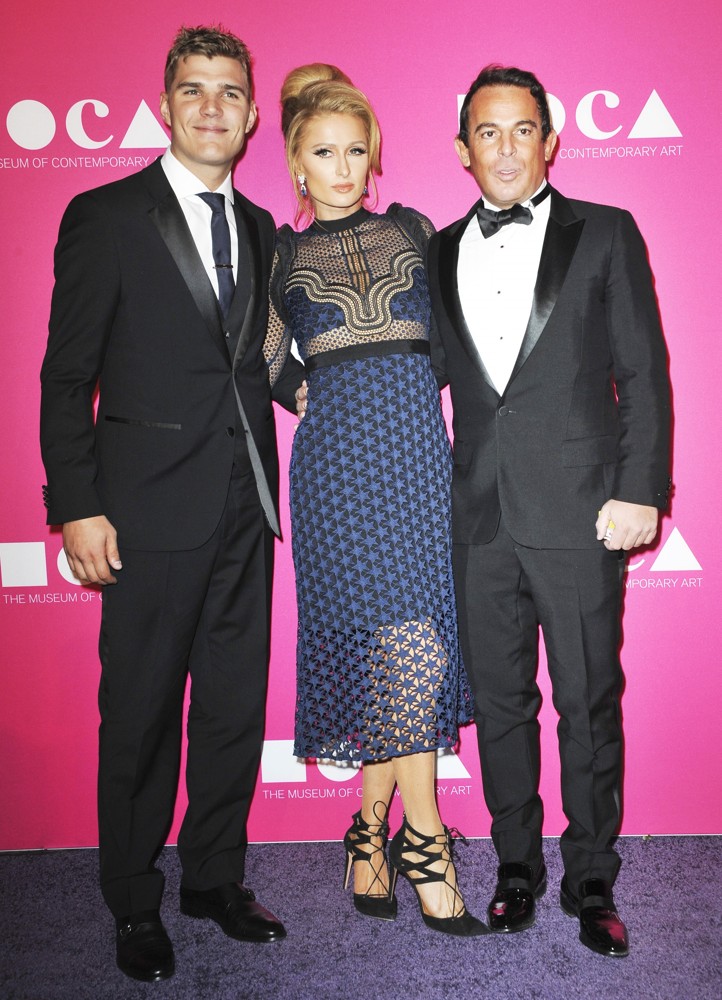
Chris Zylka
MOCA Gala 2017
Apr 29, 2017
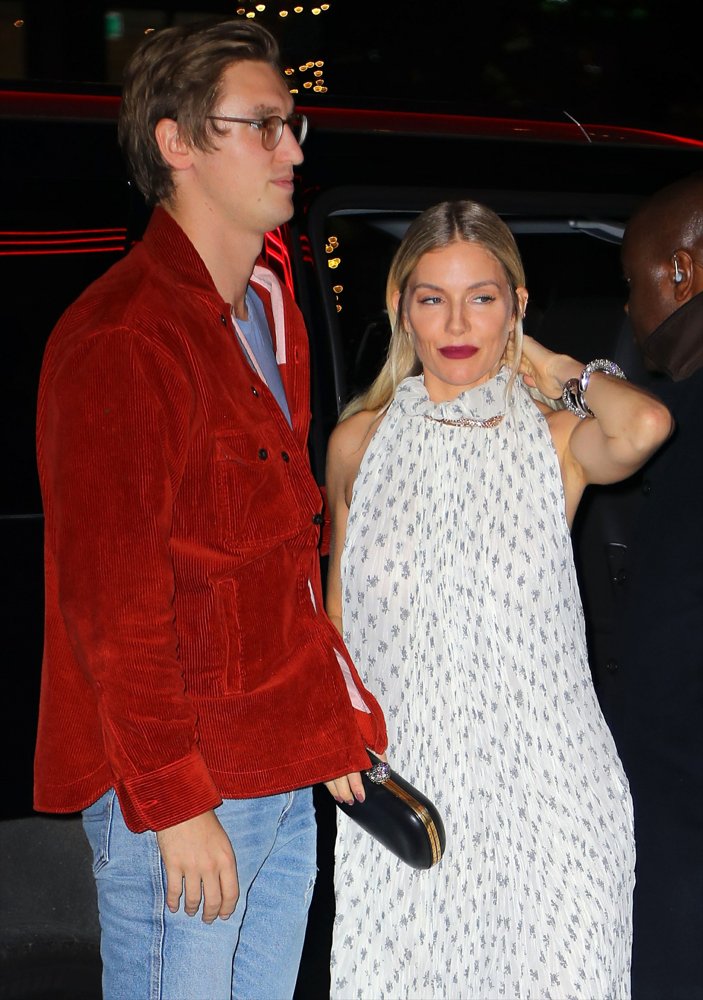
Lucas Zwirner
21 Bridges Screening
Nov 19, 2019
Lucas Zwirner
The 72nd Annual Writers Guild Awards
Feb 1, 2020



⭐Featured Celebrities