Tired of feeling hungry an hour after eating? These plant based protein sources actually satisfy—plus how to combine them for complete protein.
- October 3, 2026
AceShowbiz - You eat a big bowl of salad, feel virtuous for about ninety minutes, and then find yourself standing in front of the fridge again, hunting for something real. Sound familiar? That's usually not a willpower problem. It's a protein problem. Most people who try to eat more plants accidentally drop their protein intake by 30 to 40 percent without realizing it, because the foods they swapped in—lettuce, fruit, rice, oats—are mostly carbohydrate and water.
The good news: plant protein is everywhere once you know where to look, and gram for gram, some of it rivals a chicken breast. The trick is knowing which sources pull their weight, how to combine them so your body can actually use them, and how to build meals that leave you full instead of foraging an hour later.
Why Protein Matters More Than You Think on a Plant-Based Diet
Protein does three jobs that matter for how you feel day to day. It repairs muscle after workouts, it keeps your immune system stocked with the amino acids it needs, and—most underrated—it slows digestion so meals actually stick with you. That last one is why a 20-gram protein breakfast keeps you full until lunch while a bagel does not.
Here's the catch that trips people up. Plant proteins are digested a little differently than animal proteins. Many plant sources are lower in one or more of the nine essential amino acids your body can't make on its own, and they come packaged with fiber and compounds that can slightly reduce how much protein you absorb. Research suggests you may need roughly 10 to 20 percent more total protein from plant sources to get the same effect as animal protein.
That sounds like a downside, but it's really just a math problem with an easy fix. If you're aiming for 100 grams of protein a day from plants, target closer to 110 to 120 grams and you're covered. For most adults, that means roughly 1.2 to 1.6 grams of protein per kilogram of body weight if you're active—about 80 to 110 grams for a 150-pound person.
Practical takeaway: Don't count protein at the end of the day. Anchor each meal with a protein source first, then build the rest of the plate around it. It's a five-second habit that changes everything.
The Heavy Hitters: Plant Foods With the Most Protein Per Serving
Some plants are genuinely protein-dense, and these should be the backbone of your meals rather than an afterthought. Here's what actually delivers, measured in grams per typical serving:
- Seitan (wheat gluten): 25 grams per 3.5 ounces. It's the highest-protein plant food most people have never cooked with.
- Tempeh: 20 grams per 3.5 ounces, plus probiotics from fermentation and a firm texture that holds up on a grill.
- Lentils: 18 grams per cooked cup, and about 16 grams of fiber to go with it.
- Edamame: 18 grams per cup, shelled. Frozen bags make this a two-minute snack.
- Firm tofu: 15 to 20 grams per half block, depending on how hard it's pressed.
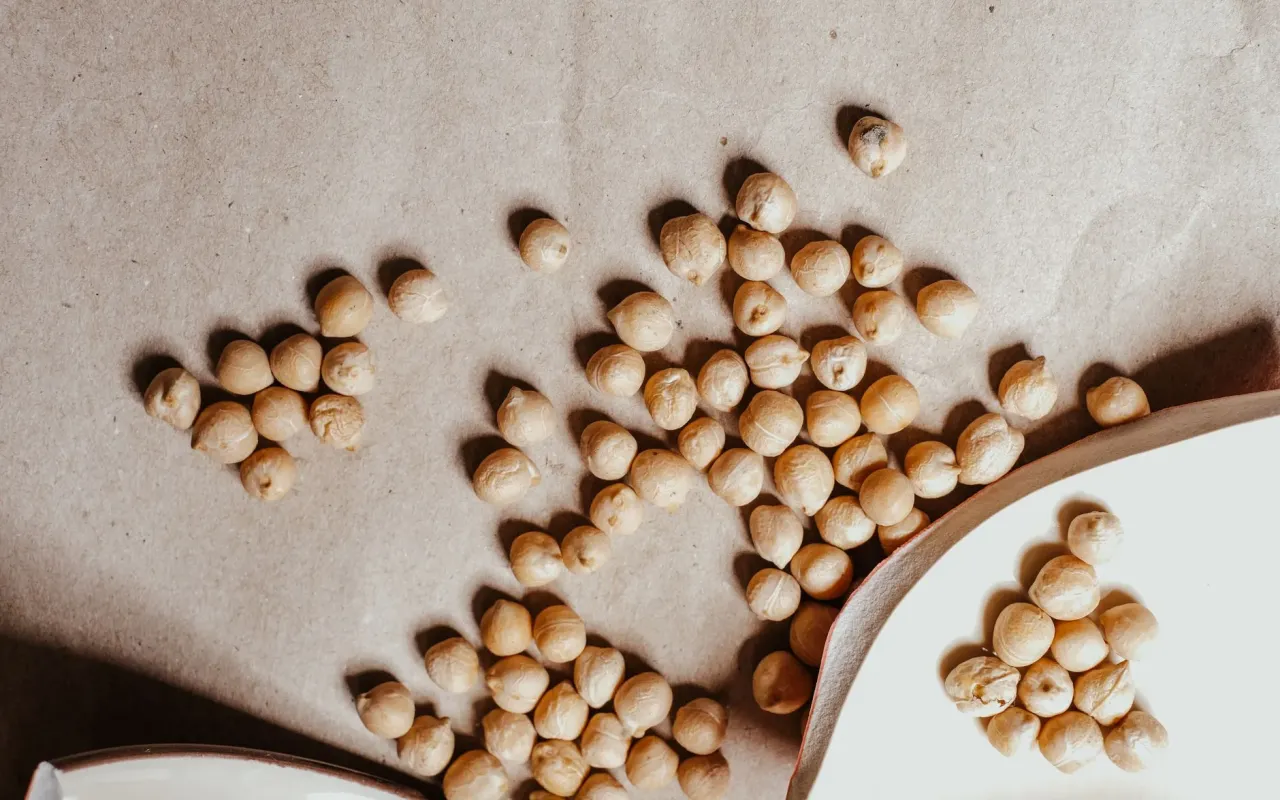
- Chickpeas: 15 grams per cooked cup, with a texture that works in everything from curry to salad.
- Hemp seeds: 10 grams per 3 tablespoons, no cooking required.
- Greek-style soy yogurt: 10 to 15 grams per cup, one of the easiest breakfast upgrades.
Notice what's not on that list: quinoa, peanut butter, and black beans all show up in every listicle, but at 8, 7, and 15 grams respectively, they're solid supporting players rather than stars. That's fine—you just need to know which role each food is playing.
One more thing worth knowing: soy gets a bad reputation it doesn't deserve. Decades of research have found no convincing link between moderate soy intake and thyroid problems or hormone disruption in healthy adults. For most people, tofu and tempeh are among the best plant proteins available, full stop.
Practical takeaway: Buy one high-protein anchor food you've never tried this week—tempeh or seitan are the best candidates—and use it in a meal you already cook. Familiar recipe, new ingredient.
Do You Really Need to Combine Proteins at Every Meal?
You've probably heard the rule: rice and beans, hummus and pita, peanut butter and toast—always pair your plants or the protein doesn't count. That advice came from research in the 1970s and it's been oversimplified ever since.
Your body maintains a pool of amino acids and pulls from it throughout the day, so you don't need every essential amino acid at every single meal. What matters is that you get all nine across the course of a day. Eat beans at lunch and rice at dinner and you're fine. The old "complementary protein" rule was about individual meals, and it's largely outdated for healthy adults.
That said, there's a practical reason the classic pairings exist: they taste good and they work. Rice and beans, lentils and flatbread, corn tortillas and black beans—these combinations have fed entire cultures for centuries because they're satisfying and complete. Following them is smart, just not mandatory.
Where combining does matter more is if you're eating very few calories, training hard, or you're over 65, when muscle protein synthesis becomes less efficient. In those cases, getting a fuller amino acid profile at each meal is worth the small effort.
Practical takeaway: Stop stressing about every meal. Aim for variety across the day—a legume at lunch, a grain and a seed at dinner—and you've solved it.
Building Meals That Actually Keep You Full
Protein alone doesn't guarantee satisfaction. A protein shake at 8 a.m. can leave you starving by 10 if it's just powder and water. What keeps you full is protein plus fiber plus fat, in a form that takes time to eat.
Compare two breakfasts. Option one: a smoothie with plant protein powder, banana, and almond milk—about 25 grams of protein, almost no fat, and you drink it in four minutes. Option two: a bowl of soy yogurt with hemp seeds, berries, and a spoon of tahini—22 grams of protein, 12 grams of fiber, healthy fats, and it takes fifteen minutes to eat. The second one will hold you until lunch almost every time, even with slightly less protein.
Volume matters too. Plant foods are naturally water-rich and bulky, which is a feature, not a bug. A big bowl of lentil soup with a slice of whole-grain bread feels like a real meal in a way that a small dense portion of chicken never quite does.
Watch out for the "health food trap" as well. Veggie burgers, plant-based cheeses, and protein cookies often have 8 to 12 grams of protein and a long ingredient list, but they're engineered to be soft and fast to eat. They're fine occasionally, but they won't do the job of a bowl of tempeh and vegetables.
Practical takeaway: Build every meal with three things—a protein anchor, a fiber source, and a fat source. Lentils, roasted vegetables, and olive oil. Tofu, brown rice, and sesame. It's a formula that works with anything in your kitchen.
Cheap, Fast, and Real: A Week of Plant Protein in Practice
The biggest complaint about plant protein is that it's expensive or takes forever. Neither is true if you shop and cook with a little intention. Dried lentils cost about a dollar a pound and cook in twenty minutes with no soaking. A block of tofu is two to three dollars and feeds two people. Canned chickpeas are under a dollar and need zero cooking.
Compare that to a pound of grass-fed beef at eight to twelve dollars, and plant protein wins on cost by a wide margin. The expensive items are the processed substitutes—the frozen patties and the powdered proteins—not the whole foods.
Here's a realistic week that hits 90 to 110 grams of protein a day without anyone thinking about it:
- Breakfasts: Soy yogurt with hemp seeds and fruit, or oatmeal with peanut butter and a scoop of protein powder stirred in.
- Lunches: Lentil soup with whole-grain bread, or a chickpea and quinoa bowl with tahini dressing.
- Dinners: Tempeh stir-fry with rice, black bean tacos with avocado, or a big tofu and vegetable curry.
- Snacks: Edamame straight from the freezer, roasted chickpeas, or a handful of almonds with an apple.
Batch cooking makes this sustainable. Cook a pot of lentils and a pot of rice on Sunday, press and cube a block of tofu, and you've got the base of four meals ready to go. Twenty minutes of prep on Sunday saves you from ordering takeout three nights in a row.
Practical takeaway: Keep three things stocked at all times—canned beans, frozen edamame, and a block of tofu or tempeh. With those in the house, you're never more than fifteen minutes from a high-protein meal.
What to Watch Out For (and What Not to Worry About)
A few nutrients deserve attention when you lean on plants for protein. Iron from plants is absorbed less efficiently than from meat, so pair iron-rich foods like lentils and spinach with vitamin C—a squeeze of lemon or some bell pepper does the trick. Vitamin B12 is the one nutrient you genuinely can't get from unfortified plants, so a supplement or fortified foods are worth taking seriously. Zinc and omega-3s from algae sources are worth a look too.
What you don't need to worry about: getting "enough" protein from plants if you're eating a varied diet with legumes at most meals. The average American eats far more protein than they need, and the same is true for most people eating plant-based once they stop treating vegetables as the main event.
Also don't stress about antinutrients like phytates and lectins. They slightly reduce mineral absorption, but they also come with real benefits, and normal cooking—soaking, boiling, fermenting—handles most of the concern. People have thrived on beans and grains for thousands of years.
If you have a thyroid condition, kidney disease, or you're pregnant, talk to your doctor before making a big shift. For everyone else, the transition is mostly about learning a handful of new ingredients and trusting that your body will tell you within a week whether you're eating enough.
The honest truth is that plant protein isn't complicated. It's lentils, beans, tofu, tempeh, and a few seeds, eaten often and in decent portions. Get that right and you'll stop thinking about protein entirely—which is exactly the point.