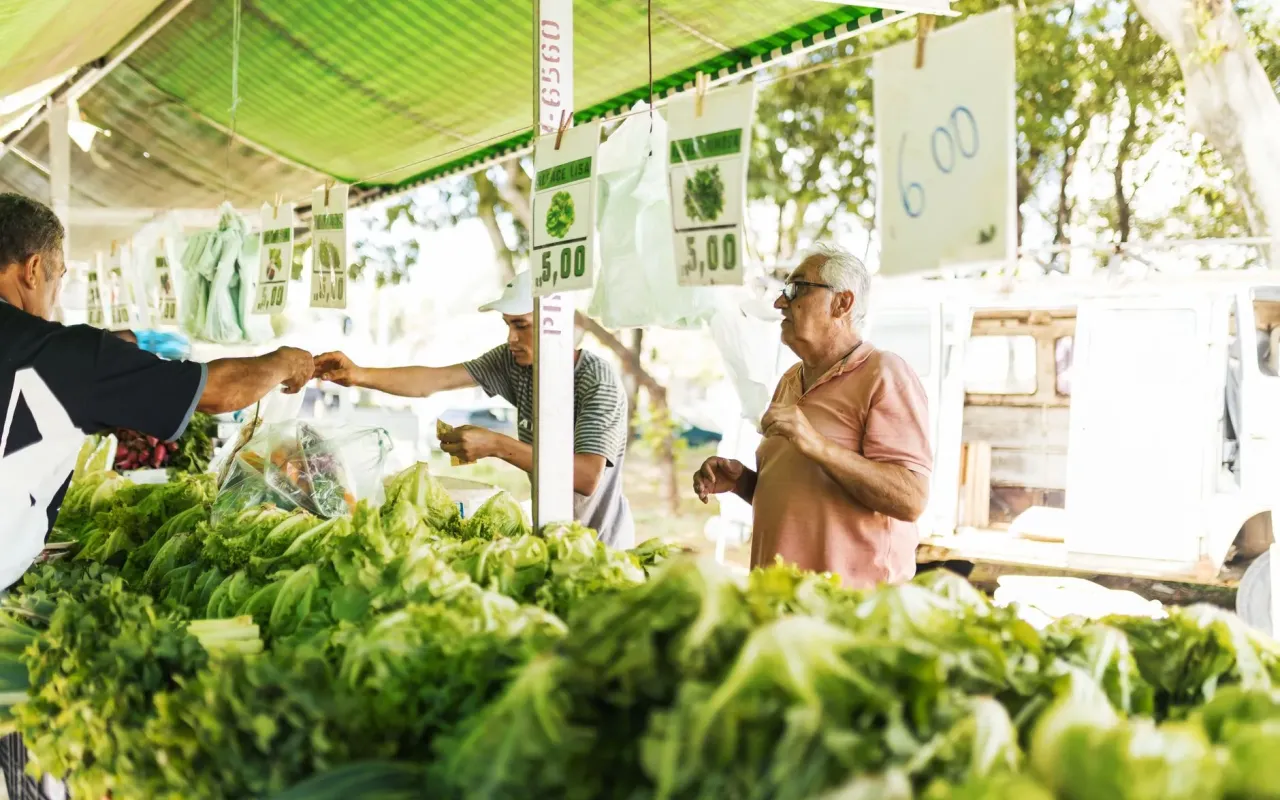
Learn how to negotiate prices at markets abroad with confidence. Real scripts, cultural tips, and the walk-away move that actually works.
- September 24, 2026
AceShowbiz - You spot a handwoven scarf in a Marrakech souk. The vendor says 400 dirhams. You know that's roughly double what it's worth, but you freeze. Do you offer half? Do you walk away? Do you just pay and feel like a sucker for the rest of the trip? Most travelers land somewhere between mild panic and quiet resentment, and that's exactly why learning a few negotiation basics pays off.
Haggling isn't about winning. It's a social ritual in most of the world, and once you understand the rules, it stops feeling awkward and starts feeling fun. Here's how to negotiate prices at markets abroad without insulting anyone, overpaying, or turning a friendly exchange into a standoff.
Know Where Haggling Is Expected (and Where It Isn't)
The single biggest mistake travelers make is haggling in the wrong place. In a Bangkok night market or an Istanbul bazaar, prices are soft and negotiation is part of the game. In a Tokyo department store or a Swiss grocery, the price on the tag is the price. Offering less isn't clever — it's rude.
As a general rule, fixed prices live in stores with printed tags, air conditioning, and a cash register. Negotiable prices live in open-air markets, street stalls, tourist bazaars, and anywhere the vendor sizes you up before quoting. If you're unsure, watch a local customer for thirty seconds. If they pay the asking price without a word, so should you.
Context also matters within the same market. A stall selling mass-produced souvenirs expects haggling. An artisan selling their own handmade work may not. Ask yourself: is this a reseller or the maker? That distinction changes how much room there is and how gently you should push.
Quick field test
- Printed price tags everywhere? Pay and move on.
- Vendor quotes a number only after looking at you? Negotiate.
- Locals quietly pay the first price? Don't haggle.
Your takeaway: spend five minutes observing before you spend five minutes arguing. Reading the room saves you from being the traveler everyone rolls their eyes at.
Do Your Homework Before You Open Your Mouth
You can't negotiate well if you don't know what things cost. Before you leave your hotel, spend ten minutes on research. Ask your hostel front desk, check a local price guide, or look up typical prices for the items you want. Even a rough range gives you a floor and a ceiling.
Here's a real example. In Vietnam, a tourist might be quoted 300,000 dong for a t-shirt that locals buy for 80,000. If you don't know that, you'll think you scored a deal at 200,000. Knowing the local price isn't about being cheap — it's about anchoring your offer somewhere realistic.
It also helps to know the currency cold. If you're fumbling with conversions in your head while a vendor waits, you'll cave under pressure. Learn the rough exchange rate, and pre-calculate a few benchmarks: what does $5, $10, and $20 look like in local money? That mental math keeps you calm.
Your takeaway: pick a fair target price and a walk-away price before you start. Write them on your phone if you need to. Having numbers ready means you negotiate from confidence, not vibes.
The First Offer Sets Everything — So Make It Count
Whoever speaks a number first usually anchors the negotiation. In most markets, the vendor goes first, and their opening quote is inflated — often 30% to 100% above what they expect to get. Your job is to respond with a counter that's low but not absurd.
A common tactic is to counter at 40% to 50% of the asking price, then meet somewhere in the middle. If they say 400, you say 180. They'll act offended. That's theater. Stay warm, smile, and hold your ground without being aggressive.
What you should never do is counter with an insultingly low number. Offering 20 when they asked 400 tells them you're not a serious buyer, and many vendors will simply wave you off. The goal is a price you both can live with, not a knockout punch.
Sample script
Vendor: "For you, 400."
You: "That's a bit high for me. Would you take 180?"
Vendor: "No, no, 350. Good quality."
You: "I like it, but 180 is what I can do. Maybe 200?"
Notice the tone: friendly, firm, no accusations. You're not calling them a scammer. You're just a person with a budget.
Your takeaway: always counter with a specific number, not a vague "can you do better?" Specificity signals you know what you're doing.
Use Body Language, Silence, and the Walk-Away
Words are only half the negotiation. Your posture, eye contact, and willingness to pause do a lot of heavy lifting. Vendors read hesitation instantly, so keep your body relaxed and your interest level slightly under control. If you look desperate, you'll pay for it.
Silence is your secret weapon. After you name your price, stop talking. Don't fill the gap with nervous chatter or a higher offer. Let the vendor respond. Many deals close simply because the buyer stayed quiet and comfortable.
The walk-away is the most powerful move you have — and the most misunderstood. You don't storm off. You thank them warmly, say it's more than you wanted to spend, and start walking slowly. If they call you back, you've got a deal. If they don't, you weren't going to get your price anyway, and you've lost nothing.
One caution: only walk away if you're genuinely willing to leave. If you turn around and come back, you've handed them all the leverage. Use it honestly.
Your takeaway: practice the polite exit before you need it. "Thank you, maybe next time" delivered with a smile is worth more than any clever counteroffer.
Respect the Culture and the Person Behind the Stall
Haggling is a conversation, not a confrontation. In many cultures — from Morocco to Indonesia to Mexico — the back-and-forth is a way of building rapport. Rushing it, getting angry, or treating the vendor as an obstacle misses the entire point.
Learn a few words in the local language. "Hello," "thank you," and "how much?" go a long way. Vendors respond to effort. A traveler who tries to speak the language gets better prices and better treatment than one who barks numbers in English.
Also, keep perspective on what you're actually negotiating over. A difference of two dollars might be trivial to you and meaningful to them. Don't grind a hardworking seller into the ground to save pocket change. Fair negotiation leaves both sides feeling okay about the deal.
And remember: if you're in a developing country and you can afford an international trip, you likely have more financial room than the person across the table. Negotiate confidently, but negotiate kindly.
Your takeaway: aim for a fair deal, not a winning one. The best haggling stories end with both people smiling.
Common Mistakes That Cost You Money and Goodwill
Even experienced travelers slip up. The most common error is negotiating in a group where one person does all the talking while the others hover awkwardly. Decide in advance who's leading the conversation, and have everyone else stay relaxed and quiet.
Another mistake is showing too much excitement. If you gasp and grab the item, you've already lost. Admire it calmly. Ask questions. Keep your enthusiasm in check until the price is settled.
Don't negotiate when you're in a rush, either. Vendors can smell urgency, and you'll accept whatever they offer to make your tour bus. If you're short on time, just pay the asking price and move on — that's a legitimate choice.
Finally, avoid the "I'll give you X for two of them" trap unless you actually want two. Bundling can work, but it also locks you into buying more than you planned. Only bundle when the math genuinely helps you.
Your takeaway: slow down, stay calm, and never negotiate hungry, tired, or running late. Your best deals happen when you're relaxed and unhurried.
When to Just Pay the Asking Price
Not every purchase needs a negotiation. Sometimes the price is already fair, and haggling would just waste everyone's time. If the item is cheap, the vendor is clearly the maker, or you genuinely love it and the price fits your budget, just pay and say thank you.
There's also a practical limit to how much energy you want to spend. Saving three dollars on a souvenir isn't worth twenty minutes of tense back-and-forth. Pick your battles. Haggle on the big-ticket items — rugs, leather goods, jewelry, tailored clothing — and let the small stuff go.
Knowing when to stop is a skill in itself. A good negotiator reads the moment when the vendor's price is genuinely their floor, and accepts it gracefully. Pushing past that point damages the exchange and often gets you nothing.
Your takeaway: negotiation is a tool, not a personality. Use it where it helps, and let it go where it doesn't.
Haggling well comes down to three things: knowing the local price, staying warm and relaxed, and being willing to walk away without drama. Do that, and you'll come home with great finds, fair prices, and a few stories worth telling.