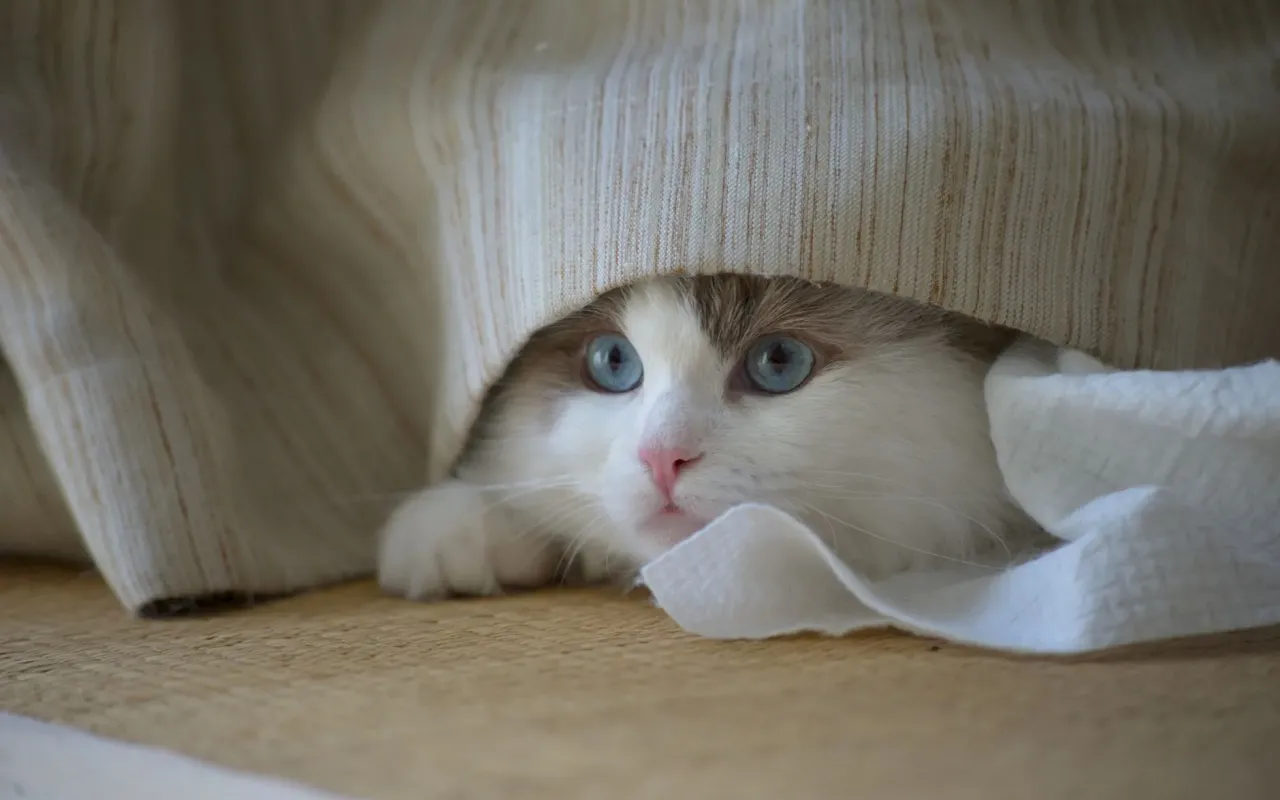
Is your cat suddenly hiding and refusing food? Discover the real reasons—from stress to medical emergencies—and learn what to do right now.
- August 16, 2026
AceShowbiz - You refill the water bowl, shake the treat bag, and call out the sing-song name that usually brings your cat running. Silence. You check the usual spots—under the bed, behind the curtains, inside the closet—and finally find them squeezed into a dark corner, eyes half-closed, and a full bowl of uneaten kibble going stale. Your heart drops. Cats are masters of disguise when it comes to illness, and the combination of hiding and not eating is their most urgent signal. This isn't a minor quirk; it's a red flag that demands your attention.
Cats evolved as both predator and prey, and their survival instinct dictates that showing weakness invites danger. In the wild, a sick cat hides to avoid becoming another animal's meal. Your domesticated sofa panther retains that primal wiring, so when they retreat and refuse food, they're essentially telling you, "I don't feel safe, and I don't feel well." While a single day of hiding might be a response to a loud thunderstorm, adding a refusal to eat changes the equation entirely. Let's break down exactly what's happening and, more importantly, what you should do about it.
The 48-Hour Rule: Why Time Is Not on Your Side
Here's a hard truth that every cat owner needs to internalize: a cat's metabolism is uniquely unforgiving. When a cat stops eating, their body begins breaking down fat reserves for energy. This process, called hepatic lipidosis, can overwhelm their liver and lead to potentially fatal liver failure. Unlike dogs, who can fast for a few days without catastrophic consequences, a cat's system starts to spiral within 48 to 72 hours of significant food refusal.
This isn't meant to terrify you, but to galvanize you into action. If your cat has skipped one meal but is otherwise acting normally, you have a little breathing room. However, if they've refused food for more than 24 hours and are hiding, you should not wait to see if they "snap out of it." The combination of these two symptoms is a medical priority, not a behavioral phase you can wait out.
Dr. Sarah Ellis, a feline behavior specialist, notes that "cats are experts at hiding pain until it becomes unbearable." By the time a cat is visibly hiding and fasting, the underlying issue is often advanced. Your job is to be the detective and the advocate, gathering clues for your vet while moving quickly to get professional help. If it's currently outside business hours, plan to call your vet first thing in the morning—or locate the nearest 24-hour emergency animal hospital now.
Actionable Takeaway: Mark the time. If your cat hasn't eaten in 24 hours, call your vet. If they haven't eaten in 48 hours, this is an emergency. Write down the last time you saw them eat and drink; this information is gold for your veterinarian.
Medical Red Flags: When Hiding Signals Pain or Illness
Before you analyze your cat's emotional state, you must rule out physical causes. Pain is a primary driver of hiding and anorexia in cats. Common culprits include dental disease, which makes chewing painful, and arthritis, which makes moving to the food bowl a miserable chore. A cat with a painful tooth abscess might associate the food bowl with pain, so they retreat and refuse to eat.
More sinister causes include kidney disease, which is prevalent in older cats and causes nausea and a metallic taste in the mouth. Pancreatitis, an inflammation of the pancreas, is notoriously painful and often triggered by stress or a high-fat diet. Gastrointestinal issues like inflammatory bowel disease (IBD) or an intestinal blockage from a swallowed toy or hairball can also cause profound discomfort and a complete loss of appetite. If your cat is hiding, they might be trying to isolate themselves while their body fights an internal battle.
Another major red flag is a urinary tract obstruction, particularly in male cats. If your cat is hiding, not eating, and making frequent, painful trips to the litter box, this is a life-threatening emergency. A blocked urethra prevents them from urinating, leading to toxins building up in the bloodstream. This condition can kill a cat in 24 to 48 hours, so if you see them straining in the litter box, skip the phone call and drive to the emergency vet immediately.
Finally, consider infectious diseases. If your cat is an indoor-outdoor adventurer, they could have contracted a virus like feline leukemia (FeLV) or feline infectious peritonitis (FIP). Even indoor cats can be exposed to upper respiratory infections, which can temporarily destroy their sense of smell. If they can't smell their food, they won't eat—it's that simple.
Actionable Takeaway: Check their body for visible signs of injury, check their gums for redness or ulcers, and gently palpate their belly. Any hiss, flinch, or growl when you touch a specific area is a clue to share with your vet.
The Invisible Enemy: Stress, Anxiety, and Environmental Change
If the vet gives your cat a clean bill of health, the culprit is likely psychological. Cats are creatures of extreme routine, and they perceive changes in their environment as threats. Did you recently move to a new apartment? Bring home a new baby or a new puppy? Did you rearrange the furniture or start working from home and alter their daily schedule? Any of these shifts can trigger a stress response that manifests as hiding and food refusal.
Consider the "safe zone" concept. When a cat feels threatened, they seek out a high or enclosed space where they feel invisible. If their usual safe zone (like a cat tree or a quiet closet) has been compromised, they might choose an even more extreme hiding spot. The stress hormone cortisol floods their system, suppressing their appetite. This is a survival mechanism—if they're stressed about a predator, their body prioritizes fleeing over digesting.
Multi-cat households are a hotbed for this issue. If you have more than one cat, there might be subtle bullying happening. A dominant cat might guard the food bowl, preventing the submissive one from eating. You might not see the aggression—it could be a simple stare-down or a blocking of the hallway—but the victim feels it intensely. The hiding cat is avoiding the bully, and the not eating is a direct result of being too stressed to approach the feeding station.
Another overlooked stressor is the litter box. If the box is dirty, in a high-traffic area, or if you've switched to a new type of litter, your cat might become distressed. This discomfort can generalize to other aspects of their life, leading to a full-blown depression-like state where they lose interest in food. They are literally voting with their feet (and their stomachs) against the current state of their territory.
Actionable Takeaway: Audit your home. Walk through the rooms and look for potential stressors: loud appliances near food bowls, lack of vertical escape routes, or a dirty litter box. Make one small change, like moving the food bowl to a quieter corner, and see if their appetite returns.
How to Encourage Eating in a Reluctant Cat
While you're waiting for a vet appointment or after you've received a stress diagnosis, you have to get calories into your cat. The longer they go without food, the higher the risk of fatty liver disease. You need to make food irresistible. Start by warming up their wet food for about 10 seconds in the microwave. The heat releases the aroma, making it more appealing to their senses. Cats are driven by smell far more than taste, so a strong, savory scent is your best tool.
If they still refuse their regular food, offer something high-value. Plain boiled chicken (shredded, no salt or seasoning), unseasoned bone broth, or a small amount of tuna water can stimulate their appetite. You can also try baby food—specifically meat-based jars with no onion or garlic powder. The smooth texture is easy to eat, and the strong flavor often tempts even the most stubborn feline. Offer these on a flat plate or even on your finger to get them engaged.
For stress-related anorexia, consider a prescription diet like Hill's Prescription Diet a/d, which is specifically designed to entice sick cats to eat. You can also ask your vet about appetite stimulants like Mirtazapine. This transdermal gel is applied to the inside of the ear and works to trigger the hunger center in the brain. It's a game-changer for cats who are simply too nauseous or depressed to eat on their own.
Finally, check their water intake. Dehydration will worsen nausea and make them feel even worse. If they aren't drinking, try a pet fountain—many cats prefer moving water—or offer ice cubes in their bowl. You can also add water to their wet food to increase fluid intake. Hydration is a critical component of recovery; a dehydrated cat will not eat, creating a vicious cycle.
Actionable Takeaway: Create a "food buffet." Offer three different types of food (wet, dry, and a treat) in separate bowls. Place them in different locations—some near their hiding spot, some in the kitchen. Let them choose the location and the food; this gives them a sense of control, which reduces stress.
Creating a Safe Recovery Zone
When your cat is hiding, forcing them out is counterproductive. You want to make their chosen hiding spot more comfortable, not drag them into the open. If they are under the bed, place a soft blanket, a water bowl, and a small plate of food right at the edge of the bed. This allows them to eat without feeling exposed. The goal is to make the hidey-hole a "safe cafeteria" where they can meet their basic needs without anxiety.
Consider using a Feliway diffuser. This synthetic pheromone mimics the "happy face" pheromone that cats release when they rub their cheeks on objects. Plugging one into the room where they are hiding can significantly reduce their stress levels. It's not a magic bullet, but it creates a chemical environment that signals "all is well" to your cat's brain.
Minimize noise and traffic. If your cat is hiding in the bedroom, keep the door closed and limit foot traffic. Tell your family members or roommates to give the cat space. A quiet, dark environment is what they are seeking; respect that. You can sit quietly in the room, reading a book or working on your laptop, to offer passive companionship. This shows you are present without demanding interaction, which helps rebuild trust.
When they do come out, resist the urge to grab them or shower them with loud affection. Instead, use a soft voice and offer a slow blink—this is the feline equivalent of a friendly wave. If they approach you, offer a gentle chin scratch. Let them dictate the level of interaction. This reduces the pressure on them and helps them associate coming out of hiding with positive, non-threatening experiences.
Actionable Takeaway: Put a worn t-shirt of yours near their hiding spot. Your scent is a powerful comfort signal for a stressed cat. It tells them their human is guarding the perimeter, allowing them to relax and feel secure enough to eat.
When to Call the Vet: Trust Your Gut
You know your cat better than anyone. If they are hiding and not eating, and your intuition is screaming that something is wrong, listen to it. Vets see "the look" in a cat's eyes—the dull, withdrawn expression of a sick animal—and they will take your concerns seriously. Do not feel like you are overreacting by calling. A phone call costs nothing, and it might save your cat's life.
Specifically, call the vet if the hiding has lasted more than two days, if the food refusal has lasted more than 24 hours, or if you notice any other symptoms like vomiting, diarrhea, lethargy, or changes in litter box habits. If your cat is hiding and not eating after a known stressful event (like a party or a move), you might have a 24-hour window to try the stress-reduction techniques above. But if they don't perk up quickly, medical intervention is necessary.
When you call, be specific. Tell them exactly how long the cat has been hiding, whether they have eaten anything at all, and if they have used the litter box. This data helps the vet triage the situation over the phone. They might tell you to try a specific food first, or they might tell you to come in immediately. Either way, you've armed them with the information they need.
Remember, cats are stoic creatures. By the time they show you they feel bad, they've likely been feeling bad for a while. Your proactive approach is the difference between a quick recovery and a prolonged, expensive hospital stay. You are the advocate they cannot be for themselves, and your willingness to act is the most powerful tool in their corner.
Actionable Takeaway: Program your regular vet's number and the nearest 24-hour emergency vet's number into your phone today. When panic sets in, you won't want to be fumbling for a business card; you want to be dialing for help.