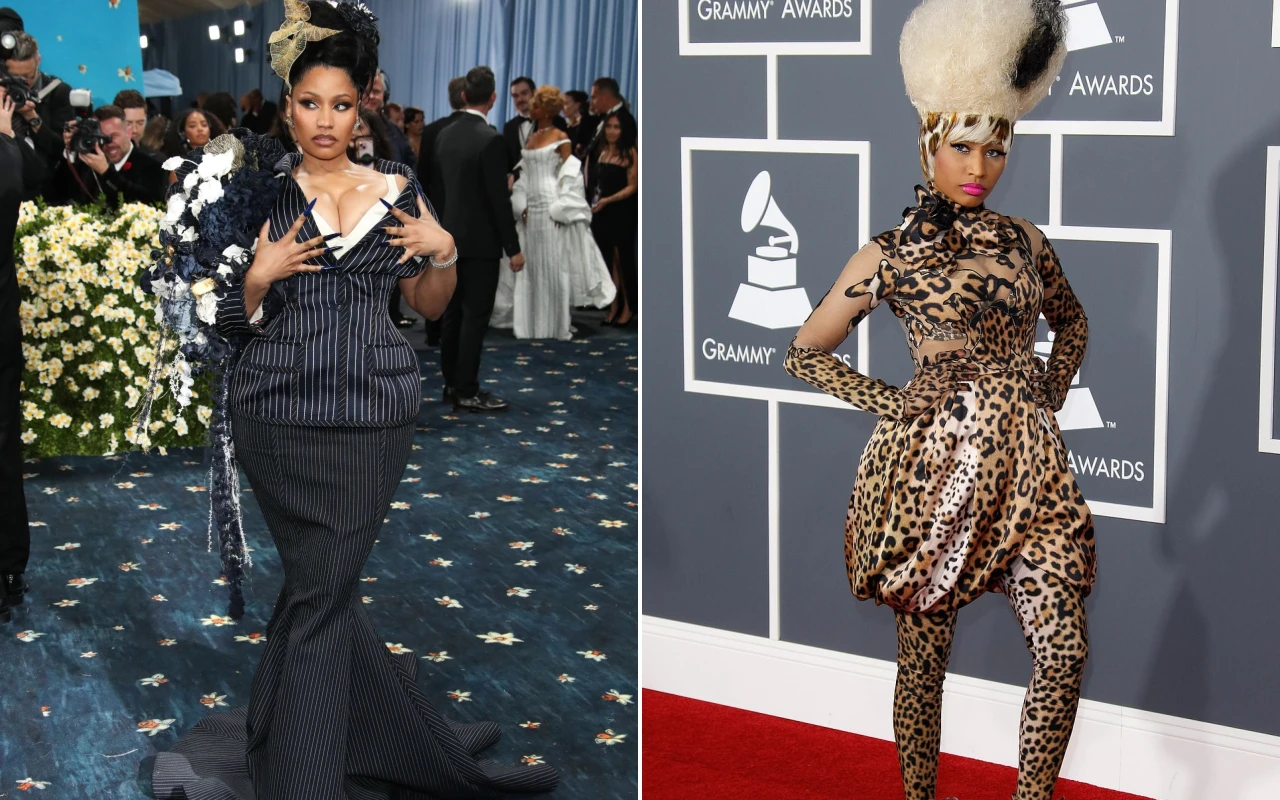
Nicki Minaj exposes the spiritual battles, materialism, and gatekeeping threatening artists' faith in the music industry's dark underbelly.
- June 17, 2026
AceShowbiz - Nicki Minaj has recently shed light on the intense spiritual struggles that permeate the music industry, exposing how forces such as materialism, demonic influences, and powerful gatekeeping threaten artists' faith and wellbeing.
In a revealing discussion with interviewer Bryce Crawford, Nicki Minaj recounted her journey from humble beginnings in Trinidad and Queens to becoming a prominent figure in hip-hop. Along the way, she discovered the harsh realities behind the glitz and glamour of the music world.
According to Minaj, the industry's environment felt like a continuous spiritual battle, where she often felt unprepared and overwhelmed. Early in her career, she believed the music business was a supportive community where artists encouraged one another to succeed. This hopeful perception quickly faded.
She described a cutthroat atmosphere where artists are treated like commodities, and alliances dictate who achieves success. If an artist doesn't align with certain influential individuals or groups, they risk being blacklisted and marginalized, losing vital opportunities and income.
One of the most unsettling realizations for Minaj was that this was not merely business competition but a deeper spiritual conflict. She expressed regret that she was not forewarned about the spiritual challenges embedded within the industry, leaving her ill-equipped to face them.
Minaj highlighted materialism as a core issue, stating the industry’s obsession with wealth, status, and possessions draws people away from spiritual fulfillment and a connection with God. Rather than inspiring faith or spiritual growth, the business promotes worship of material things, fostering a toxic environment that damages artists and fans alike.
This emphasis on external success, Minaj noted, creates unrealistic expectations, especially among young people growing up in the age of social media. Platforms like Instagram encourage constant comparison to idealized and often edited images, which can erode self-esteem and promote self-hatred instead of self-love.
She expressed concern that many young individuals may grow up feeling inadequate and pressured to change themselves rather than embracing who they are. To Minaj, this is a profoundly harmful and “demonic” effect of the industry’s influence on culture.
Throughout these trials, Minaj credits her faith and relationship with God as her grounding force. She recalled childhood memories of her grandmother praying during turbulent times, which laid a spiritual foundation that continues to support her.
Minaj explained that her faith directs her decisions, providing her with strength and guidance to navigate challenges, including those within the music industry.
Her warnings about the impact of social media on youth are now being echoed by governments worldwide. Australia has already implemented a ban on social media usage for individuals under 16 starting December 2025. Spain is considering similar restrictions, and Albania has taken the drastic step of banning TikTok for a year following a violent incident linked to social media conflict.
These policy changes reflect growing awareness of the mental health crisis fueled by social media’s design to keep users engaged while fostering feelings of inadequacy, anxiety, and depression—especially among the young.
Minaj was ahead in recognizing these dangers years before they gained widespread attention. She spoke about how difficult it must be for young people today to cope with constant body and appearance comparisons amplified by social media, which can severely harm self-esteem.
In summary, Nicki Minaj reveals a music industry riddled with spiritual warfare and materialistic pressures that threaten artists’ souls and mental health. Her insights also highlight the urgent need to address the damaging effects of social media on youth, underscoring the importance of faith and self-acceptance in combating these challenges.
This article is based on reporting originally published by AllHipHop.