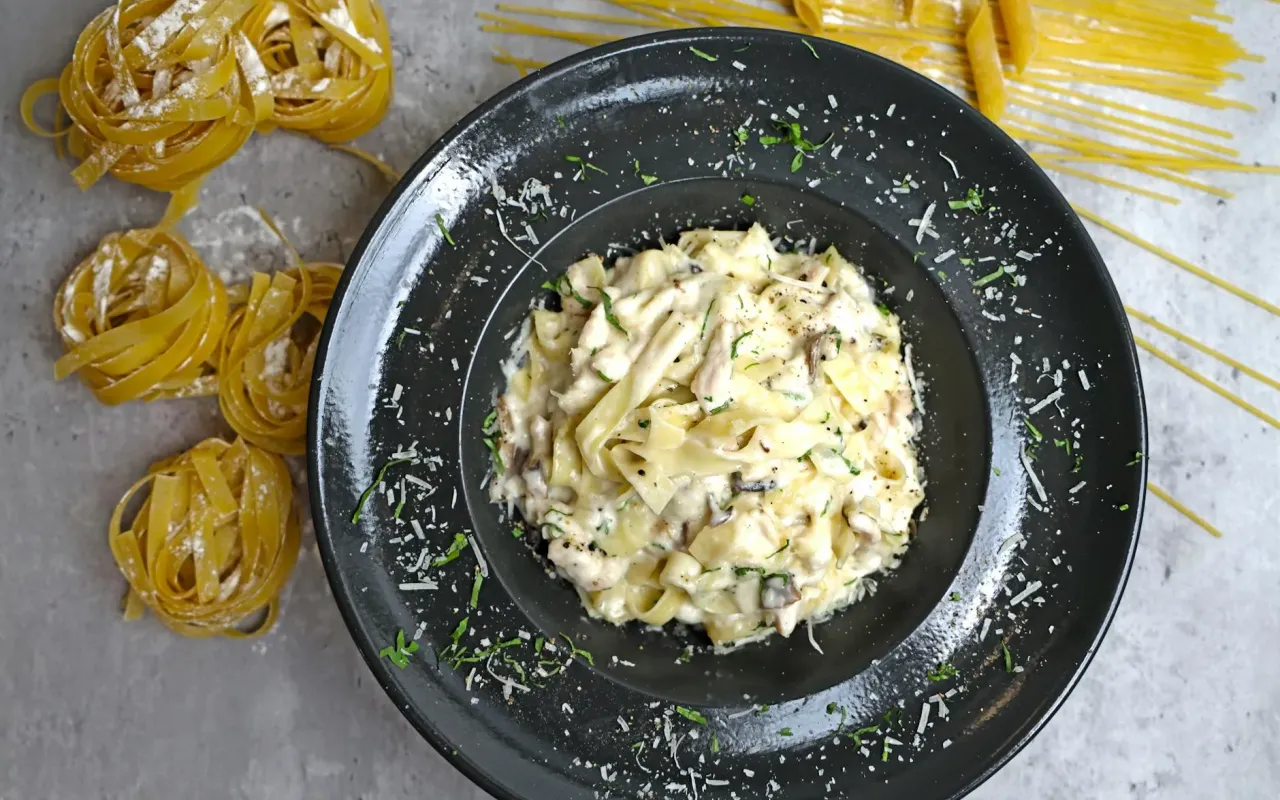
Forget the cream and garlic. Learn the authentic Italian method for pasta carbonara with guanciale, pecorino, and eggs. No shortcuts, just real flavor.
- May 13, 2026
Why Your Carbonara Has Been Lying to You
I remember the first time I ordered carbonara in Rome. I was 28, sitting at a tiny trattoria near the Termini station, expecting the creamy, garlicky, bacon-filled mess I'd been making at home for years. What arrived was a revelation: a tangle of spaghetti coated in a silky, golden sauce that tasted like pure pork fat and sharp cheese. There was no cream. No garlic. No parsley. Just four ingredients, transformed into something transcendent.
That night, I learned a hard truth: most of the world has been making carbonara wrong. And if you're like most 30-somethings who've been relying on a recipe from a food blog that promised "easy weeknight carbonara," you've probably been serving a pale imitation. The real thing isn't harder—it's just different. And once you understand the why behind each step, you'll never go back.
The biggest myth? That carbonara is a "creamy" sauce in the Alfredo sense. In Italy, it's not a sauce at all—it's an emulsion of egg yolks, rendered pork fat, and cheese. The creaminess comes from technique, not dairy. And the flavor comes from guanciale, not bacon. Let's fix this, starting with what you actually need.
The Four Pillars of Authentic Carbonara
Guanciale: The Non-Negotiable Fat
If you're using bacon or pancetta, you're making a different dish. Guanciale is cured pork cheek, and it has a fat-to-meat ratio that's nearly 60-40. That fat renders slowly, releasing a deep, porky flavor that bacon's smoky notes can't match. It's not just about taste—the rendered fat (the "strutto") is what binds your sauce.
You can find guanciale at Italian delis, specialty grocers, or online. It costs about $8-10 per half-pound, which is enough for two generous servings. If you absolutely can't find it, use unsmoked pancetta—but know you're compromising. And never, ever use bacon. That smoke flavor will dominate and mask the delicate egg and cheese.
Practical tip: Freeze the guanciale for 15 minutes before slicing. It firms up just enough to cut into thin strips (about 1/4-inch thick) without squishing. You want lardons, not cubes.
Pecorino Romano: The Salty Backbone
Parmigiano-Reggiano is a common substitute, but it's wrong for carbonara. Pecorino Romano is a sheep's milk cheese that's saltier, sharper, and more crumbly. It's what gives the sauce its characteristic tang and its ability to emulsify without clumping. A good pecorino should feel hard and smell slightly grassy—not like ammonia.
Buy it in a block and grate it yourself. Pre-shredded cheese contains anti-caking agents like cellulose, which prevent it from melting smoothly. For carbonara, you need a fine, fluffy grate—almost like powder. This ensures it dissolves into the egg mixture without creating clumps.
Here's a stat that might surprise you: a single serving of authentic carbonara contains about 30% of your daily sodium. That's not a bug—it's a feature. The salt from the guanciale and pecorino is the only seasoning you need. No extra salt in the pasta water, please.
Eggs: The Emulsification Engine
You need two types of eggs: whole eggs and yolks. For a standard serving (for two people), use 2 whole eggs plus 2 egg yolks. The whole eggs provide structure; the extra yolks add richness and that signature golden color. The ratio matters: too many whites, and your sauce will be watery. Too few yolks, and it won't coat the pasta.
Use the freshest eggs you can find—ideally from a farmer's market or pasture-raised. The yolks should be deep orange, almost red. Why? Because those yolks are higher in lecithin, a natural emulsifier that helps the fat and water bind. Cheap, pale yolks are less stable and more likely to scramble.
Pro tip: Bring your eggs to room temperature before starting. Cold eggs will shock the hot pasta and cause the sauce to break. Set them out 30 minutes before cooking.
Pasta: The Right Shape Matters
Spaghetti is traditional, but bucatini or rigatoni work too. The key is a shape that holds the sauce. Avoid long, thin pasta like angel hair—it's too delicate and will clump. You want a pasta with a rough surface (bronze-die extruded, if possible) that gives the sauce something to cling to.
Cook the pasta in a large pot of water that's salted like the sea—but remember, you're not seasoning the water with salt. The guanciale and pecorino provide all the salt you need. Instead, use the pasta water as your secret weapon. It's starchy and salty, and it's what you'll use to thin the sauce without breaking it.
Cook the pasta 2 minutes less than the package directions. It will finish cooking in the pan with the sauce, and you want it to be al dente—firm to the bite. Overcooked pasta turns to mush and won't hold the emulsion.
The Technique: Where Most People Go Wrong
Step 1: Render the Guanciale (Patience Wins)
Place your guanciale strips in a cold, heavy-bottomed skillet (cast iron or stainless steel). Turn the heat to medium-low. This is critical: you're not frying the meat; you're slowly rendering the fat. It should take 8-10 minutes. The guanciale will release its fat, and the meat will become crispy and golden. Do not rush this. If the heat is too high, the fat will burn and the meat will be tough.
When the guanciale is crispy and the fat is clear (not cloudy), use a slotted spoon to remove the meat to a plate. Leave the rendered fat in the pan. Turn off the heat but keep the pan on the burner—the residual heat will be your friend.
What NOT to do: Don't add garlic, onion, or olive oil. The guanciale's fat is all you need. Garlic will overpower the delicate egg flavor. Oil will make the sauce greasy.
Step 2: Make the Egg-Cheese Mixture
In a medium bowl, whisk together your 2 whole eggs and 2 egg yolks until smooth and uniform. Add 1 cup (about 4 ounces) of finely grated Pecorino Romano. Whisk until the mixture is thick and paste-like. It should look like a thick, grainy custard. Don't worry about the texture—it will smooth out when it hits the hot pasta.
Add a generous crack of black pepper (about 1 teaspoon). In Italy, carbonara is not shy with pepper. It cuts through the richness and adds a subtle heat. Use freshly ground black pepper, not pre-ground, which is dusty and weak.
Here's a common mistake: people add the cheese to the hot pan or to the pasta directly. Don't. The cheese needs to be incorporated into the eggs first, so it melts evenly. If you add it later, you'll get clumps of unmelted cheese.
Step 3: The Emulsion Dance (No Scrambled Eggs)
This is the moment that separates good carbonara from great carbonara. When your pasta is al dente (2 minutes underdone), reserve 1 cup of pasta water. Drain the pasta (do not rinse it—the starch is essential) and transfer it immediately to the skillet with the rendered guanciale fat. Toss the pasta in the fat over low heat for 30 seconds.
Remove the pan from the heat. Wait 30 seconds—let it cool slightly. Then, pour the egg-cheese mixture over the pasta while tossing vigorously with tongs. The residual heat from the pasta will cook the eggs gently, creating a creamy sauce. If the mixture looks too thick, add a splash of pasta water (start with 2 tablespoons) and toss again. The starch in the water will help the sauce cling.
The secret? You're making an emulsion, not a scramble. If the pan is too hot, the eggs will turn into curds. If it's too cold, the sauce will be watery. The perfect temperature is when you can hold your hand a few inches above the pan and feel gentle warmth, not searing heat. Practice this once, and you'll never fear it again.
Step 4: Finish and Serve Immediately
Add the crispy guanciale back to the pan. Toss to combine. Taste the pasta—it should be creamy, salty, and rich. If it's too thick, add more pasta water, one tablespoon at a time. If it's too thin, the pan has cooled too much—next time, work faster.
Serve in warm bowls (run your bowls under hot water for a minute). Top with extra grated pecorino and a final crack of black pepper. Do not add parsley or chives—that's not Italian. Do not add cream—that's a crime. Serve immediately. Carbonara waits for no one. After 5 minutes, the sauce will set and become gluey.
Real talk: This dish is not low-calorie. A single serving has about 600-700 calories and 40 grams of fat. That's okay. It's a celebration dish, not a weekday lunch. Eat it with a glass of dry white wine (like a Frascati) and call it a night.
Why Your Carbonara Broke (And How to Fix It Next Time)
Problem 1: The Sauce Turned Into Scrambled Eggs
This happens when the pan is too hot. You added the eggs to a screaming hot skillet. Solution: Let the pan cool off the heat for a full minute after tossing the pasta. If you're nervous, use a double boiler method: mix the eggs and cheese in a heatproof bowl, then set it over simmering water while you stir. It's slower but foolproof.
Problem 2: The Sauce Is Too Thin and Watery
You added too much pasta water, or you didn't let the pasta water reduce. Remember: the sauce should coat the back of a spoon. If it's runny, you need more emulsification. Next time, use less pasta water—start with 2 tablespoons and add more only if needed. Also, make sure your egg-cheese mixture is thick before adding it.
Problem 3: The Pasta Is Clumpy and Dry
You overcooked the pasta, or you didn't toss it immediately with the fat. Starch from the pasta needs to mix with the fat to form a base. If you let the pasta sit for even 30 seconds, it starts to stick. Work fast: drain, transfer, toss in fat, add eggs. No delays.
The One Ingredient That Changes Everything
I've been making carbonara for a decade, and the single biggest upgrade I've made is using a microplane to grate my pecorino. A microplane creates a fluffy, airy grate that dissolves instantly into the eggs. A box grater creates coarse shreds that take longer to melt and can leave you with gritty sauce.
Another game-changer: toast your black pepper in the dry skillet before adding the guanciale. Just 30 seconds over medium heat releases the essential oils and makes the pepper aromatic instead of just spicy. It's a small step that adds complexity.
And here's a controversial take: some Italian chefs in Rome add a splash of the guanciale's rendered fat (about 1 tablespoon) directly to the egg mixture before combining. This pre-emulsifies the fat with the eggs, making the final sauce even silkier. Try it once and see if you like it. I do.
Frequently Asked Questions (With Real Answers)
Can I use spaghetti instead of bucatini?
Yes, but bucatini is better. The hollow center holds the sauce. If you're using spaghetti, make sure it's high-quality (De Cecco or Barilla bronze-die) so the surface is rough enough to grip the emulsion.
Is it okay to add peas or mushrooms?
In Italy, no. That's not carbonara—that's a pasta dish with eggs and cheese. If you want vegetables, make a different recipe. Carbonara is about purity. Adding ingredients dilutes the flavor and texture.
How do I reheat leftovers?
You don't. Carbonara doesn't reheat well—the sauce breaks and becomes greasy. Make only as much as you'll eat in one sitting. If you have extra, toss it in a frittata the next day, but don't expect it to taste like fresh carbonara.
Can I make this vegetarian?
No. The entire dish is built around guanciale fat. Without it, you're making a different sauce. Try a cacio e pepe (cheese and pepper pasta) instead—it's vegetarian and just as satisfying.
The Final Word (Not a Conclusion, Just a Reminder)
Authentic carbonara is not a recipe you can rush. It requires attention to temperature, patience with the guanciale, and a willingness to fail once or twice. But when you nail it—that first bite where the egg, cheese, and fat meld into a single, silky strand—you'll understand why Italians guard this dish so fiercely.
So next time you're craving carbonara, skip the cream, skip the bacon, and skip the shortcuts. Spend 20 minutes doing it the real way. Your taste buds will thank you, and you'll finally know what all the fuss is about. Buon appetito.