Buffy's Hulu revival is canceled. Discover why, from creative clashes between Chloe Zhao, Sarah Michelle Gellar, and the studio.
- April 13, 2026
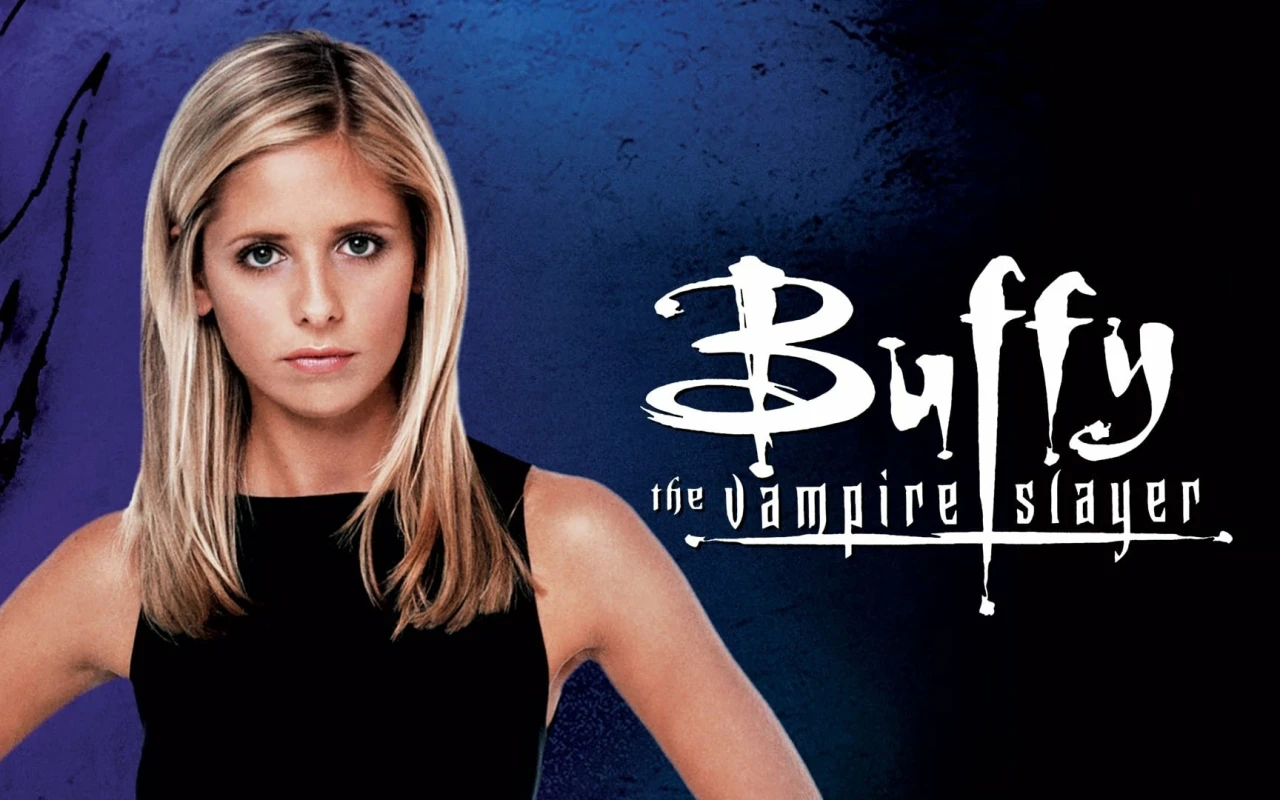
AceShowbiz - It appears the saga of the Slayer may be ending as Buffy the Vampire Slayer’s Hulu revival has been canceled. The reboot, helmed by Chloé Zhao and involving original star Sarah Michelle Gellar, will not continue, leaving fans and industry insiders wondering what ultimately led to the shutdown.
The reasons behind Hulu’s decision remain somewhat unclear. Sarah Michelle Gellar publicly blamed a Hulu executive identified by trade outlets as Craig Erwich. On the other hand, anonymous sources from Hulu have claimed that the series did not meet the quality standards they expected, indirectly placing responsibility on Zhao’s vision for the show.
Most likely, the cancellation stems from a fundamental clash in creative direction. While Hulu reportedly favored a revival more akin to Buffy the Vampire Slayer Season 8—a continuation aimed at longtime fans—Gellar and Zhao envisioned a fresh take: Buffy: The Next Generation, focusing on a new Slayer for a new audience. This approach aligns with successful franchise revivals like Star Wars, which have shown that merely relying on nostalgia can have diminishing returns.
Yet, this cancellation also casts a spotlight on broader issues facing Disney’s streaming strategy. The streaming model that once promised endless growth and subscriber acquisition now grapples with fundamental sustainability challenges.
Streaming’s Golden Era Fades
Disney insiders have reportedly voiced blunt assessments such as "Streaming is dead." This remark came during budget discussions for the second season of Andor, as shared by showrunner Tony Gilroy. The statement encapsulates a growing consensus that the peak era of streaming’s explosive growth has passed.
Even creators like the Duffer brothers, who brought us Stranger Things, have expressed disenchantment with the streaming boom, shifting focus back to feature films. The streaming revolution, largely propelled by hits like Stranger Things, established a pattern: platforms needed a steady flood of new, high-quality content to attract and keep subscribers. This led to escalating production costs as streamers competed for premium series, with Netflix, HBO, and Disney setting the bar high.
In hindsight, this approach was never truly sustainable. Subscribers frequently hopped between platforms, signing up temporarily to watch flagship releases and then canceling their subscriptions. Netflix tried to counteract this with advanced recommendation algorithms designed to keep viewers engaged, but many competitors struggled to match this data-driven retention strategy.
Moreover, a natural limit exists on the total number of potential subscribers. The market cannot expand infinitely, and as a result, streaming services face the dilemma of spending more money merely to maintain their current subscriber base rather than grow it.
Disney’s Unique Streaming Challenges
Disney’s streaming platform, Disney+, launched in December 2019 with immediate success, fueled by the popularity of The Mandalorian and the viral sensation of Baby Yoda. However, profitability only came with the introduction of an ad-supported tier. Meanwhile, constant new content releases—intended to keep audiences engaged—have led to brand dilution for Disney’s core franchises, the Marvel Cinematic Universe (MCU) and Star Wars.
This dilution partly explains why Disney is recommitting to theatrical releases for both Star Wars and the Avengers franchises in the near future. Disney+ struggles to maintain the same cultural impact with serialized content as it does with blockbuster films.
Difficulty Launching New Franchises on Streaming
While all streaming services adapt to this evolving landscape, Disney appears particularly vulnerable. The company relies heavily on well-established franchises but has difficulty launching original intellectual properties (IP) that resonate widely. Netflix, for example, is celebrated for new hits like Wednesday, Bridgerton, and KPop Demon Hunters, which attract fresh viewers without relying on nostalgia.
In contrast, Disney+ is primarily home to Marvel and Star Wars content, with few new franchises emerging since its debut. The only notable new series gaining traction has been Percy Jackson. Hulu, which Disney plans to fold into Disney+ by the end of the year, inherits these challenges.
Hulu’s decision to cancel Buffy the Vampire Slayer must be understood in this context. Although Buffy is a recognized franchise, the reboot intended by Zhao and Gellar aimed to introduce a new Slayer to a younger generation. Hulu, however, preferred a mature series targeting longtime fans—a strategy that feels like another nostalgia-driven project rather than a groundbreaking revival.
Such a nostalgic approach might achieve temporary success but offers little transformative value for Disney or Hulu’s streaming ambitions. It risks becoming more of the same content that has already saturated the market.
Disney’s Future Streaming Strategy
Overall, Disney has wisely shifted focus back to theatrical releases, where their marquee properties can generate significant box office revenue and cultural momentum. However, Disney+ cannot simply be a platform where audiences revisit films months after theatrical runs. The platform still requires a steady stream of compelling, fresh TV shows to retain subscribers.
The emphasis must be on new content because franchises like Star Wars and Marvel have demonstrated that repeating past formulas eventually leads to audience fatigue. Nostalgia can only sustain interest for so long before viewers begin to disengage.
Unfortunately, Zhao’s vision for Buffy: New Sunnydale is now shelved, and a revival of Buffy the Vampire Slayer seems unlikely in the near future. Convincing Gellar to return took years, and her recent criticisms of Hulu suggest those bridges may have been burned.
The real challenge for Disney+ and Hulu moving forward is identifying or creating the next breakthrough series—one that attracts new viewers whether it spins out of existing IP or stands alone. While critically acclaimed shows like Andor and Daredevil: Born Again help, Disney cannot rely solely on Marvel and Star Wars content, nor can it depend on an annual Percy Jackson season.
To succeed, the streaming service must diversify its content slate with multiple compelling offerings that capture audience interest consistently. Only then can Disney+ and Hulu hope to overcome the limitations exposed by the cancellation of Buffy the Vampire Slayer and the broader collapse of the traditional streaming model.