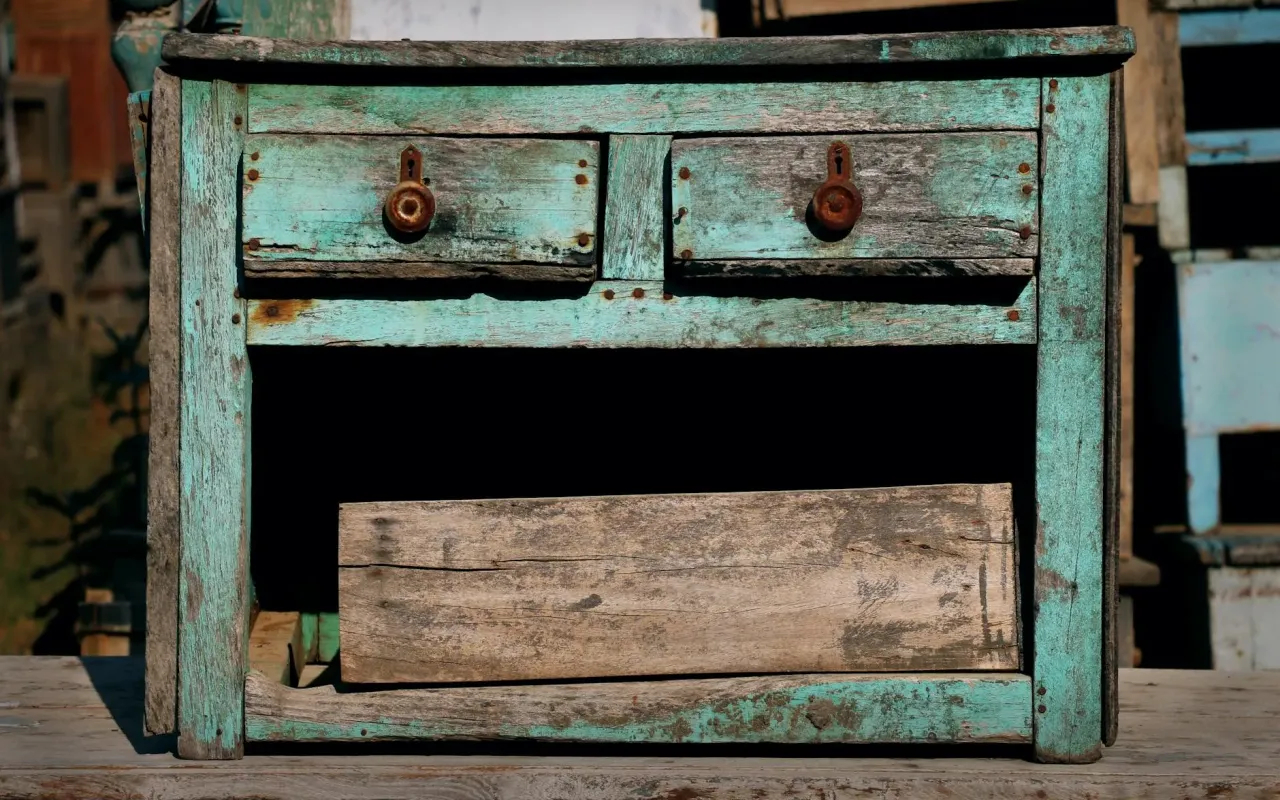
Your old furniture doesn't have to end up in a landfill. Discover practical, sustainable ways to give it a new life, from selling to donating to creative upcycling.
- April 1, 2026
AceShowbiz - That armchair has a permanent dent from where you binge-watched three seasons of your favorite show. The coffee table bears the ring of a forgotten, sweating glass. We form attachments to our furniture, but eventually, the day comes when a piece no longer fits—your style, your space, or your life. The default move for decades has been to drag it to the curb, but that's a costly choice for both your wallet and the planet. The EPA estimates that over 12 million tons of furniture and furnishings end up in U.S. landfills annually. That's a mountain of solid wood, metal springs, and synthetic foam sitting inert for generations.
Before You Ditch It: The Mindset Shift
Getting rid of furniture responsibly starts with a simple but powerful question: Is this truly trash, or is it just trash to me? We often discard items that are structurally sound but aesthetically dated, or perfectly functional but simply no longer needed. The first step is a clear-eyed assessment. Pull that bookcase away from the wall. Is it wobbly because a screw is loose, or is the particleboard core disintegrating? A loose joint is a 10-minute fix with wood glue and a clamp; waterlogged MDF is likely beyond saving.
This assessment isn't just about salvageability; it's about value. A solid wood dresser, even with scuffs, has inherent material value and potential for someone else. A flimsy, pressboard unit from a flat-pack store likely does not. Understanding this difference guides every decision that follows. It saves you time trying to sell something with no market and helps you match the item with the most appropriate next step.
Actionable Takeaway: Before listing or lugging, conduct a 5-point check: Structural integrity (no major breaks), Stability (doesn't wobble dangerously), Fabric condition (no major stains or pet damage beyond a simple clean), Functionality (all drawers slide, doors close), and Safety (no exposed springs, major splinters, or recall issues). If it passes, it's a candidate for a second life.
When Repair is the Most Sustainable Choice
Our disposable culture pushes us toward replacement, but repair is the pinnacle of sustainability. A scratched wooden table can be sanded and refinished. A chair with a broken rung can often be reglued. Upholstery cleaning or a slipcover can transform a tired sofa. Platforms like YouTube are treasure troves of DIY repair tutorials for every skill level. For more complex jobs, local furniture repair shops or upholsterers can often work miracles for a fraction of the cost of new, high-quality furniture.
Consider the environmental math. Manufacturing a new sofa requires raw material extraction, processing, global shipping, and packaging—a massive carbon footprint. Repairing your existing one uses a tiny fraction of those resources. Beyond the eco-benefit, you retain a piece with history and character, and you develop a new skill in the process. It's a win for your home, your wallet, and the waste stream.
Selling: Turning Your Cast-Off into Cash
If your item is in good condition, selling it is a fantastic way to ensure it goes to a home that wants it, while padding your wallet. The key is strategy. Take excellent, well-lit photos in a clean space. Show any flaws transparently—this builds trust and avoids hassle later. Write a detailed description including dimensions, material (e.g., "solid oak," not just "wood"), brand if known, and reason for selling.
Your platform choice matters. For higher-end or vintage pieces, Facebook Marketplace and local "Buy Nothing" groups offer wide reach. Nextdoor targets hyper-local neighbors who can pick up easily. For designer brands, consider dedicated resale apps like Chairish or 1stDibs. Craigslist is still a powerhouse for no-frills, quick local sales. Price it realistically; search for similar sold items to gauge the market. Remember, your goal is to divert from landfill and make some money, not to recoup the original retail price.
Actionable Takeaway: For a fast sale, use the "Bundle and Discount" tactic. If you're selling a dining table, mention you'll include the matching chairs for a slightly higher bundled price, or offer a discount if the buyer can pick it up within 48 hours. This creates urgency and value.
Navigating the Pick-Up Sale
Most furniture sales are local and require pickup. Clearly state "Pickup Only" and the general neighborhood or cross streets in your listing. Be prepared to negotiate, but decide on your lowest acceptable price beforehand. For safety, arrange for pickups during daylight hours and have someone else at home with you. Have the item ready to go near the door to facilitate a quick, contactless exchange. Accepting cash or secure peer-to-peer payment apps like Venmo or PayPal (Goods & Services for protection) completes a smooth transaction.
Donating: The Feel-Good Path with Rules
Donation is ideal for furniture that's gently used but not necessarily sellable, or when you prioritize convenience and social good over profit. Organizations like Habitat for Humanity ReStore, The Salvation Army, and Goodwill will often schedule free pickups for larger items, which is a huge perk. Your donation supports their charitable missions, from building affordable housing to funding job training programs.
However, charities are not dumping grounds. They have strict acceptance guidelines because they must resell the items. Generally, furniture must be clean, stain-free, structurally sound, and without major damage. Most will not accept items that are ripped, heavily stained, missing parts, or recall items like certain cribs. Always call your local donation center or check their website for a specific list before loading up your car. Dropping off unacceptable items costs them money in disposal fees, undermining the good you're trying to do.
Actionable Takeaway: Call ahead, always. Ask three questions: 1) Do you accept [specific item]? 2) What is your condition policy for upholstered furniture? 3) Do you offer free pickup, and what is the wait time? This 2-minute call can save you a wasted trip.
Beyond the Big Names: Local Donation Options
Look for shelters for families escaping domestic violence, refugee resettlement agencies, or organizations that furnish homes for people transitioning out of homelessness. These groups often have the most direct, immediate need and may accept items with minor wear that big-box charities cannot. A local search for "furniture donation [Your City]" or "furniture bank" can uncover these vital community resources. Your old bed frame could literally help someone sleep safely in their first stable apartment.
Giving It Away: The Power of Community Networks
Sometimes, the fastest and most satisfying route is to simply give furniture away. This is perfect for items that are too worn to sell but still have plenty of functional life left. The "Buy Nothing Project" is a global network of hyper-local gift economy groups on Facebook. Post a photo of your item, and a neighbor in need will likely claim it. You get to see the item go directly to someone in your community who will use it, fostering local connections and keeping goods in circulation.
Putting a "FREE" sign on a curbside piece can work, but it's a gamble. The item might get taken quickly, or it might sit for days, potentially incurring a fine from your municipality for illegal dumping if it rains or looks unsightly. The community network method is more reliable and respectful. It ensures a direct handoff and prevents the item from becoming street clutter.
Actionable Takeaway: When giving away online, use the "Porch Pickup" method for small to medium items. Clearly state the address, that the item is on the porch, and that it's first-come, first-served. This is completely contactless and efficient. For larger items, coordinate a specific pickup window with the recipient.
Creative Reuse and Upcycling
When a piece isn't fit for its original purpose, think laterally. An old wooden ladder can become a rustic blanket rack. A sturdy door can be transformed into a desktop or a headboard. Dresser drawers can be mounted on the wall as quirky shelves. This approach requires a bit of creativity and basic tools, but it keeps materials out of the waste stream and gives you a unique, personalized home item.
Social media platforms like Pinterest and Instagram are bursting with upcycling inspiration. Search for "dresser upcycle ideas" or "old coffee table makeover." You don't need to be an expert carpenter; many projects involve simple painting, adding new hardware, or repurposing components. This isn't just disposal; it's creative problem-solving that adds a story to your home decor.
Actionable Takeaway: Start with a simple project. An old, scratched side table can be completely revived with a light sanding and a coat of chalk paint. New knobs from a hardware store can modernize a dated dresser in minutes. These small acts of reuse build confidence and demonstrate that "old" doesn't mean "over."
When All Else Fails: Responsible Disposal
For furniture that is truly broken, hazardous, or unsalvageable (think: mattresses with stains, particleboard dissolved by water, anything with bed bugs), responsible disposal is your final, necessary step. Never illegally dump. It's bad for the environment, creates neighborhood blight, and can result in significant fines.
Start with your municipal waste authority's website. Many cities offer bulk trash pickup on specific schedules, sometimes for a fee. They may have specific instructions on how to prepare items (e.g., wrapping a mattress in plastic). Some areas have designated "drop-off days" for large items at recycling centers. For complex items, like a sofa, check if the municipality requires you to separate materials—metal springs to metal recycling, fabric to trash, wood frame if possible to wood waste.
Actionable Takeaway: Hire a reputable junk removal service as a last resort. Companies like 1-800-GOT-JUNK? or local haulers will do the heavy lifting. Ask them directly: "What percentage of what you pick up gets recycled or donated versus landfilled?" Choose a company with a transparent policy on diversion. You're paying for the service; you have a right to know the destination of your old stuff.
Breaking Down the Unsalvageable
If you're able, disassembling a broken piece can maximize recycling. Remove metal hinges, handles, and brackets for scrap metal recycling. Untreated wood can sometimes be taken to a wood recycler or composting facility. The remaining composite wood or fabric will likely need to go to landfill, but you've drastically reduced the volume. This takes effort, but it's the most granular and responsible form of disposal, ensuring every possible material stream is utilized.
The journey of a piece of furniture shouldn't end at the curb. By choosing to sell, donate, gift, repurpose, or thoughtfully dispose of it, you're making an active choice against waste. You're supporting your local economy, helping a neighbor, fueling a charity, or unlocking your own creativity. That old couch you can't stand might just become someone else's favorite find, or the raw material for your next great project. The most sustainable furniture is the piece that already exists, and you have the power to extend its story.