Feeling eco-guilt at checkout? Transform your grocery run with actionable, budget-friendly swaps that make a real impact. Start here.
- March 26, 2026
The Overwhelmed Cart: Why Your Grocery Run Matters More Than You Think
Picture this: you're at the supermarket, juggling a reusable bag, trying to choose between two nearly identical yogurts. One is in a plastic tub, the other in a cardboard carton. You feel a pang of eco-anxiety, but you're also tired, on a budget, and just need to get dinner on the table. That moment, multiplied by billions of shopping trips globally, is where real environmental change happens. The food system is responsible for roughly one-third of global greenhouse gas emissions, with a significant chunk tied to packaging, transportation, and food waste that starts right in our shopping carts.
This isn't about achieving perfection or shaming anyone for a plastic-wrapped cucumber. It's about recognizing the collective power of small, consistent choices. When we shift our habits, we send powerful signals to producers and retailers about what we value. Sustainable grocery shopping is less about a single heroic act and more about building a smarter, more mindful routine that aligns your values with your weekly shop, saving you money and reducing waste in the process.
Your first actionable takeaway: For your next trip, don't try to overhaul everything. Pick one category—like produce or pantry staples—and focus your sustainable efforts there. Master that, then build on it.
Mastering the Pre-Shop: Your Plan of Attack
The most sustainable grocery item is the one you actually eat. An estimated 30-40% of the US food supply is wasted, much of it rotting in home refrigerators. That's like walking out of the store with five bags of groceries and immediately tossing one and a half into the trash. The antidote to this waste—and the guilt—begins long before you set foot in a store.
Start with a kitchen audit. Open your fridge, pantry, and freezer. What's lurking in the back? Taking stock prevents you from buying your third jar of cumin and helps you plan meals around what you already own. Next, build a flexible meal plan for the week. Think in terms of ingredients that can do double-duty: a roast chicken becomes dinner, then lunch sandwiches, and the carcass transforms into soup stock.
Your shopping list is your sustainability shield. Organize it by store section (produce, dairy, dry goods) to minimize frantic, impulse-driven dashes through the aisles. Apps like AnyList or even a simple notes app with checkboxes can be lifesavers. A precise list keeps you focused, reduces food waste, and saves you money by cutting down on unplanned purchases.
Practical tip: Implement a "use-it-up" meal each week. Designate one dinner to creatively combine the wilting veggies, leftover grains, and that half-can of beans. It reduces waste and sparks culinary creativity.
The Reusable Kit: Non-Negotiables for Your Trip
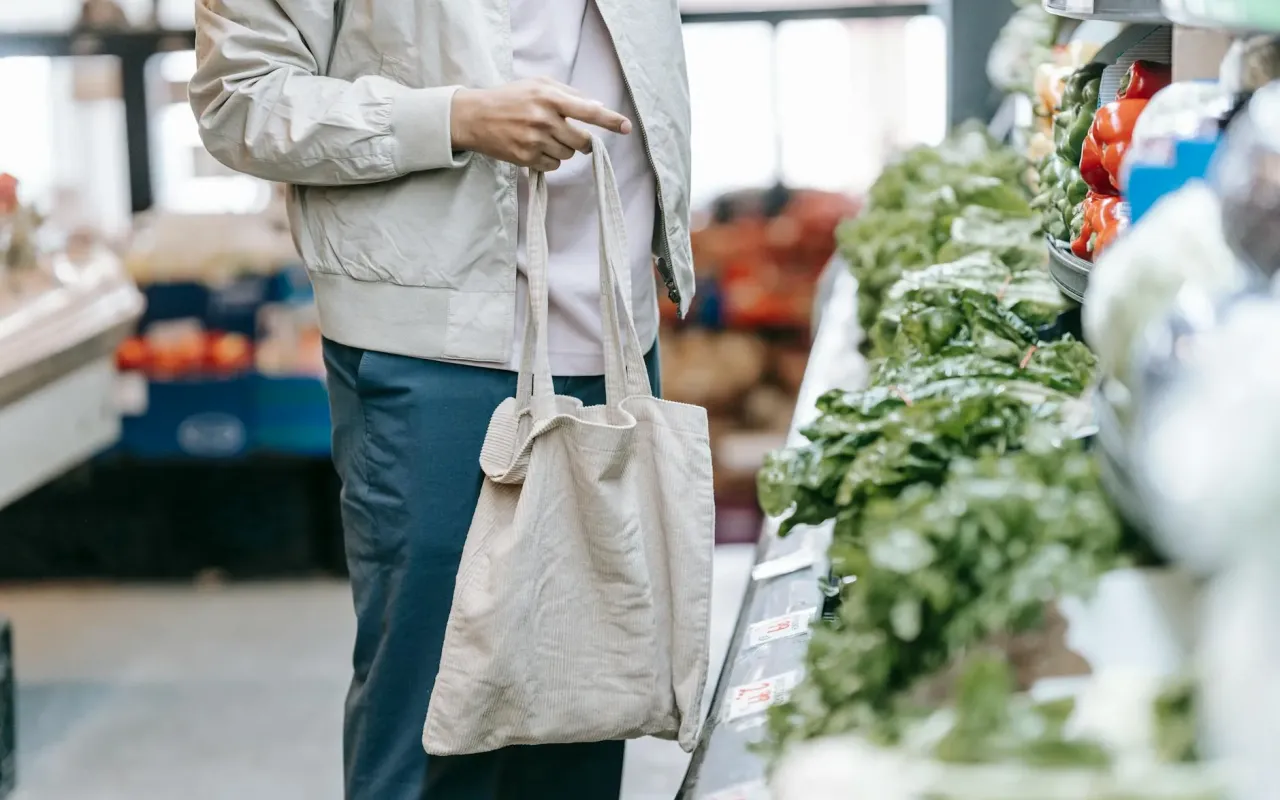
Walking into a store unprepared means defaulting to single-use everything. Assemble a small kit that lives in your car or by your door. The core items are reusable shopping bags (keep a foldable one in your purse or glove compartment), produce bags (mesh or cotton), and containers for the deli or meat counter.
Many butcher counters and seafood departments will happily place your order directly into your clean container, bypassing the plastic wrap and styrofoam tray entirely. It feels awkward the first time, but just ask politely: "Are you able to tare and use my container?" Most stores are accustomed to this now. This simple act prevents non-recyclable packaging from entering your home and the landfill.
Decoding the Aisles: Smart Choices from Produce to Pantry
Now, you're in the store, list in hand, kit at the ready. This is where your plan meets practice. In the produce section, your biggest lever is choosing loose, unpackaged fruits and vegetables. Yes, even if those pre-wrapped three-pack peppers are on "sale." The plastic film on cucumbers and apples is often unnecessary and rarely recyclable. If you need a small amount of something like green beans or mushrooms, use your produce bag instead of the plastic roll provided.
When it comes to pantry staples, think bulk. The bulk bins are a sustainability goldmine. You can buy exactly the amount of rice, oats, nuts, or spices you need, eliminating both food and packaging waste. Bring your own bags or jars (get the tare weight marked at the customer service desk first). For shelf-stable items like pasta, sauce, and beans, opt for cardboard, glass, or metal packaging over plastic when possible, as these materials have much higher recycling rates and can be endlessly reprocessed.
For dairy and alternatives, size and material matter. A large tub of yogurt generates less packaging waste than several single-serve cups. If you have the choice, paper cartons are often preferable to plastic tubs. And consider the plant-based aisle; swapping in oat milk or soy yogurt occasionally can significantly lower the carbon and water footprint of your cart, as plant-based production generally requires fewer resources than dairy.
Actionable strategy: Play the "packaging audit" game. As you place an item in your cart, note its packaging. Can you find a similar item with less or more sustainable packaging next time? This builds awareness without pressure.
The Meat and Seafood Conundrum
Animal products are typically the most resource-intensive items in our carts. The most impactful choice is to simply eat less of them. Embrace "flexitarian" habits by designating a few meatless days each week. When you do buy meat, poultry, or seafood, quality and sourcing trump quantity. Look for certifications like Animal Welfare Approved or Marine Stewardship Council (MSC) for seafood. Buying from the service counter with your container often provides access to better-sourced options than the pre-packaged aisle.
Beyond the Supermarket: Expanding Your Sustainable Sources
While supermarkets are convenient, some of the most sustainable food comes from outside their doors. Farmers' markets create a direct line from the grower to you. The food is hyper-local, seasonal, and typically uses minimal to no packaging. You can ask the farmer directly about their growing practices. Community Supported Agriculture (CSA) boxes are a fantastic commitment to local farms. You pay a subscription and receive a weekly box of whatever is freshly harvested, which encourages culinary adventure and guarantees peak-season produce.
Don't overlook ethnic grocery stores and local co-ops. They often have extensive bulk sections, unique loose produce, and a focus on community over corporate packaging. Even online grocery services can be leveraged sustainably. Services like Loop (where available) deliver staples in reusable containers that you return for a refund. Some standard delivery services allow you to opt for minimal packaging or bagless delivery.
The goal isn't to abandon the supermarket but to diversify your sources. Integrating even one alternative source into your monthly routine can dramatically cut down on packaging, support your local economy, and introduce you to fresher, more flavorful food.
Try this: Commit to one farmers' market trip per month. Challenge yourself to build a meal entirely from your market haul. The taste of a sun-ripened, locally-grown tomato will redefine "fresh" for you.
Navigating the Greenwash: Labels, Certifications, and Truth
The grocery aisle is a minefield of marketing. Terms like "natural," "green," and "eco-friendly" are largely unregulated and meaningless. To make truly informed choices, you need to know which labels actually mean something. Look for third-party, independent certifications that have clear, verifiable standards.
For produce, USDA Organic is a regulated standard prohibiting synthetic pesticides and fertilizers. Fair Trade Certified ensures farmers and workers received fair prices and wages. For seafood, the Marine Stewardship Council (MSC) blue fish label indicates sustainable, wild-caught fish, while Aquaculture Stewardship Council (ASC) covers responsibly farmed fish. For forest products like paper or even some sugars, the Forest Stewardship Council (FSC) logo is key.
Remember, the most sustainable option often has no label at all: the loose, seasonal, local carrot. When in doubt, prioritize minimal processing and minimal packaging. A bag of pre-cut "organic" broccoli florets in a plastic clamshell is often a less sustainable choice than a whole, conventional head of broccoli without the bag.
Your cheat sheet: Download the Seafood Watch app from the Monterey Bay Aquarium for sustainable seafood guidance. For other labels, a quick phone search for "[Label Name] + certification standards" can clarify its true meaning before you buy.
Making It Stick: Building Habits That Last
Sustainability is a marathon, not a sprint. If you try to change every habit overnight, you'll burn out. The key is consistency over perfection. Celebrate your wins, no matter how small. Got your coffee in a reusable mug all week? That's a win. Remembered your bags at the store? Another win. These actions compound.
Involve your household. Make it a game with kids to find the item with the least packaging. Talk to your partner about why you're bringing containers to the deli. Shared understanding builds shared commitment. Allow yourself grace. If you forget your bags and have to take plastic, don't beat yourself up. Just note what went wrong (bags still in the car?) and systemize a fix for next time.
Track your progress in a way that motivates you. Maybe it's the money saved from reduced food waste or the decreasing number of trash bags you put out each week. Seeing the tangible benefits in your own life is the strongest motivator to keep going. Your sustainable grocery journey will evolve, and that's okay. What matters is that you started and that you keep moving forward, one thoughtful choice at a time.
Final, lasting tip: Conduct a monthly "trash audit." Look at what's in your kitchen garbage. Is it full of plastic wrappers? Food scraps? Let that visual guide your focus for the next month's improvements, turning observed waste into actionable insight.