DOJ antitrust trial against Live Nation begins. Follow the case that could reshape the concert industry, with claims of monopoly and a broken market.
- March 8, 2026
AceShowbiz - The long-awaited antitrust trial against concert giant Live Nation, initiated by the Department of Justice (DOJ), began this week with intense opening statements, a spotlight on a problematic Taylor Swift ticket presale, and allegations of threats made to a Brooklyn venue.
Billboard is providing a weekly summary of the major developments in this DOJ case accusing Live Nation of monopoly practices in the live music industry. The trial, expected to last about six weeks, has the potential to reshape the concert business landscape.
Nearly two years after the DOJ's initial complaint, the jury heard opening statements on March 3. Government attorney David Dahlquist described the live concert market as "broken" and dominated by Live Nation. In response, Live Nation's lawyer David Marriott argued that the government selectively presented evidence and that the industry today is "more competitive than ever."
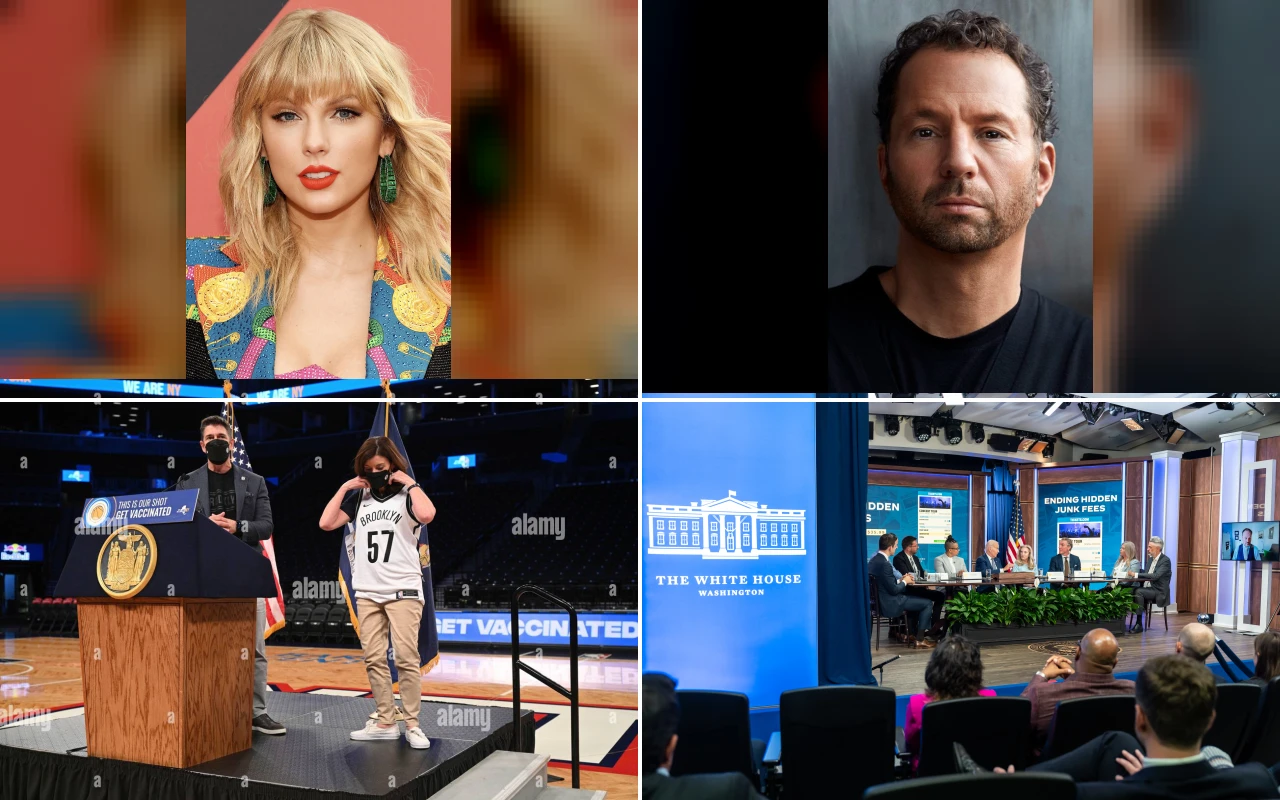
A major point of contention centered on the 2022 presale for Taylor Swift's Eras Tour, which was marred by widespread website outages and sparked consumer outrage against Ticketmaster, a subsidiary of Live Nation. The DOJ used this incident to demonstrate Live Nation’s alleged lack of incentive to maintain quality customer service, with Dahlquist stating, "Their technology is held together by duct tape." Live Nation countered by blaming unprecedented web traffic and cyberattacks for the failure, insisting no one could have managed the presale better under the circumstances.
The government’s first witness was John Abbamondi, former CEO of the Barclays Center in Brooklyn, who testified that Live Nation CEO Michael Rapino threatened to withhold top artists if the venue switched from Ticketmaster to rival ticketing service SeatGeek. A recorded phone call was played in court where Rapino warned that it would be "tough to deliver concerts" at Barclays and suggested that concerts might instead be booked at the nearby UBS Arena on Long Island. According to Abbamondi, he understood these remarks as a "threat."
After Barclays chose SeatGeek, Abbamondi testified that the venue experienced a noticeable drop in shows, including a Billie Eilish concert that was moved to UBS Arena. He said, "We saw a dramatic decline in shows booked at the arena."
During cross-examination, Marriott questioned Abbamondi’s knowledge of why certain acts were diverted, pointing out that other Barclays executives had concerns about SeatGeek. He also probed Abbamondi’s personal connections to SeatGeek, with Abbamondi admitting he had many friends and colleagues affiliated with the company.
Jack Groetzinger, founder of SeatGeek, also testified this week. He told jurors that SeatGeek offers "retaliation insurance" to venues worried about consequences from Live Nation. However, Marriott challenged Groetzinger’s credibility, portraying him as a competitor with vested interests who helped trigger the lawsuit. Marriott cited an email from a Barclays executive expressing concerns about "perception issues" related to SeatGeek’s technology and business practices.
Additional witnesses included Jay Marciano, CEO of AEG Presents; Marc Geiger of Gate 52, which provides services for independent venues; Mitch Helgerson, chief revenue officer of the NHL’s Minnesota Wild; and promoter and venue owner Seth Hurwitz.
Hurwitz, who previously engaged in legal disputes with Live Nation, acknowledged the company’s dominance in the industry but denied ever being threatened by them. In fact, he praised Ticketmaster’s performance, saying, "They do a great job."
The DOJ’s central argument in the case is that Live Nation coerces venues into exclusive contracts with Ticketmaster and uses threats to steer concerts away from venues that choose rival ticket sellers. The Barclays Center episode is a cornerstone example for the government, highlighting both overt threats and the real-world impact of losing shows, which allegedly forced the venue back to Ticketmaster.
The DOJ hopes that the testimonies of Abbamondi and Groetzinger will convince the jury of this coercion. Conversely, Live Nation aims to undermine these witnesses’ credibility through cross-examination, portraying them as biased or self-interested, thus weakening the government's case.
As the trial progresses, observers will be watching closely to see whether the evidence presented supports claims of monopolistic practices or confirms Live Nation’s stance that the live music market remains competitive despite the company’s prominence.