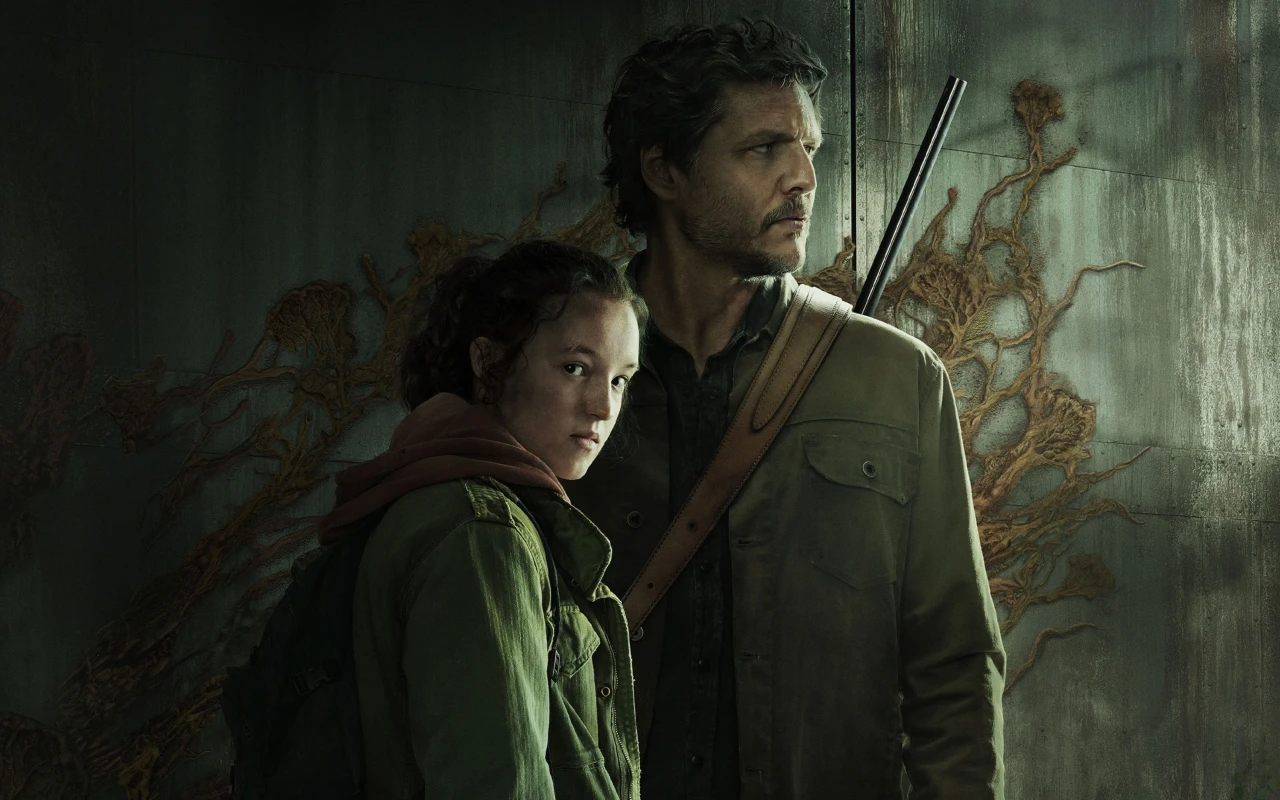
Explore how The Last of Us surpasses typical zombie shows by focusing on profound character depth and emotional storytelling over monster mayhem.
- March 4, 2026
AceShowbiz - The Last of Us arrived on screens as a refreshing take on post-apocalyptic television, setting itself apart from previous zombie shows by focusing intensely on character depth and emotional storytelling. While many credit The Walking Dead for revitalizing the zombie genre on TV, The Last of Us arguably surpassed it by innovating the way zombies and human narratives intertwine.
The show draws inspiration from the terrifying cordyceps fungus, creating uniquely horrifying zombies that range from the sound-sensitive Clickers to the nearly invincible Bloaters. However, despite the impressive design and chilling presence of these monsters, the series deliberately limits their screen time in favor of exploring the human experience in a devastated world.
This creative decision proves to be a masterstroke. The core strength of The Last of Us lies in its exceptional character writing, which quickly builds empathy and attachment for its cast. Episodes like season 1’s Long, Long Time stand out as powerful character studies with minimal zombie involvement, yet they never feel like filler. Instead, these installments emphasize emotional resonance and nuanced relationships that drive the series forward.
The show's emphasis on human connections also highlights the darker side of humanity. Characters such as David, featured in the episode When We Are In Need, reveal that the real monsters may sometimes be people themselves, reinforcing the show's consistent tone that blends horror with psychological depth.
Season 2 of The Last of Us shifts gears by dramatically increasing zombie-related action and violence. The undead sequences become more relentless and intense, with episodes like Through The Valley delivering a mix of high-octane thrills and emotional weight. However, this heavier focus on zombie combat led to a divided audience response.
Though the series maintains an impressive 96% positive rating on Rotten Tomatoes, there is a notable discrepancy between critics and viewers. Season 1 earned an 86% audience approval, but season 2 saw this figure plunge to 37%. Many viewers felt that the emotional core of the story, especially the impactful death scenes originally from the video game, was overshadowed by the increased action and uneven pacing.
Ultimately, what makes The Last of Us truly groundbreaking is its decision to sideline the zombies and instead highlight the human stories at the heart of the apocalypse. The show made significant adaptations from the source material, reshaping characters and narratives — such as the poignant reimagining of Bill and Frank’s story — to deepen the emotional engagement.
This character-centric approach enables the audience to form genuine connections with the protagonists. The brief but powerful presence of Sarah, whose death leaves a lasting impact, and the brutal fate of Joel, mirroring the video game’s iconic moment, exemplify the series’ ability to blend heartbreak with storytelling.
With its unique balance of horror and humanity, The Last of Us has redefined the zombie genre on television. Its ongoing development into season 3 promises to continue this innovative blend of emotional depth and post-apocalyptic survival.
The Last of Us premiered on January 15, 2023, airing on HBO with Craig Mazin as showrunner. The series has set a new standard for zombie TV by proving that the most compelling monsters are often the people themselves.