Stop guessing about gut health. Learn the specific foods that nourish your microbiome and the simple swaps that can transform your digestion.
- March 25, 2026
Your Gut is Talking. Are You Listening?
You know that feeling. It's 3 PM, and a wave of bloating hits you like a lead balloon after what seemed like a healthy lunch. Or maybe you're riding an energy rollercoaster, feeling inexplicably foggy, and your skin is staging a rebellion. We often treat these as isolated annoyances, but there's a good chance they're all connected to a bustling, hidden world inside you: your gut microbiome.
This isn't just about avoiding stomach aches. Your digestive tract is home to trillions of bacteria, fungi, and viruses—collectively weighing about as much as your brain. This complex ecosystem doesn't just process food. It communicates directly with your immune system, influences your mood via the gut-brain axis, and even helps regulate inflammation. When it's out of balance, the entire system can go haywire.
Think of your gut like a garden. You can't just throw any seed in the soil and hope for the best. You need to cultivate the right environment for the good plants (your beneficial bacteria) to thrive and crowd out the weeds (the harmful microbes). The food you eat is your primary gardening tool. It's the most direct, powerful way to send a message to your inner ecosystem about what you want it to do.
Forget Fads: The Core Principles of a Gut-Friendly Diet
Before we dive into specific "superfoods," let's establish the non-negotiable ground rules. A gut-healthy diet isn't a restrictive 30-day cleanse; it's a sustainable way of eating built on a few foundational pillars. These principles create the stable environment your microbiome needs to do its best work.
First, diversity is king. Research consistently shows that people with a wider variety of plant foods in their diet have healthier, more resilient gut microbiomes. Aiming for 30 different plant-based foods per week is a fantastic, research-backed goal. This doesn't mean 30 different fruits and vegetables—it includes nuts, seeds, legumes, whole grains, herbs, and spices. Each type of plant fiber feeds a slightly different set of beneficial bacteria.
Second, think in terms of addition, not just subtraction. Instead of obsessing over cutting out "bad" foods, focus on crowding them out by consistently adding in the good. When your plate is full of fibrous, fermented, and phytonutrient-rich foods, there's simply less room and desire for the ultra-processed stuff that can disrupt your gut lining.
Actionable Takeaway: This week, try the "Plant Point" challenge. Keep a simple tally of every different plant-based food you eat. A sprinkle of flaxseed on your oatmeal, a handful of almonds, the basil in your pasta sauce—they all count. See if you can hit 20 different types by Friday. It's a game that makes diversity tangible and fun.
Why Fiber is Your Gut's Best Friend (And Where to Find It)
If your gut bacteria had a love language, it would be fiber. Specifically, prebiotic fiber. This is the indigestible part of plant foods that travels to your colon, where your good bacteria ferment it. This fermentation process produces short-chain fatty acids (SCFAs), like butyrate, which are like premium fuel for the cells lining your colon, reducing inflammation and strengthening your gut barrier.
There are two key types to know. Soluble fiber dissolves in water, forming a gel that slows digestion and helps regulate blood sugar. You'll find it in oats, barley, apples, citrus fruits, carrots, and legumes like lentils and chickpeas. Insoluble fiber adds bulk to stool and helps things move along. Think whole wheat bran, nuts, beans, and vegetables like cauliflower and green beans.
The problem? Most of us are chronically deficient. The recommended daily intake is 25-38 grams, but the average person gets barely half that. A sudden, massive increase can cause gas and bloating, so the key is to ramp up gradually and drink plenty of water.
The Power Players: Foods That Actively Heal and Nourish
Now, let's get specific. While a diverse, fiber-rich diet forms the bedrock, certain foods act like special forces for your gut. These are the items you want to make regular guests at your table because they deliver concentrated benefits.
Fermented foods are the rockstars of gut health. Through the process of fermentation, live beneficial bacteria (probiotics) are created. Regular consumption introduces these friendly microbes directly to your system. Options like plain, unsweetened yogurt with live cultures, kefir, sauerkraut, kimchi, kombucha, and miso are fantastic. A 2021 study from Stanford found that a diet high in fermented foods increased microbiome diversity and significantly reduced markers of inflammation.
Next, embrace polyphenol powerhouses. Polyphenols are antioxidant compounds found in plants that your gut bacteria love to feast on. They promote the growth of beneficial bacteria like *Bifidobacteria* and *Lactobacillus*. Excellent sources include deeply colored berries (blueberries, blackberries), dark chocolate (85% cacao or higher), green tea, olives, extra virgin olive oil, and even coffee and red wine in moderation.
Actionable Takeaway: Pick one new fermented food to try this month. If yogurt is your go-to, experiment with a tablespoon of sauerkraut on your avocado toast or a small glass of plain kefir as a snack. Start small to allow your system to adjust.
Foods That Can Disrupt Your Gut Harmony
Just as some foods build up your gut garden, others can trample it. This isn't about creating a list of forbidden foods you can never touch again. It's about understanding the impact so you can make informed choices and notice how your body responds.
Highly processed foods are the primary culprit. These are items with long ingredient lists full of additives, emulsifiers (like polysorbate-80 and carboxymethylcellulose), and artificial sweeteners. Studies suggest some emulsifiers can degrade the protective mucus layer in your gut and increase inflammation, potentially contributing to "leaky gut." Artificial sweeteners like aspartame and sucralose may negatively alter gut bacteria composition.
Excessive added sugars and refined carbohydrates are also problematic. A diet high in these feeds less desirable bacteria and yeast (like *Candida*), allowing them to outcompete the beneficial ones. This can lead to dysbiosis, an imbalance linked to bloating, cravings, and low-grade inflammation. The goal isn't perfection, but awareness.
Building Your Plate: A Day of Gut-Friendly Eating
Let's translate theory into practice. What does this actually look like on a daily basis? It's simpler than you might think, and it doesn't require exotic ingredients or hours in the kitchen.
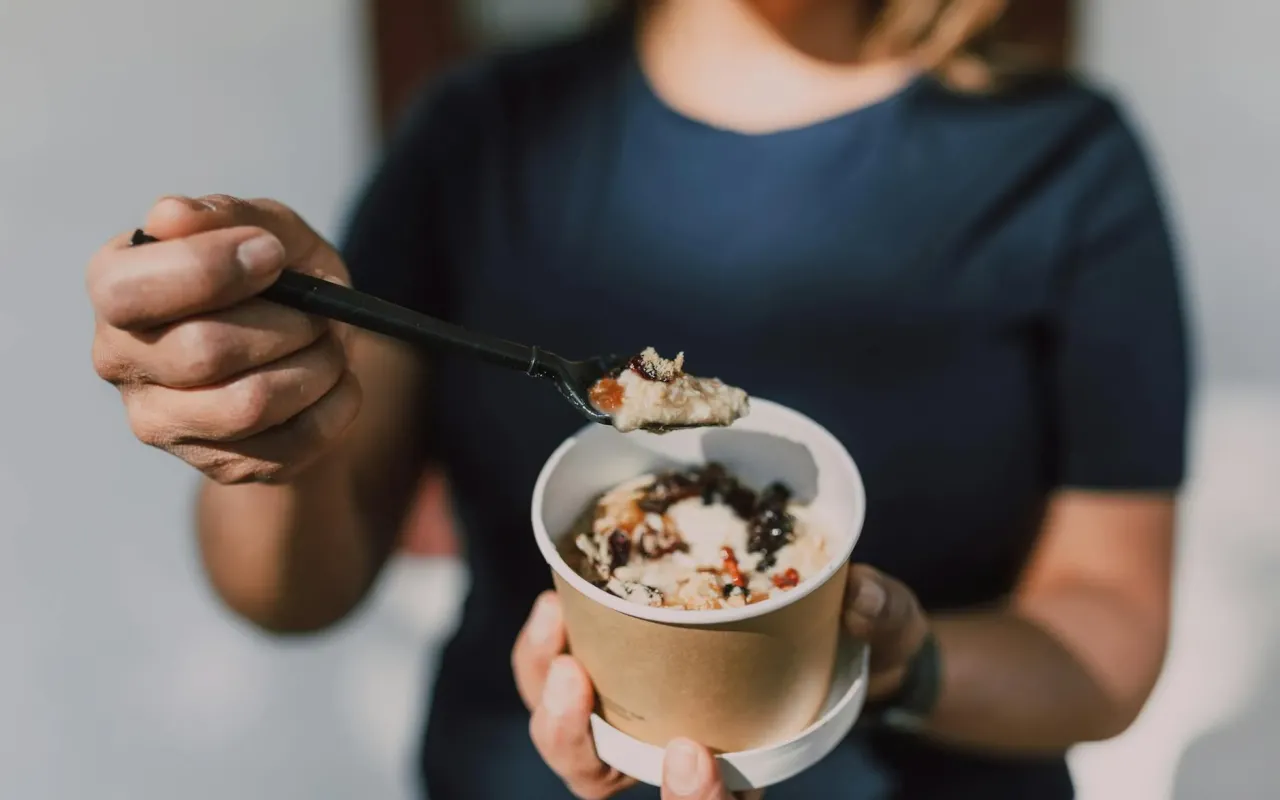
Breakfast: Ditch the sugary cereal. Opt for a bowl of old-fashioned oats topped with a mixed berry compote (for polyphenols and fiber) and a tablespoon of ground flaxseed or chia seeds (for soluble fiber and omega-3s). Alternatively, try a plain Greek yogurt parfait with layers of yogurt, sliced kiwi or banana, and a sprinkle of walnuts.
Lunch: Think big, colorful salads or hearty bowls. A base of mixed greens, quinoa, roasted chickpeas (fiber and protein), shredded carrots, red cabbage, and avocado, dressed with a simple olive oil and lemon juice vinaigrette, covers multiple food groups and fiber types. Add a side of kimchi for a probiotic kick.
Dinner: Focus on a generous portion of non-starchy vegetables, a lean protein, and a fiber-rich carb. For example, baked salmon (rich in omega-3s, which are anti-inflammatory) with a large side of roasted asparagus and broccoli, and a serving of lentil pasta or sweet potato.
Snacks & Hydration: Keep snacks simple: a handful of almonds, an apple with a tablespoon of almond butter, or sliced bell peppers with hummus. And never underestimate water. Adequate hydration is crucial for fiber to do its job properly and keep everything moving smoothly.
Actionable Takeaway: Plan one meal this week using the "50% Plate Rule." Fill half your plate with non-starchy vegetables (like leafy greens, broccoli, peppers), one-quarter with lean protein, and one-quarter with a fiber-rich complex carb (like beans, quinoa, or sweet potato). This visual guide ensures balance.
Beyond Food: Lifestyle Factors That Influence Your Gut
While diet is the most powerful lever, your gut health doesn't exist in a vacuum. Several lifestyle factors play supporting roles, and ignoring them can undermine even the best dietary efforts.
Chronic stress is a major gut disruptor. When you're stressed, your body diverts energy and resources away from "non-essential" functions like digestion. It can alter gut motility (leading to constipation or diarrhea), increase intestinal permeability, and change the composition of your microbiome. Incorporating daily stress-management practices—even 10 minutes of meditation, deep breathing, or a walk in nature—can have a measurable positive impact.
Sleep is non-negotiable repair time. Poor or insufficient sleep is linked to less diversity in your gut bacteria and can increase cravings for sugary, high-fat foods. Aim for 7-9 hours of quality sleep per night to give your gut (and the rest of you) time to restore and rebalance.
Finally, move your body regularly. Exercise increases the diversity of your gut microbes and promotes the growth of bacteria that produce beneficial SCFAs. You don't need to train for a marathon; consistent, moderate activity like brisk walking, cycling, or yoga is perfectly effective.
Listening to Your Body's Signals
Embarking on a gut-health journey requires you to become a detective of your own body. The "perfect" diet on paper may not be perfect for *you*. Food intolerances, conditions like SIBO (Small Intestinal Bacterial Overgrowth), or individual microbiome makeup mean that one person's superfood is another person's trigger.
Start by making one or two consistent changes, like adding a daily probiotic food and increasing your vegetable intake at lunch. Pay attention. Keep a simple journal noting what you eat, your energy levels, your mood, your digestion, and even your skin. Patterns will emerge over a few weeks.
If you experience significant, persistent issues like severe bloating, pain, or changes in bowel habits, it's crucial to consult a healthcare professional, such as a gastroenterologist or a registered dietitian who specializes in gut health. They can help rule out underlying conditions and provide personalized guidance.
Actionable Takeaway: Practice mindful eating for one meal today. Sit down without screens, chew your food thoroughly, and pay attention to flavors and textures. This simple act improves digestion by signaling to your body to enter "rest and digest" mode and can help you better tune into how foods make you feel.
Transforming your gut health is a commitment to nurturing the foundation of your overall well-being. It's a gradual process of feeding the trillions of tiny allies within you, who in turn, work tirelessly to support your energy, immunity, and vitality. By focusing on abundance, diversity, and consistency, you're not just eating for a flatter stomach—you're cultivating resilience from the inside out.