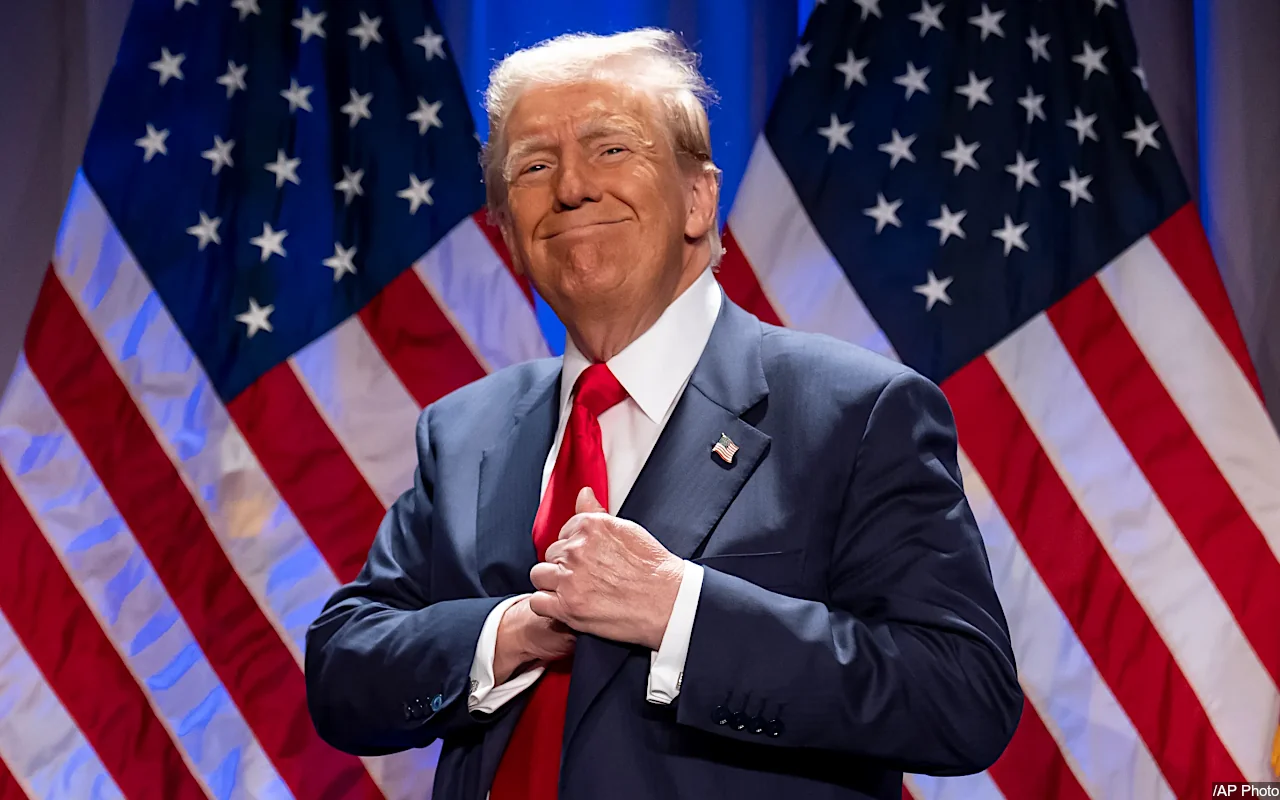
Disney's swift move to settle President-elect Donald Trump's defamation lawsuit against ABC News has sparked intense debate and raised questions about the future of press freedom.
- December 19, 2024
AceShowbiz - Disney's decision to settle Donald Trump's defamation lawsuit against ABC News for $15 million was prompted by several concerns, as reported by The New York Times. Chief among these concerns was the fear that the vindictive president-elect would pursue the legal battle to the Supreme Court. Disney apprehended that this scenario could become a vehicle for Trump and his allies to challenge the landmark First Amendment decision in New York Times v. Sullivan, which made it difficult for public figures to win libel lawsuits.
Before the case could reach the Supreme Court, Disney also harbored doubts about its chances of prevailing in Florida, where the lawsuit was filed. In July, Magistrate Judge Lisette Reid indicated that Trump had a viable case after ABC News anchor George Stephanopoulos repeatedly stated on air that Trump had been "liable for rape" in a civil case brought against him by E. Jean Carroll. In reality, Trump was found liable for sexual abuse, which has a different legal definition in New York.
To further justify the settlement, Disney cited additional concerns, including Trump's ongoing animosity and the potential risk to its ability to cover his administration. The company worried that allowing the case to proceed could create an ugly legal battle that would damage the reputation of the fourth estate and its own brand, which is closely associated with family entertainment.
While some media critics denounced the settlement as an awful precedent, Disney executives maintained that they had a flawed case and were wary of jeopardizing press protections by continuing to fight. They also feared that a Florida jury, located in Trump's backyard, could sympathize with the president-elect and potentially award higher damages.
Disney's general counsel, Horacio Gutierrez, recommended the settlement, which was approved by CEO Bob Iger but not voted on by the company's board. In addition to the $15 million compensation, Disney also agreed to issue a statement expressing regret over the error.