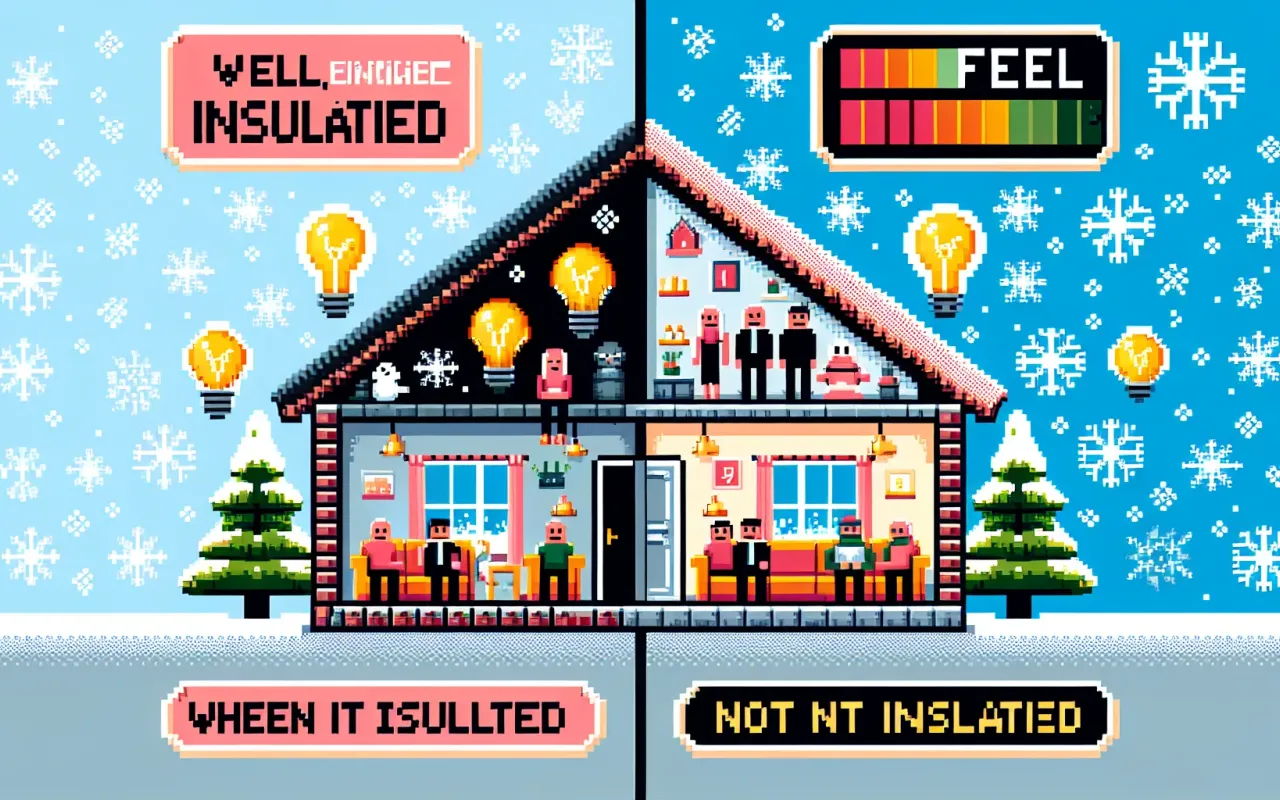
Learn about the importance of proper home insulation for boosting comfort and energy efficiency. Get expert insights and tips to make your home more energy-efficient and comfortable.
- November 30, 2024
Introduction
Home insulation is a crucial aspect of creating a comfortable living environment and enhancing energy efficiency. Proper insulation can significantly affect the temperature regulation, energy consumption, and overall comfort of your home. In this article, we will delve into the importance of proper home insulation, its benefits, and the key areas in your home that require insulation.
What is Home Insulation?
Home insulation involves installing materials that reduce heat transfer between the inside and outside of a house. This process helps maintain desired indoor temperatures year-round, making your home warmer in the winter and cooler in the summer. Common insulation materials include fiberglass, cellulose, foam, and reflective barriers.
The Benefits of Proper Home Insulation
Energy Efficiency
One of the primary benefits of proper home insulation is increased energy efficiency. Insulated homes require less energy to heat and cool, leading to significant savings on utility bills. According to the U.S. Department of Energy, homeowners can save up to 15% on heating and cooling costs by properly insulating their homes.
Enhanced Comfort
Insulation helps maintain a consistent indoor climate, reducing temperature fluctuations and drafts. This enhanced comfort makes living spaces more enjoyable and can improve overall resident well-being.
Environmental Impact
Reducing energy consumption through proper insulation lessens the environmental impact of a home. Lower energy use means fewer greenhouse gas emissions, contributing to the fight against climate change.
Noise Reduction
Insulation also acts as a sound barrier, reducing the amount of noise that enters or leaves a home. This feature is particularly beneficial for homes located in busy urban areas or near noisy environments.
Increased Home Value
A well-insulated home is a valuable asset. Prospective buyers are often willing to pay more for homes with effective insulation due to the recognized cost savings and comfort it provides.
Key Areas to Insulate in Your Home
Attic Insulation
The attic is one of the most critical areas for insulation. Heat rises, and without proper insulation, a significant amount of heat can be lost through the roof. Adding insulation to the attic floor and roof can help retain heat during the winter and keep the home cooler in the summer.
Wall Insulation
Insulating the walls of your home is essential for preventing heat loss and maintaining indoor temperatures. This can be done through various methods, such as blown-in insulation or insulating wall cavities during construction.
Floor Insulation
Insulating the floors, especially above basements or crawl spaces, can prevent heat loss and cold drafts. This step is particularly important for older homes where floor insulation might be lacking.
Windows and Doors
Windows and doors are common sources of heat loss due to gaps and cracks. Installing energy-efficient windows and weatherstripping around doors can significantly reduce drafts and improve insulation.
Basement and Crawl Space Insulation
Insulating basements and crawl spaces can help regulate the temperature throughout the home. These areas can experience significant heat loss if left uninsulated, impacting the overall energy efficiency of the house.
Types of Home Insulation
Fiberglass Insulation
Fiberglass insulation is one of the most common types used in homes. It is made from fine glass fibers and is available in batts, rolls, and loose-fill options. It is fire-resistant and has good thermal performance.
Cellulose Insulation
Cellulose insulation is made from recycled paper products and is treated with fire retardants. It is eco-friendly and provides excellent thermal performance and soundproofing properties.
Foam Insulation
Foam insulation includes spray foam and rigid foam boards. Spray foam is ideal for sealing gaps and hard-to-reach areas, while rigid foam boards are used for insulating walls, roofs, and foundations. Foam insulation provides high R-values and superior air sealing.
Reflective Insulation
Reflective insulation, often installed in attics, reflects radiant heat away from living spaces. It is particularly effective in hot climates where it reduces the amount of heat entering the home.
Steps to Improve Home Insulation
Conduct an Energy Audit
Hiring a professional to conduct an energy audit can help identify areas in your home that need insulation. An audit will provide detailed information on energy use and losses, guiding you on where improvements are necessary.
Seal Air Leaks
Before adding insulation, it is essential to seal air leaks around windows, doors, and other openings. Caulking and weatherstripping are simple yet effective methods to reduce drafts and enhance insulation.
Choose the Right Insulation Material
Selecting the appropriate insulation material based on your home's specific needs is crucial. Consider factors such as climate, existing insulation, and budget when choosing the type of insulation.
Hire a Professional
While some insulation projects can be DIY, hiring a professional ensures the job is done correctly and efficiently. Professionals have the expertise and tools necessary to install insulation properly and safely.
Maintain and Monitor
Regularly inspect and maintain your home's insulation to ensure it remains effective. Over time, insulation can degrade or become less effective, so monitoring its condition is essential for sustained energy efficiency.
Conclusion
Proper home insulation is vital for enhancing comfort, energy efficiency, and the overall value of your home. By understanding the importance of proper home insulation and taking proactive steps to improve it, you can enjoy a more comfortable living environment, lower energy bills, and contribute to a healthier planet. Whether you choose to insulate your attic, walls, floors, or other key areas, investing in quality insulation will provide long-term benefits for you and your family.