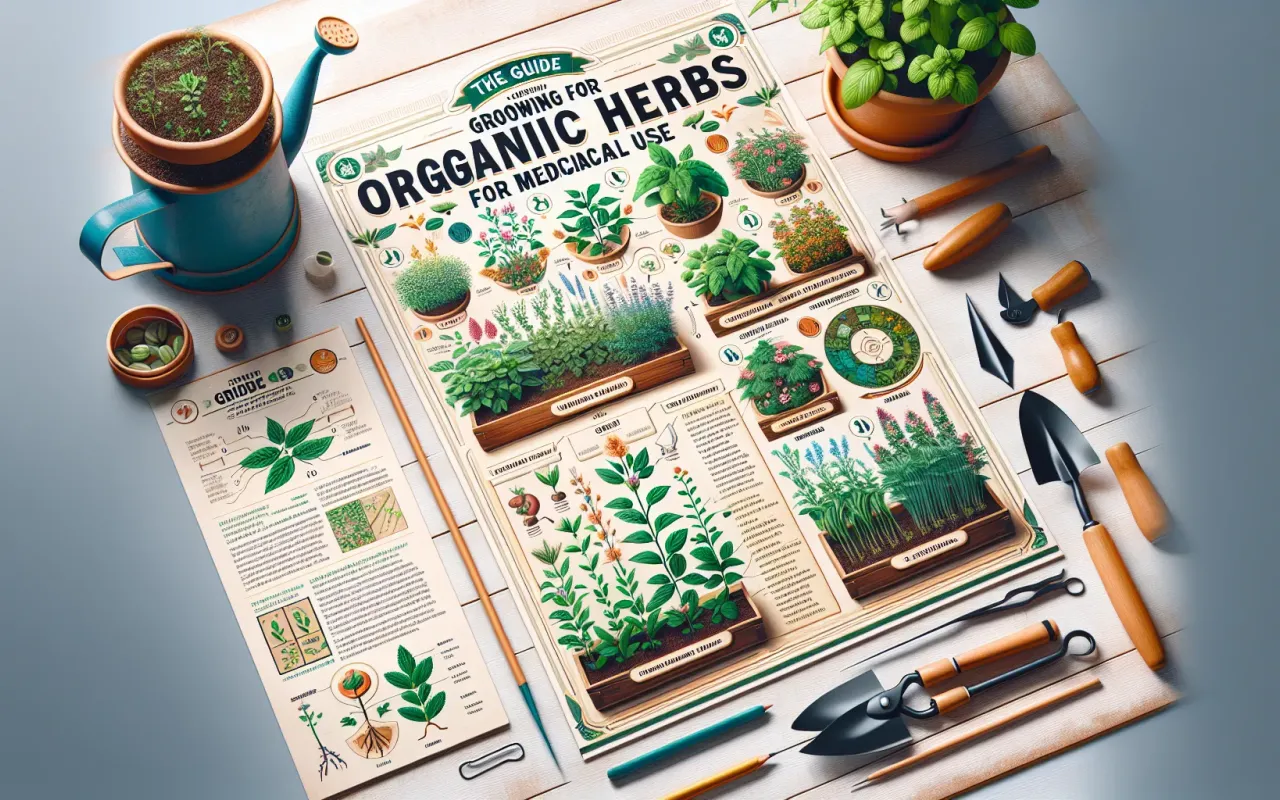
Learn how to start growing organic herbs for medicinal use with our comprehensive guide. Discover tips, techniques, and best practices for healthy, effective herb cultivation.
- November 29, 2024
Growing organic herbs for medicinal use is a rewarding and practical way to harness the healing power of nature. This guide will provide you with essential tips and techniques to cultivate your own medicinal herb garden successfully.
Introduction to Growing Organic Herbs for Medicinal Use
Herbs have been used medicinally for centuries and offer a natural alternative to many synthetic medications. By growing your own organic herbs, you ensure that they are free from harmful pesticides and chemicals, making them safer and more effective in treating a variety of ailments.
In this guide, we'll explore the benefits of growing organic herbs, basic gardening principles, and specific techniques to optimize your herb garden for medicinal use.
Benefits of Growing Organic Herbs
Health and Purity
Organic herbs are free from harmful pesticides and chemicals, making them safe for consumption and medicinal applications. They retain higher nutrient levels, offering more potent therapeutic benefits.
Cost-Effectiveness
Growing your own herbs can significantly reduce the cost of purchasing high-quality medicinal herbs. Additionally, a home herb garden can lower your reliance on over-the-counter medications, leading to further savings.
Sustainability
An organic herb garden supports biodiversity and soil health, reducing the environmental impact compared to conventional farming practices.
Getting Started with Your Medicinal Herb Garden
Choosing the Right Location
Find a location that receives at least 6 hours of direct sunlight daily. Most medicinal herbs thrive in full sun, although some, like mint and lemon balm, prefer partial shade.
Soil Preparation
Ensure that your soil is well-draining and rich in organic matter. You can enhance soil quality by adding compost or well-rotted manure. Testing your soil's pH level is also essential; most herbs prefer a slightly acidic to neutral pH (6.0-7.0).
Choosing Herbs for Medicinal Use
Some popular medicinal herbs to consider for your garden include:
- Echinacea - boosts the immune system and combats infections.
- Chamomile - soothes anxiety and aids digestion.
- Lavender - promotes relaxation and improves sleep.
- Peppermint - relieves headaches and digestive issues.
- Thyme - has antiseptic properties and supports respiratory health.
Proper Planting Techniques
Starting from Seeds or Seedlings
You can start your herbs from seeds or purchase seedlings from a nursery. Starting from seeds is cost-effective but requires more time and patience. Ensure seeds are sown at the correct depth and keep the soil consistently moist until germination.
Spacing and Arrangement
Proper spacing allows for adequate air circulation, reducing the risk of fungal diseases. Follow the specific spacing guidelines for each herb. Group plants with similar water and sunlight requirements together for ease of care.
Companion Planting
Companion planting can enhance growth and protect your herbs from pests. For example, planting basil alongside tomatoes can repel aphids and improve tomato flavor.
Care and Maintenance
Watering
Consistent watering is crucial, especially during dry spells. However, avoid overwatering as herbs are susceptible to root rot. Most herbs prefer soil that is kept evenly moist but not waterlogged.
Mulching
Applying organic mulch, such as straw or wood chips, helps retain soil moisture, suppress weeds, and improve soil quality. Mulch also regulates soil temperature, benefiting the root systems.
Pruning and Harvesting
Regularly prune your herbs to encourage bushy growth and prevent them from becoming leggy. Harvest herbs when they are at their peak to ensure maximum potency. Generally, this is just before the plants begin to flower.
Organic Pest and Disease Management
Natural Pest Control
Attract beneficial insects like ladybugs and lacewings, which prey on harmful pests. You can also make natural repellents using neem oil, garlic, or hot pepper spray.
Disease Prevention
Ensure proper spacing and air circulation to prevent fungal diseases. Remove any diseased foliage promptly to prevent the spread of infection. Crop rotation and using disease-resistant varieties are also effective strategies.
Using Your Medicinal Herbs
Once harvested, herbs can be used fresh or dried for later use. Common preparation methods include:
- Teas: Steep fresh or dried herbs in hot water to extract beneficial compounds.
- Tinctures: Soak herbs in alcohol or vinegar to create concentrated extracts.
- Salves: Combine dried herbs with carrier oils and beeswax for topical applications.
- Capsules: Powder dried herbs and encapsulate them for easy consumption.
Conclusion
Growing organic herbs for medicinal use is not only beneficial for your health but also contributes to a sustainable lifestyle. By following these tips and techniques, you can create a thriving herb garden that serves as a natural remedy source for various ailments.
Start your journey to a healthier, more holistic approach to wellness by cultivating your own organic medicinal herbs.