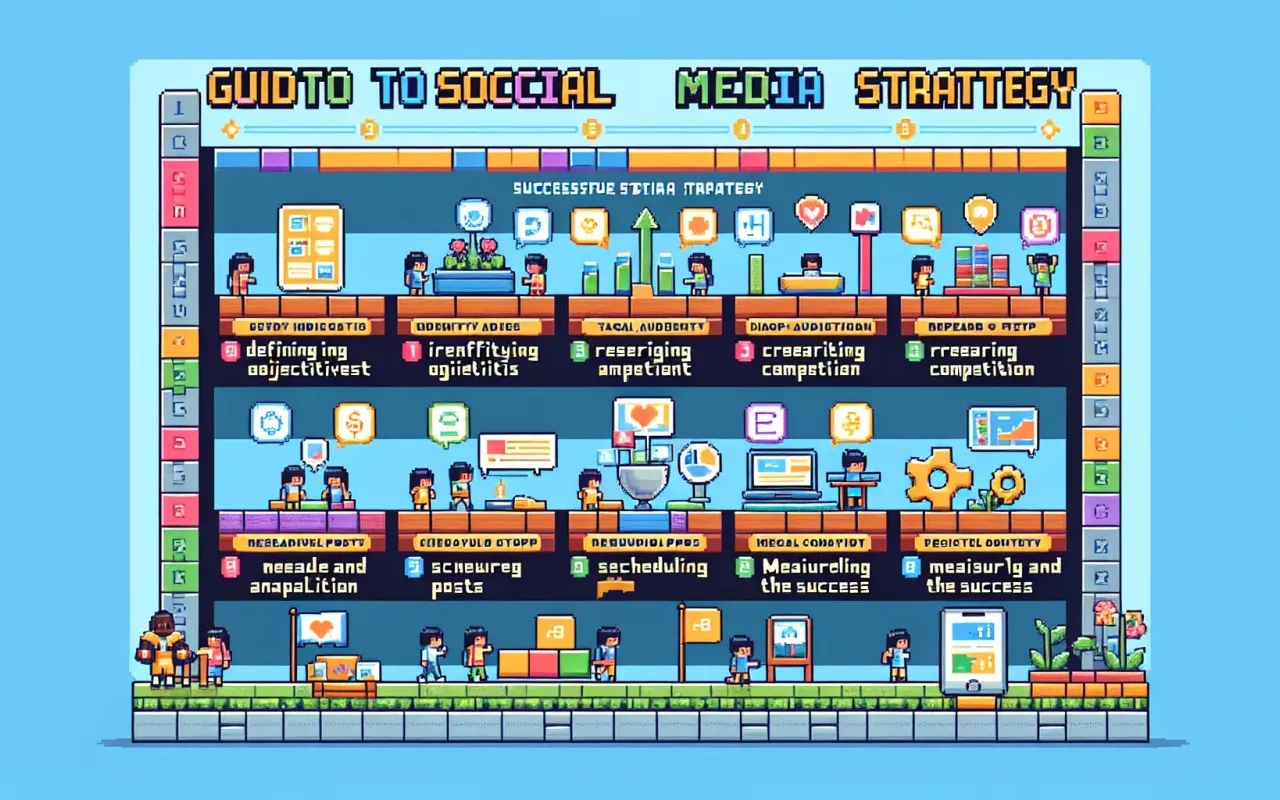
Learn the essential steps to develop a social media strategy that drives engagement, brand awareness, and business growth. Discover a comprehensive guide with practical tips and actionable steps.
- November 27, 2024
AceShowbiz - In today’s digital landscape, social media plays a pivotal role in connecting brands with their audiences. However, to harness its full potential, businesses need a strategic approach. This comprehensive guide outlines the essential steps to develop a social media strategy that drives engagement, brand awareness, and business growth.
Understanding the Basics
Before diving into the steps to develop a social media strategy, it’s important to establish a foundational understanding of social media marketing. This involves knowing your target audience, defining your brand voice, and setting clear objectives.
Step 1: Set Clear and Achievable Goals
Understand Your Objectives
Begin by identifying what you want to achieve with your social media efforts. Whether it’s increasing brand awareness, driving website traffic, or boosting sales, clear goals provide direction and measurable outcomes.
Use the SMART Framework
Ensure your goals are Specific, Measurable, Achievable, Relevant, and Time-bound (SMART). For example, instead of a vague goal like “increase followers,†aim for “gain 1000 new followers in three months.â€
Step 2: Know Your Audience
Conduct Audience Research
Understanding your audience is critical to a successful social media strategy. Use analytics tools, surveys, and market research to gather data on your audience’s demographics, preferences, and online behavior.
Create Buyer Personas
Develop detailed buyer personas that represent your ideal customers. Include information such as age, gender, interests, and pain points to tailor your content effectively.
Step 3: Choose the Right Platforms
Analyze Platform Demographics
Not all social media platforms are created equal. Analyze the demographics of each platform to determine where your target audience spends their time. For instance, Instagram and TikTok are popular among younger users, while LinkedIn caters more to professionals.
Focus on a Few Key Platforms
It’s better to excel on a few platforms than to spread yourself too thin across many. Choose 2-3 platforms that align with your goals and audience, and concentrate your efforts there.
Step 4: Develop Compelling Content
Content Types and Formats
Diversify your content by incorporating various formats such as images, videos, infographics, and blog posts. Engaging and valuable content keeps your audience interested and encourages shares.
Create a Content Calendar
Planning content in advance with a content calendar helps maintain consistency and ensures a steady flow of posts. Include important dates, holidays, and planned campaigns in your calendar.
Step 5: Engage with Your Audience
Foster Two-Way Communication
Engagement is a two-way street. Respond to comments, likes, and shares to build a community around your brand. Promptly addressing queries and feedback enhances trust and loyalty.
Monitor and Participate in Conversations
Use social listening tools to monitor brand mentions and industry-related conversations. Participate actively to position your brand as an industry leader and stay attuned to audience sentiment.
Step 6: Analyze and Adjust
Track Key Metrics
Regularly analyze the performance of your social media efforts by tracking key metrics such as engagement rate, reach, and conversion rate. Tools like Google Analytics and platform-specific insights can provide valuable data.
Adjust Your Strategy
Based on your analysis, adjust your strategy to better meet your goals. This may involve tweaking your content, posting times, or even experimenting with new platforms.
Conclusion
Developing a social media strategy is a dynamic process that requires clear goals, audience understanding, platform selection, compelling content, active engagement, and ongoing analysis. By following these steps, businesses can create a robust strategy that not only connects with their audience but also drives measurable results.
Remember, the digital landscape is ever-evolving. Stay adaptable and continuously refine your approach to keep up with changing trends and audience expectations.