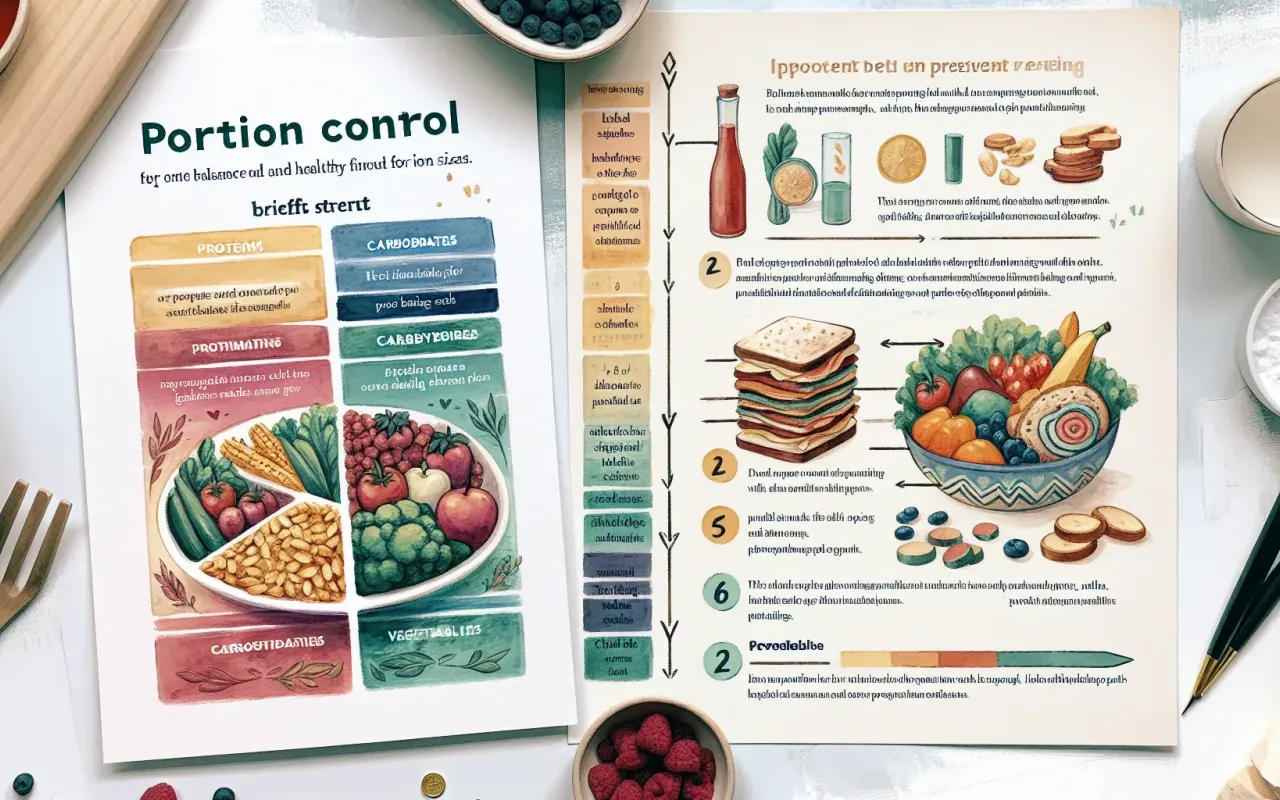
Learn effective strategies on how to use portion control to prevent overeating and maintain a healthy lifestyle.
- November 27, 2024
AceShowbiz - Overeating is a common issue that many people struggle with, often leading to weight gain and various health problems. In this guide, we will discuss how to use portion control to prevent overeating, providing you with practical tips and strategies to maintain a balanced diet and a healthier lifestyle.
Understanding Portion Control
Portion control is the practice of being mindful about the amount of food you consume in one sitting. It involves managing the sizes of your meals to ensure that you are eating enough to satisfy your hunger but not so much that you consume an excessive amount of calories.
Why Portion Control Matters
By implementing portion control, you can:
- Prevent overeating and weight gain
- Maintain a balanced diet
- Improve digestion
- Increase energy levels
- Reduce the risk of developing chronic diseases such as diabetes and heart disease
Tips for Effective Portion Control
Here are some strategies on how to use portion control to prevent overeating:
1. Learn to Read Nutrition Labels
Understanding the nutritional information on food packaging can help you make informed choices about the amount of food you should eat. Pay attention to the serving sizes and the number of servings per package. This information will allow you to gauge whether you are consuming the appropriate portion size.
2. Use Smaller Plates and Bowls
Using smaller plates and bowls can be an effective way to control portion sizes. Studies have shown that people tend to eat less when they use smaller dishware because it makes portions look larger, tricking your brain into feeling satisfied with less food.
3. Measure Your Food
Investing in a food scale and measuring cups can help you accurately portion out your meals. By measuring your food, you can ensure that you are eating the correct serving sizes as recommended by dietary guidelines.
4. Avoid Eating Directly from the Package
Eating snacks directly from the package can lead to mindless overeating. Instead, portion out a single serving size into a bowl or plate to help control your intake and prevent eating more than you intended.
5. Eat Mindfully
Mindful eating involves paying full attention to the experience of eating and drinking. It includes noticing the colors, textures, flavors, and smells of your food. Eating mindfully can help you become more aware of your hunger and fullness cues, which can assist in preventing overeating.
6. Listen to Your Body
Pay attention to your body's hunger and satiety signals. Eating slowly and giving yourself time to feel full can prevent you from consuming more food than necessary. Stop eating when you feel satisfied, not stuffed.
Practical Portion Control Techniques
7. Pre-Portion Your Meals
Prepare your meals in advance and portion them into individual containers. This practice not only saves time but also helps you control portion sizes and avoid the temptation of eating larger quantities.
8. Use Visual Cues
Visualize appropriate portion sizes using common objects:
- A serving of meat or fish (3-4 ounces) is about the size of a deck of cards.
- A serving of cooked pasta or rice (1/2 cup) is roughly the size of a tennis ball.
- A serving of vegetables (1 cup) is about the size of a baseball.
- A serving of cheese (1 ounce) is the size of four dice.
9. Choose Nutrient-Dense Foods
Opt for foods that are high in nutrients and low in calories, such as fruits, vegetables, lean proteins, and whole grains. These foods provide essential nutrients without excessive calories, helping you stay full and satisfied.
10. Avoid Distractions While Eating
Eating while watching TV or working can lead to mindless eating and consuming more food than necessary. Create a dedicated eating space and focus solely on your meal to be more conscious of your portions and enjoy your food fully.
Benefits of Portion Control
Implementing portion control in your daily routine offers numerous benefits:
Weight Management
Controlling portion sizes can help you better manage your weight by preventing overeating and reducing the intake of excess calories.
Improved Digestion
Eating smaller, more frequent meals can aid digestion and reduce bloating or discomfort often associated with larger meals.
Enhanced Nutrient Intake
When you focus on portion control and nutrient-dense foods, you improve the quality of your diet and ensure that your body receives the necessary vitamins and minerals.
Conclusion
Understanding how to use portion control to prevent overeating is a valuable skill for maintaining a healthy and balanced diet. By implementing the strategies and techniques discussed in this guide, you can develop better eating habits, manage your weight, and improve your overall health. Remember, portion control is not about deprivation but about making mindful choices that support your well-being.