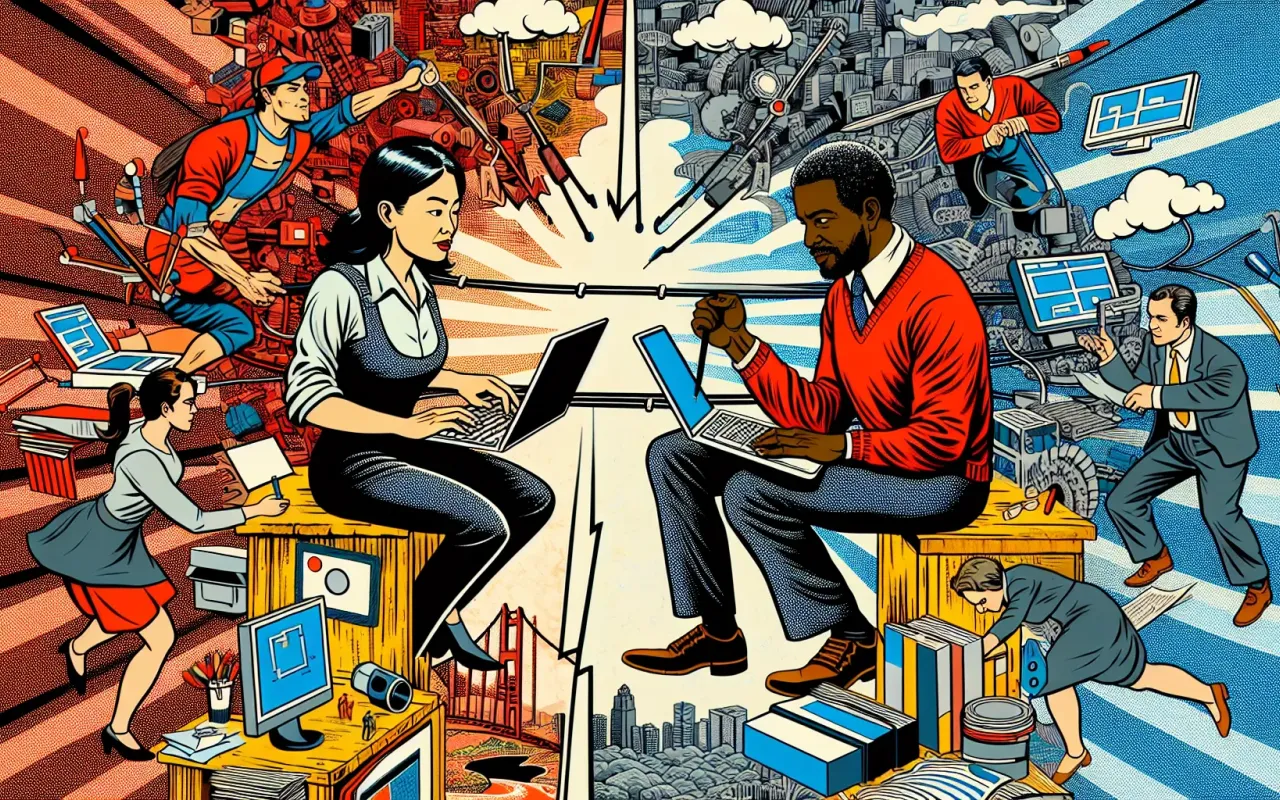
Explore effective digital literacy solutions for bridging the digital divide. Learn how to enhance digital skills and ensure equitable access to technology.
- November 26, 2024
AceShowbiz - In an increasingly digital world, the importance of digital literacy cannot be overstated. The digital divide, the gap between those who have access to modern information and communication technology and those who do not, poses a significant challenge. This divide can hinder socio-economic growth and widen inequalities. This article explores digital literacy solutions for bridging the digital divide, providing comprehensive strategies to ensure equitable access to technology and digital skills.
Understanding the Digital Divide
The digital divide manifests in two primary forms: access to technology and digital literacy skills. While some regions or communities have limited access to the internet and digital devices, others may struggle with using these technologies effectively. Both aspects need to be addressed to create a digitally inclusive society.
Access to Technology
Access to technology involves the availability of devices such as computers, smartphones, and reliable internet connections. In underserved areas, this access is often limited due to economic constraints, geographic isolation, or infrastructural inadequacies.
Digital Literacy Skills
Even when technology is accessible, the lack of necessary digital skills can be a barrier. Digital literacy encompasses the ability to use digital tools effectively, understand online safety, and engage in digital content creation. Bridging the digital divide requires enhancing these skills among the population.
Effective Digital Literacy Solutions
Addressing the digital divide necessitates a multifaceted approach. Here are some practical digital literacy solutions to consider:
1. Access to Affordable Technology
Ensuring that individuals have affordable access to technology is a foundational step in bridging the digital divide. Governments and non-profit organizations can play a crucial role by providing subsidized devices and internet plans. For example, programs like ConnectHomeUSA in the US aim to expand broadband adoption and increase digital literacy among low-income households.
2. Community Training Programs
Community-based digital literacy training programs can equip individuals with essential digital skills. Libraries, community centers, and non-profit organizations can provide workshops and classes covering basic computer skills, internet navigation, and online safety. Initiatives like Mozilla’s Web Literacy Clubs offer accessible resources for learning digital skills at the community level.
3. Integrating Digital Literacy into Education
Embedding digital literacy into the educational curriculum ensures that future generations possess the necessary skills to thrive in a digital world. Schools and universities should integrate technology training across various subjects. Programs like Google’s CS First offer free resources to teach computer science basics to students in fun and engaging ways.
4. Public-Private Partnerships
Collaborations between governments, businesses, and non-profits can pool resources and expertise to address digital literacy. Public-private partnerships can support initiatives that provide training and access to technology. For instance, the Digital Skills Partnership in the UK connects industry leaders with local authorities to enhance digital skills across the workforce.
Long-Term Strategies for Digital Inclusion
While immediate solutions are critical, long-term strategies are essential for sustained digital literacy and inclusion.
1. infrastructure Development
Investing in infrastructure to provide reliable internet access in remote and underserved areas is paramount. Governments must prioritize policies and funding to expand broadband networks. Programs like the National Broadband Plan in the US aim to expand high-speed internet access to rural and low-income communities.
2. Continuous Learning Opportunities
Technology is ever-evolving, and continuous learning is necessary to keep up with its advancements. Providing ongoing training programs helps individuals stay updated with the latest digital tools and trends. Platforms like Coursera and edX offer a plethora of online courses to facilitate lifelong learning in various technical skills.
3. Policy and Advocacy
Advocating for policies that support digital literacy and inclusion is vital. Government regulations can encourage investment in digital infrastructure and education. Non-profits and advocacy groups can raise awareness and push for reforms that bridge the digital divide. For example, All4Digital works to promote digital equality through advocacy and policy recommendations.
Conclusion
Bridging the digital divide is a complex but achievable goal. By implementing digital literacy solutions that encompass affordable access to technology, community training, educational integration, and strategic partnerships, we can make significant strides toward a digitally inclusive society. Long-term strategies such as infrastructure development and continuous learning opportunities, supported by robust policy and advocacy efforts, will ensure sustainable progress. Together, we can empower individuals with the digital skills they need to thrive in an increasingly connected world.