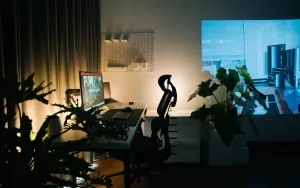
Discover advanced self-hypnosis methods for deep relaxation in this comprehensive guide. Learn techniques to achieve profound relaxation and mental tranquility.
- November 26, 2024
AceShowbiz - In today's fast-paced world, achieving a state of deep relaxation can be challenging. Advanced self-hypnosis methods for deep relaxation offer an effective solution. This guide provides both novices and seasoned practitioners with comprehensive techniques to harness the power of self-hypnosis for profound mental tranquility.
Understanding Self-Hypnosis
Self-hypnosis involves guiding oneself into a hypnotic state, a deeply relaxed and focused state of mind. This practice can enhance mental and physical well-being, encouraging a sense of calm and relaxation.
The Science Behind Hypnosis
Hypnosis works by bypassing the conscious mind to directly communicate with the subconscious. This process can alter perception, improve psychological resilience, and facilitate relaxation. Neuroimaging studies reveal that hypnosis can influence brain areas responsible for attention, control, and awareness.
Benefits of Advanced Self-Hypnosis for Deep Relaxation
Understanding the advantages can motivate you to incorporate these methods into your routine:
- Reduction of Stress: Self-hypnosis helps manage stress by inducing a state of tranquility.
- Improved Sleep: Regular practice can address insomnia and other sleep disorders.
- Enhanced Focus: By calming the mind, self-hypnosis can improve concentration and productivity.
- Emotional Balance: It aids in managing anxiety, depression, and other emotional challenges.
Preparing for Self-Hypnosis
Creating the Right Environment
Choose a quiet, comfortable space where you won't be disturbed. Ambient lighting and relaxing music can help enhance the experience.
Setting Intentions
Clarify your goals for each session. Whether it is stress relief, pain management, or improving sleep, having a clear intention can focus your practice.
Body Positioning
Find a comfortable position, either sitting or lying down, ensuring your body is relaxed but not too relaxed that you might fall asleep unintentionally.
Advanced Self-Hypnosis Techniques
1. Progressive Relaxation
This method involves systematically tensing and relaxing different muscle groups. Begin from your toes and progressively move upwards. This technique helps to release physical tension, inducing a deeper hypnotic state.
2. Visualization
Imagine a serene place where you feel completely at peace. Detailed visualization can deepen the hypnotic state and enhance relaxation.
3. Guided Imagery
Record or use pre-recorded scripts that guide you through a calming scenario. This method combines visualization with a narrative to maintain focus and deepen relaxation.
4. Autosuggestion
Utilize affirmations or positive statements to influence your subconscious. Phrases like "I am calm and relaxed" can reinforce mental tranquility.
5. Counting Down
Counting slowly backwards from a high number can guide you deeper into a hypnotic state. Envision descending stairs or moving downward as you count.
Maintaining and Enhancing Your Practice
Consistency Is Key
Regular practice amplifies the benefits. Aim for daily sessions, even if only for a few minutes. Consistency enhances your ability to enter a hypnotic state more quickly and deeply.
Journaling Your Experiences
Keep a journal of your self-hypnosis sessions. Document your goals, methods used, and outcomes. Reflecting on your progress can provide insights and motivation.
Experimentation and Adaptation
Experiment with different techniques to find what works best for you. Each individual's experience with self-hypnosis is unique, and adapting methods to suit your preferences can yield better results.
Addressing Common Challenges
Dealing with Distractions
External distractions can interrupt your practice. Use noise-cancelling headphones, eye masks, or other tools to minimize interruptions.
Overcoming Doubt and Skepticism
Approaching self-hypnosis with an open mind is crucial. Doubts can hinder your ability to achieve a hypnotic state. Trust the process and give yourself the freedom to explore its benefits.
Managing Time Constraints
If your schedule is tight, integrate short self-hypnosis sessions into your day. Even a few minutes can be effective in promoting relaxation.
Integrating Self-Hypnosis into Daily Life
Combining with Other Techniques
Self-hypnosis complements other relaxation methods such as meditation, yoga, or deep breathing. Combining these practices can enhance overall well-being.
Using Technology
There are numerous apps and online resources available that offer guided self-hypnosis sessions. These can provide support, especially for beginners.
Staying Informed and Updated
Continually educate yourself on new techniques and advances in self-hypnosis. Workshops, online courses, and literature can enhance your knowledge and practice.
Conclusion
Advanced self-hypnosis methods for deep relaxation are a powerful tool for enhancing mental and physical well-being. By understanding the science behind it, preparing adequately, and practicing consistently, you can achieve profound relaxation and mental tranquility. Embrace these techniques with an open mind and enjoy the myriad benefits they offer.