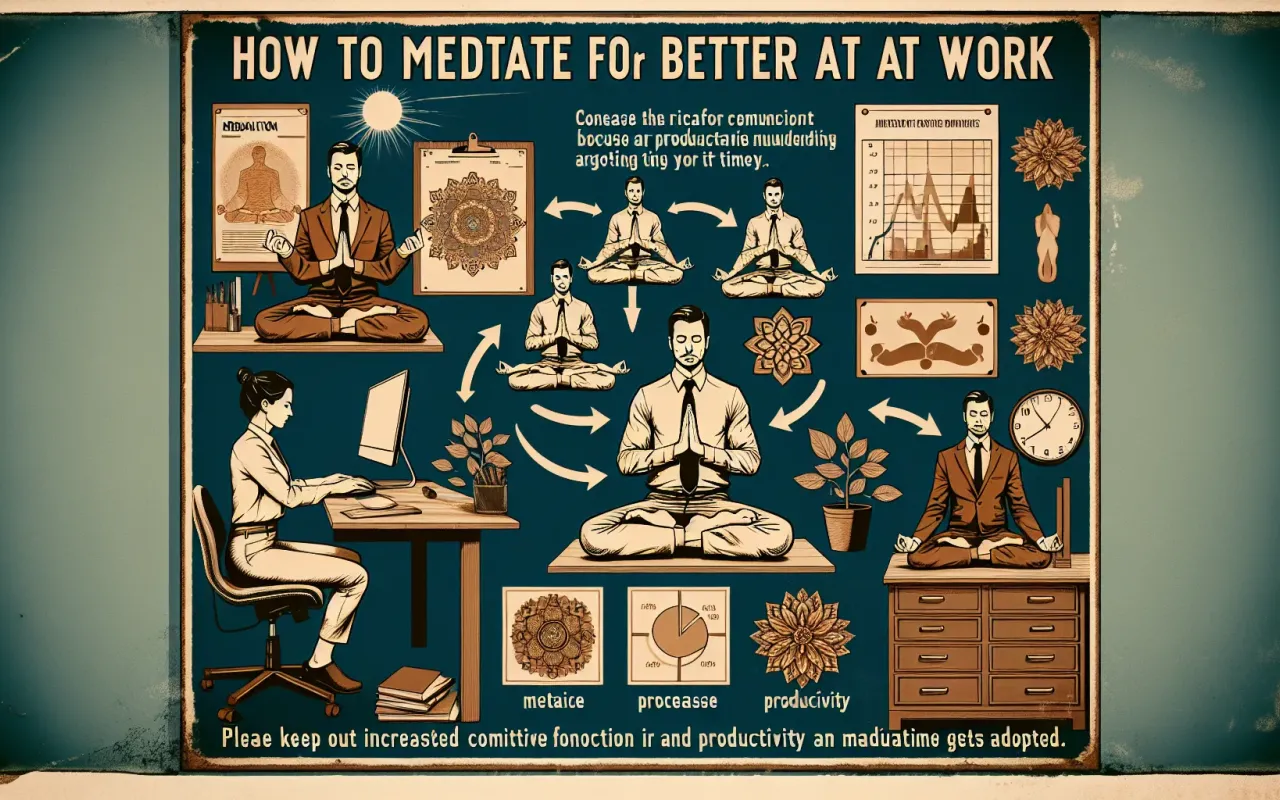
Learn how to meditate for better focus at work with this comprehensive guide. Discover techniques and tips to enhance your productivity and overall well-being.
- November 25, 2024
Introduction
In today's fast-paced work environment, maintaining focus and productivity can be challenging. With constant interruptions and a never-ending list of tasks, it’s easy to feel overwhelmed. However, incorporating meditation into your daily routine can significantly improve your concentration and overall work performance. In this article, we will explore how to meditate for better focus at work, helping you boost your productivity and enhance your well-being.
Why Meditation Improves Focus
The Science Behind Meditation
Meditation has been extensively studied and demonstrated to have numerous benefits for the brain. Research indicates that regular meditation can increase gray matter density in areas of the brain associated with learning, memory, and emotional regulation. Additionally, meditation helps reduce the size of the amygdala, the brain’s fear center, thereby lowering stress levels.
Focus and Attention
Meditation improves focus and attention by training the brain to remain in the present moment. By practicing mindfulness, you become more adept at filtering distractions and sustaining concentration on tasks, which is essential for effective work performance.
Getting Started with Meditation at Work
Finding the Right Time and Place
Creating a conducive environment for meditation at work is key to its effectiveness. Identify a quiet, comfortable space where you won’t be disturbed. Early mornings before starting work or during lunch breaks are usually optimal times to meditate.
Using Meditation Apps
For beginners, meditation apps can be incredibly helpful. Apps like Headspace, Calm, and Insight Timer offer guided meditations specifically designed to improve focus and reduce stress.
A Step-by-Step Guide to Meditate for Better Focus
Step 1: Set Your Intention
Begin by setting a clear intention for your meditation session. Whether it’s to reduce stress, improve focus, or enhance overall well-being, knowing your purpose aligns your practice with your goals.
Step 2: Find a Comfortable Position
Sit in a comfortable chair with your back straight, feet flat on the floor, and hands resting on your lap. Alternatively, you can sit cross-legged on a cushion if that’s more comfortable.
Step 3: Focus on Your Breath
Close your eyes and take several deep breaths, inhaling through your nose and exhaling through your mouth. Then, allow your breathing to return to its natural rhythm. Focus on the sensation of your breath as it enters and leaves your nostrils.
Step 4: Acknowledge Distractions
It’s normal for your mind to wander during meditation. When distractions arise, gently acknowledge them without judgment and return your focus to your breath. This practice trains your brain to refocus, enhancing your ability to stay on task at work.
Step 5: Use a Mantra (Optional)
Some people find it helpful to use a mantra—a word or phrase repeated silently—to maintain focus. Phrases like “I am calm†or “I am focused†can reinforce your intention and keep your mind centered.
Step 6: Gradually Extend Your Practice
Start with brief sessions of 5-10 minutes and gradually increase the duration as you become more comfortable with the practice. Consistency is more important than duration, so aim to meditate daily.
Integrating Meditation into Your Workday
Short Meditation Breaks
Incorporate short meditation breaks into your workday to reset your mind and body. Even 2-5 minute breaks can significantly enhance your focus and productivity. Use these moments to practice mindful breathing or a quick body scan meditation.
Mindfulness in Everyday Tasks
Bring mindfulness to your everyday tasks. Whether it's answering emails, attending meetings, or working on projects, stay fully present in each activity. This mindful approach reduces stress and improves the quality of your work.
Additional Tips for Sustaining Meditation Practice
Consistency is Key
Set a regular meditation schedule that fits your routine. Consistency helps build a habit, making it easier to reap the long-term benefits of meditation.
Create a Supportive Environment
Encourage a culture of mindfulness at work by sharing your meditation practice with colleagues. Consider organizing group meditation sessions or a quiet space dedicated to mindfulness activities.
Conclusion
Meditation is a powerful tool for enhancing focus, reducing stress, and boosting productivity at work. By incorporating the techniques and tips outlined in this guide, you can develop a sustainable meditation practice that supports your professional and personal well-being. Remember, the journey to better focus and productivity begins with just a few mindful minutes each day.