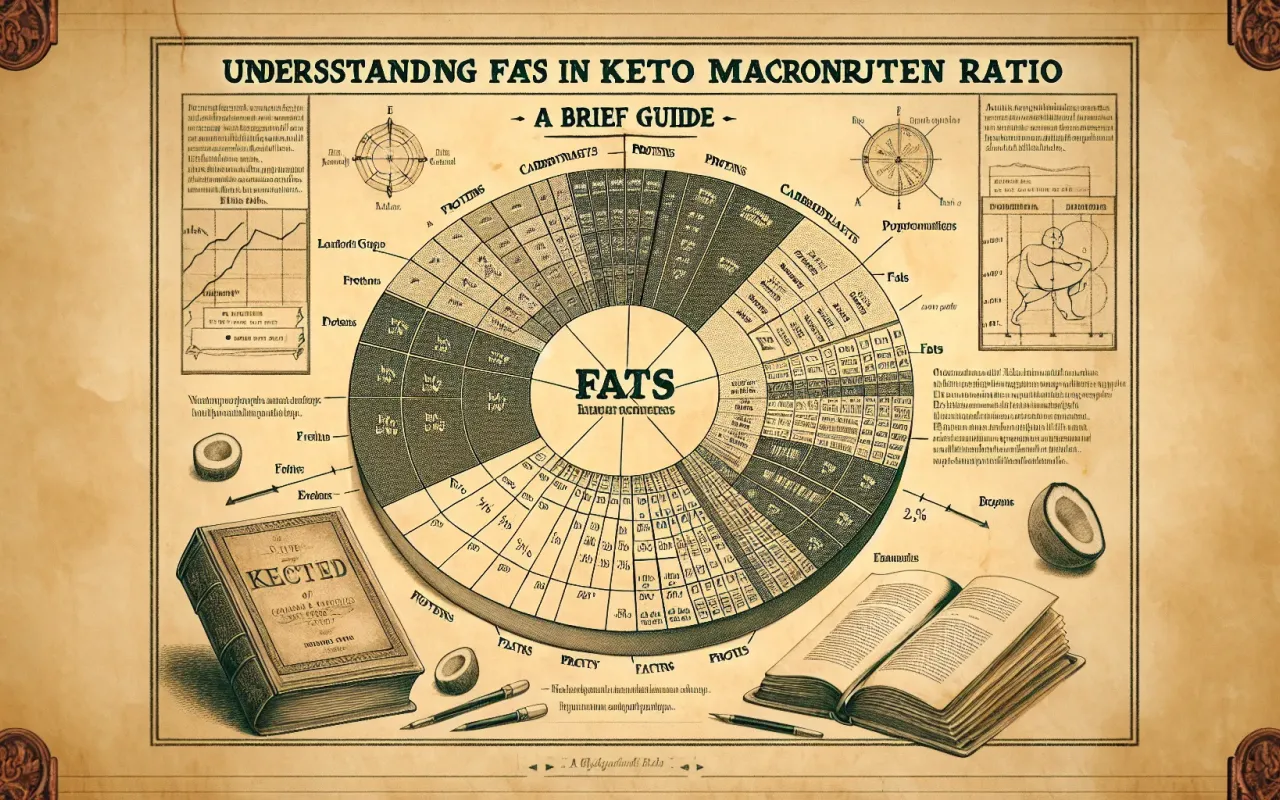
Discover the critical role of fats in the keto macronutrient ratio. Learn about the benefits, types, and best practices for incorporating fats into your ketogenic diet.
- November 24, 2024
The ketogenic diet, commonly referred to as the keto diet, has gained popularity for its potential benefits in weight loss, mental clarity, and energy stabilization. Central to the effectiveness of the keto diet is its macronutrient ratio, particularly the intake of fats. This guide dives deep into the role of fats in the keto macronutrient ratio, offering insights and practical advice on how to optimize your fat intake for better health outcomes.
The Basics of the Keto Diet Macronutrient Ratio
Before delving into the significance of fats in the keto macronutrient ratio, it is crucial to understand the basic structure of this diet. The keto diet typically consists of high fats (70-75%), moderate proteins (20-25%), and very low carbohydrates (5-10%). This macronutrient distribution is designed to shift the body's metabolism from carbohydrates to fats, a state known as ketosis.
Why Fats Are Essential in a Ketogenic Diet
Fuel for the Body
Fats are the primary source of energy in a keto diet. When carbohydrate intake is minimized, the body starts using fat as its main fuel source. Fats are broken down into ketones, which provide a steady and efficient source of energy.
Satiety and Fullness
Fats are more satiating compared to carbohydrates and proteins. Consuming healthy fats helps in reducing hunger pangs and can contribute to effective weight management.
Hormonal Balance
Dietary fats play a crucial role in hormone production. Hormones such as testosterone and estrogen are dependent on fats for their synthesis. Thus, adequate fat intake ensures hormonal balance.
Types of Fats in Keto Macronutrient Ratio
Saturated Fats
Saturated fats are found in foods such as butter, coconut oil, and ghee. These fats are stable at higher temperatures, making them ideal for cooking. Contrary to old beliefs, recent studies suggest that saturated fats, when consumed in moderation, do not increase the risk of heart disease.
Monounsaturated Fats
Monounsaturated fats are considered heart-healthy and are found in olive oil, avocados, and various nuts. These fats can help reduce bad cholesterol levels and are beneficial for overall cardiovascular health.
Polyunsaturated Fats
Polyunsaturated fats include essential fatty acids such as omega-3 and omega-6. Sources include fatty fish, flaxseeds, and walnuts. These fats are crucial for brain function, inflammation management, and cell structure maintenance.
Trans Fats
Trans fats are artificially created through a process called hydrogenation. They are found in many processed foods and are associated with increased risks of heart disease and should be avoided.
Incorporating Healthy Fats into Your Keto Diet
Cooking with Fats
Utilize fats such as butter, ghee, and coconut oil for cooking. These fats are stable at high temperatures and add flavor to your dishes.
Healthy Snack Options
Incorporate snacks like nuts, seeds, and fat bombs made from coconut oil or avocados. These snacks provide quick energy and help to maintain ketosis.
Fat-Rich Meals
Ensure your meals are rich in fats by including ingredients such as fatty fish, avocados, olive oil, and cheese. These can be part of delicious and satisfying meals that keep you in ketosis.
Potential Challenges and Solutions
Digestive Issues
Some people may experience digestive issues when increasing fat intake. It is advisable to start slowly and gradually increase the amount of fats to allow the digestive system to adapt.
Finding Quality Sources
Opt for organic and unprocessed sources of fats wherever possible. Avoid heavily processed oils and stick to natural, whole-food sources.
Balancing Omega-3 and Omega-6
Ensure a balance between omega-3 and omega-6 fatty acids by consuming a variety of fat sources and focusing on those rich in omega-3, like fatty fish and flaxseeds.
Final Thoughts on Fats in Keto Macronutrient Ratio
Understanding the role of fats in the keto macronutrient ratio is vital for anyone looking to adopt this diet successfully. By incorporating a variety of healthy fats, monitoring intake, and addressing potential challenges, individuals can optimize their health outcomes on the ketogenic diet. Remember, the quality of the fats you consume holds as much importance as the quantity, so choose wisely for the best results.