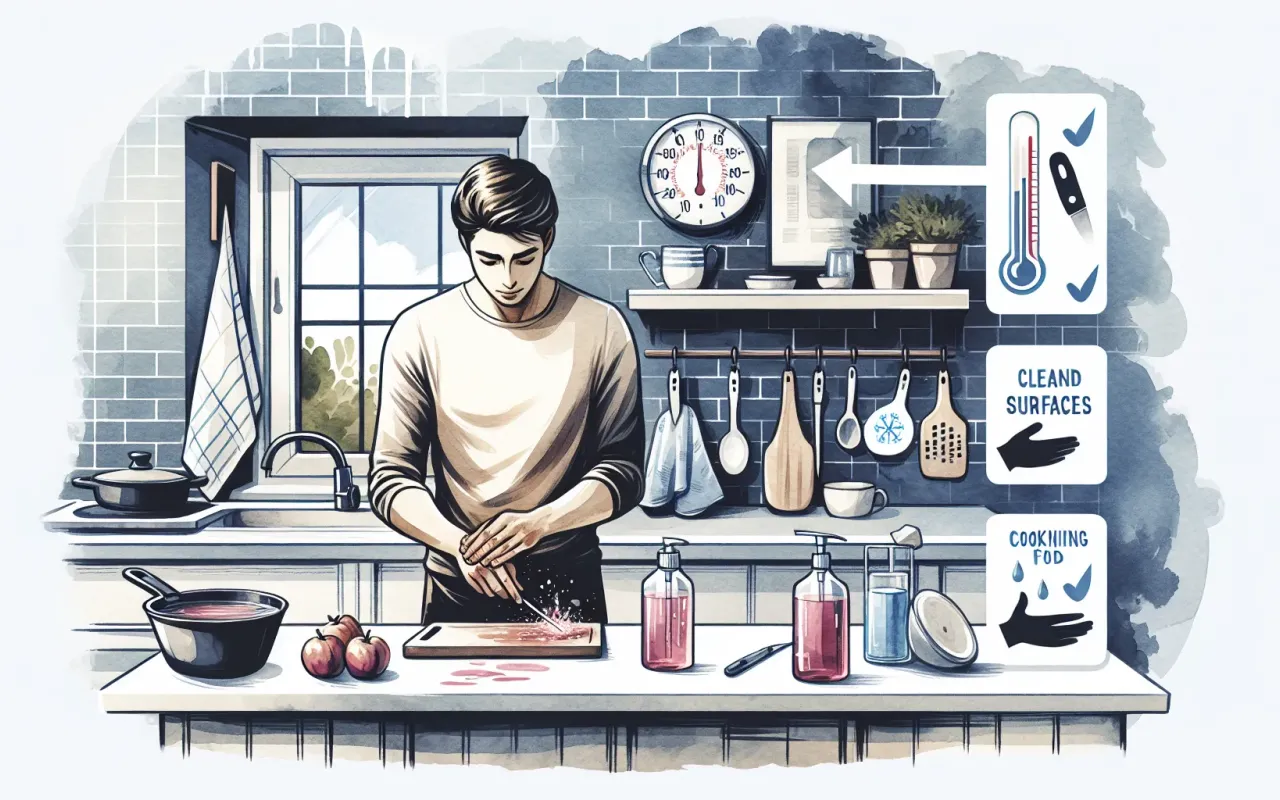
Learn crucial tips and best practices to avoid food poisoning when cooking at home. Ensure food safety and protect your family with our comprehensive guide.
- November 23, 2024
AceShowbiz - Cooking at home can be a fulfilling and healthy practice, but it carries the risk of food poisoning if proper precautions are not taken. Understanding how to avoid food poisoning when cooking at home is crucial for safeguarding your health and that of your loved ones. This comprehensive guide offers essential tips and best practices to ensure food safety in your kitchen.
Understanding Food Poisoning
Food poisoning is an illness caused by consuming contaminated food or beverages. The contaminants may include bacteria, viruses, parasites, or toxins. Common symptoms of food poisoning include nausea, vomiting, diarrhea, abdominal pain, and fever. While most cases are mild and resolve without medical intervention, severe cases can lead to dehydration, long-term health issues, or even death.
Essential Tips for Preventing Food Poisoning at Home
1. Practice Good Personal Hygiene
Maintaining personal hygiene is a crucial defense against foodborne illnesses:
- Wash your hands thoroughly with soap and water before handling food, after touching raw meat, and after using the bathroom.
- Keep your nails trimmed and clean to avoid harboring bacteria.
- Use gloves when handling foods if you have cuts or sores on your hands.
2. Keep Your Kitchen Clean
A clean kitchen environment is vital for preventing food contamination:
- Sanitize countertops, cutting boards, and utensils before and after use.
- Use separate cutting boards for raw meats and vegetables to prevent cross-contamination.
- Wash dishcloths and sponges regularly with hot water and replace them frequently.
3. Store Food Properly
Proper food storage can prevent bacterial growth:
- Refrigerate perishable foods within two hours of purchasing or cooking.
- Keep your fridge below 40°F (4°C) and your freezer at 0°F (-18°C).
- Store raw meat, poultry, and seafood on the bottom shelf of the fridge to prevent juices from dripping onto other foods.
4. Cook Food to the Right Temperature
Cooking food to the correct internal temperature kills harmful bacteria:
- Use a food thermometer to check the internal temperature of meats, poultry, seafood, and egg dishes.
- Refer to USDA safe minimum internal temperature guidelines: 165°F (74°C) for poultry, 160°F (71°C) for ground meats, and 145°F (63°C) for whole meats, allowing for a three-minute rest period.
- Reheat leftovers to at least 165°F (74°C) before consuming.
5. Be Cautious with Raw and Ready-to-Eat Foods
Special care should be taken with raw and ready-to-eat foods:
- Avoid consuming raw or undercooked eggs, meat, or fish.
- Rinse fruits and vegetables under running water before eating or preparing them.
- Be mindful of expiration dates and discard food items that are past their prime.
Additional Best Practices for Food Safety
Understand Cross-Contamination
Cross-contamination occurs when harmful bacteria are transferred from one food item to another. Here are some ways to prevent it:
- Use distinct utensils and plates for raw and cooked foods.
- Avoid placing cooked food back on a plate that previously held raw food without thoroughly washing it first.
- Keep raw food and their juices away from other foods in your grocery basket and refrigerator.
Defrost Foods Safely
The way you defrost food can impact its safety:
- Thaw frozen foods in the refrigerator, in cold water (changing it every half hour), or in the microwave.
- Never defrost foods at room temperature as this promotes bacterial growth.
- Cook defrosted food immediately and avoid refreezing.
Be Informed About Food Recalls
Stay updated on food recalls to avoid consuming potentially contaminated products:
- Follow news sources, and subscribe to alerts from food safety organizations like the FDA or USDA.
- If a product you have is recalled, follow the instructions for returning or disposing of it.
Use Safe Water and Raw Materials
Ensure that the water and ingredients you use are safe and of high quality:
- Use potable water for drinking, cooking, and cleaning food.
- Avoid using food items from bulging or damaged cans, which may indicate the presence of botulism.
Conclusion
Food poisoning is a preventable condition with the right knowledge and practices. By following the essential tips and best practices detailed in this guide, you can significantly reduce the risk of foodborne illnesses and create a safe cooking environment at home. Remember, attention to hygiene, proper food storage, accurate cooking temperatures, and vigilance about cross-contamination are key to ensuring food safety. Stay informed, stay clean, and enjoy the benefits of healthy home-cooked meals without the worry of food poisoning.