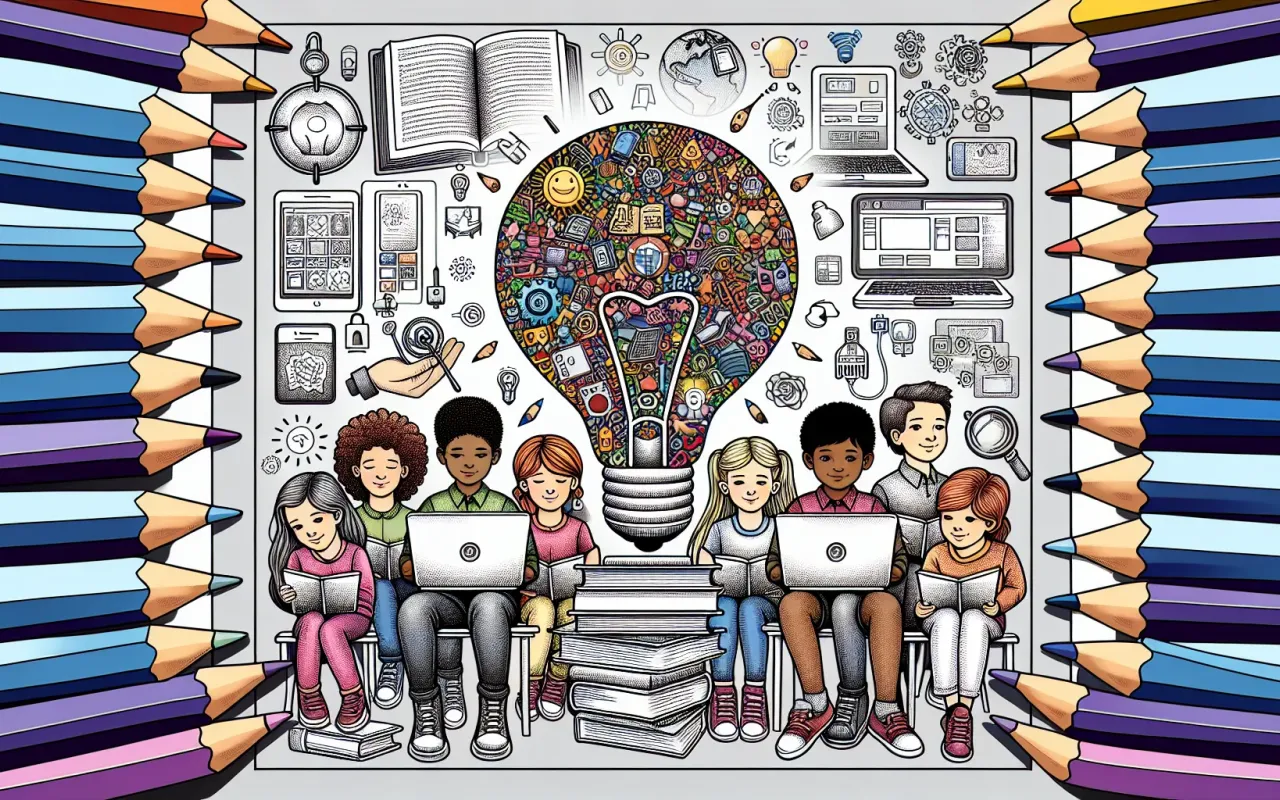
A thorough examination of the need for a media literacy curriculum tailored for digital natives, addressing their unique challenges and solutions.
- November 23, 2024
As digital natives, today's youth are immersed in a digital world from a very young age. While this connectivity brings numerous opportunities, it also introduces significant challenges related to discerning trustworthy information from misinformation, navigating digital privacy concerns, and understanding the ethical implications of their online actions. Therefore, a robust media literacy curriculum for digital natives is crucial. This article explores the components and benefits of a comprehensive media literacy curriculum, tailored for the modern age.
Understanding Media Literacy
Media literacy is the ability to access, analyze, evaluate, create, and communicate using various forms of media. In today's digital age, media literacy extends beyond traditional print and broadcast media to include social media, online news, digital marketing, and more. For digital natives, who are constantly exposed to a barrage of information online, media literacy is an essential skill for navigating this complex landscape.
The Need for a Media Literacy Curriculum for Digital Natives
Combatting Misinformation
The internet is rife with misinformation and fake news. Digital natives, who frequently use social media and online platforms for news and information, are particularly vulnerable. A media literacy curriculum teaches students to critically evaluate sources, recognize biased perspectives, and identify credible information.
Promoting Digital Citizenship
Understanding the ethical implications of one’s online actions is a critical component of digital citizenship. Media literacy education can help students grasp the concepts of digital rights and responsibilities, online etiquette, and staying safe online.
Enhancing Critical Thinking Skills
Media literacy promotes critical thinking by encouraging students to question and analyze the information they consume. By developing these skills, students learn to make informed decisions and engage thoughtfully with online content.
Key Components of an Effective Media Literacy Curriculum
A well-rounded media literacy curriculum should include various components to address the diverse needs of digital natives effectively.
1. Critical Analysis of Media
Students should learn to deconstruct media messages, understanding the intention behind them and the techniques used to influence perception. This component involves analyzing advertisements, news articles, social media posts, and other digital content to identify underlying messages and biases.
2. Evaluating Online Sources
Teaching students to evaluate the credibility of online sources is fundamental in a media literacy curriculum. Students should learn to identify reliable websites, discern between trustworthy and unreliable information, and cross-check facts from multiple sources.
3. Understanding Digital Footprints
Digital natives need to be aware of their digital footprints - the trail of data they leave behind online. Lessons should cover privacy settings, the long-term impact of online actions, and strategies for protecting personal information.
4. Digital Rights and Responsibilities
This component addresses the ethical considerations and responsibilities that come with being an active digital citizen. Topics include cyberbullying, copyright laws, online harassment, and the respectful use of digital platforms.
5. Media Creation and Communication
Empowering students to create and communicate their own media responsibly is a vital part of media literacy. This portion of the curriculum teaches skills in digital content creation, understanding the impact of one’s own media, and ethical content production.
Implementing Media Literacy in Education
Incorporating into the Curriculum
Media literacy should be integrated into the existing curriculum rather than treated as a standalone subject. This approach ensures that students consistently apply these skills across various subjects and real-world scenarios.
Training Educators
Teachers play a pivotal role in imparting media literacy skills. Professional development programs should equip educators with the knowledge and tools needed to teach media literacy effectively. This involves staying updated on the latest digital trends and understanding how to engage students in meaningful discussions about media.
Engaging Students
Interactive and hands-on learning activities make media literacy education engaging for students. Using real-world examples, group projects, and discussions helps students apply what they learn and fosters a deeper understanding of media literacy concepts.
Success Stories and Case Studies
Examining successful implementations of media literacy programs can provide valuable insights and best practices for educators and policymakers looking to develop or enhance their own curriculums. Several schools and institutes have seen significant improvements in students' critical thinking skills, online safety, and overall digital literacy through dedicated programs.
Conclusion
Media literacy is an indispensable skill for digital natives navigating the intricate web of digital information and online interactions. A comprehensive media literacy curriculum for digital natives empowers students with the tools they need to critically evaluate media, stay safe online, and engage ethically in the digital world. By integrating media literacy into education and providing adequate support for educators, we can help develop a generation of informed, responsible, and thoughtful digital citizens.