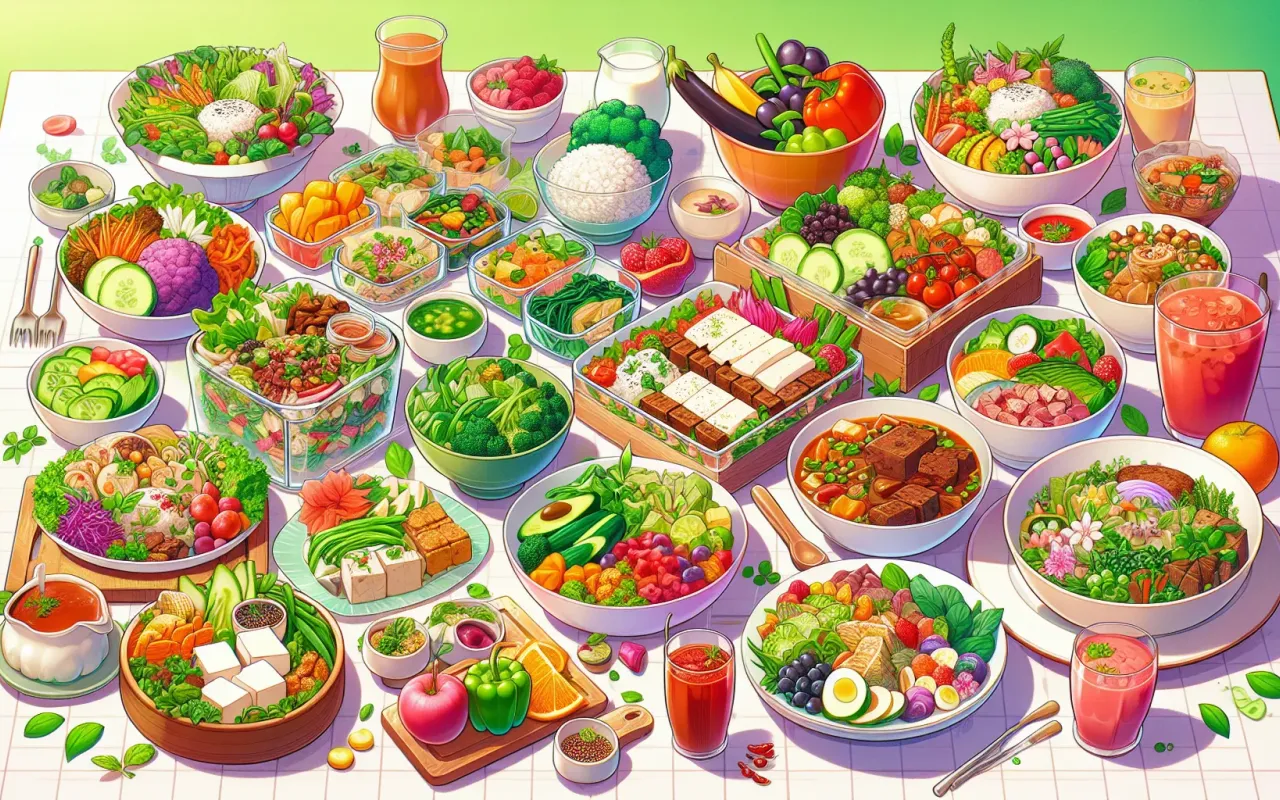
Ultimate Plant-Based Diet Meal Plan for Vegetarians: Delicious and Nutritious Recipes to help you maintain a healthy vegetarian lifestyle.
- November 22, 2024
AceShowbiz - A well-crafted plant-based diet meal plan for vegetarians can be both delicious and nourishing. With the increasing awareness about the environmental and health benefits of a plant-based diet, more vegetarians are looking for varied and balanced meal plans. This guide aims to provide a comprehensive meal plan that is easy to follow and packed with essential nutrients.
Introduction to Plant-Based Diets
A plant-based diet emphasizes whole, unprocessed foods derived from plants, including vegetables, fruits, nuts, seeds, legumes, and grains. Unlike vegan diets, plant-based diets aren't necessarily devoid of animal products; however, they focus on minimizing their consumption.
Benefits of a Plant-Based Diet for Vegetarians
Adopting a plant-based diet offers several advantages, including:
- Improved Heart Health: Diets rich in fruits, vegetables, and whole grains are linked to lower risks of heart diseases.
- Reduced Inflammation: Plant-based foods contain anti-inflammatory compounds that help reduce chronic inflammation.
- Enhanced Digestion: High fiber content in plant-based foods promotes healthy digestion and gut health.
- Weight Management: Plant-based diets are often lower in calories and help in maintaining a healthy weight.
- Environmental Sustainability: Reducing animal product intake lowers your carbon footprint.
Creating a Balanced Plant-Based Diet Meal Plan
Creating a balanced meal plan is essential to ensure you get all the necessary nutrients. Here’s a plan that covers daily meals:
Breakfast
- Overnight Oats: Mix rolled oats with almond milk, chia seeds, and top with fresh berries. Refrigerate overnight and enjoy a nutritious breakfast rich in omega-3 fatty acids and antioxidants.
- Smoothie Bowl: Blend spinach, banana, frozen berries, and plant-based protein powder. Top with granola, nuts, and seeds for a fiber-rich meal.
Mid-Morning Snack
- Fruit and Nut Mix: A mix of dried fruits and nuts provides a perfect balance of healthy fats, protein, and natural sugars.
- Veggie Sticks with Hummus: Cut up carrots, celery, and bell peppers, and dip them in hummus for a crunchy, savory snack.
Lunch
- Quinoa Salad: Combine cooked quinoa with chickpeas, chopped cucumber, tomatoes, and avocado. Dress with olive oil, lemon juice, salt, and pepper for a filling protein-packed dish.
- Lentil Soup: A hearty soup made with lentils, tomatoes, spinach, carrots, and onions is rich in iron and dietary fiber.
Afternoon Snack
- Smoothies: A plant-based protein smoothie with spinach, banana, almond milk, and chia seeds.
- Roasted Chickpeas: Season chickpeas with paprika and roast until crispy for a savory, high-protein snack.
Dinner
- Stuffed Bell Peppers: Fill bell peppers with a mix of brown rice, black beans, corn, and tomatoes. Bake until peppers are tender and top with salsa and avocado.
- Vegetable Stir-Fry: Sauté assorted vegetables like broccoli, bell peppers, and snap peas in sesame oil with tofu. Serve over brown rice or whole grain noodles.
Dessert
- Chia Pudding: Mix chia seeds with coconut milk and a bit of maple syrup. Refrigerate overnight and top with fresh fruit.
- Dark Chocolate and Almonds: Enjoy a small piece of high-quality dark chocolate with a serving of almonds for a satisfying end to the day.
Nutrient Considerations
When following a plant-based diet meal plan for vegetarians, it’s vital to ensure you're meeting your nutritional needs. Key nutrients to focus on include:
Protein
While a common concern is the lack of protein in plant-based diets, many plant foods are rich in protein, such as lentils, chickpeas, quinoa, tofu, and tempeh.
Iron
Iron from plant sources is non-heme and not absorbed as easily as heme iron found in animal products. Pair iron-rich foods like spinach and lentils with vitamin C sources like citrus fruits to enhance absorption.
Calcium
Include calcium-fortified plant milks, tofu made with calcium sulfate, and leafy greens like kale and bok choy to meet your calcium needs.
Vitamin B12
Vitamin B12 is primarily found in animal products, so vegetarians should consider fortified foods or supplements to avoid deficiency.
Omega-3 Fatty Acids
Sources like flaxseeds, chia seeds, walnuts, and hemp seeds provide ALA (a type of omega-3 fatty acid). Consider an algae-based supplement for DHA and EPA forms.
Tips for Success
Transitioning to a plant-based diet meal plan for vegetarians can be smooth with these tips:
- Plan Ahead: Prepare meals in advance to avoid the temptation of unhealthy options.
- Diversify Your Diet: Experiment with a variety of plant-based foods to ensure you get a broad range of nutrients.
- Read Labels: Check for hidden animal products in packaged foods to stay committed to your diet.
- Stay Hydrated: Drink plenty of water throughout the day to support digestion and overall health.
Conclusion
Adopting a plant-based diet meal plan for vegetarians can lead to numerous health benefits while being environmentally sustainable. By including a diverse range of vegetables, fruits, grains, and plant-based proteins, you can craft a delicious and nutritious meal plan that supports your overall well-being. Use the tips and recipes provided to start your journey towards a healthier lifestyle.