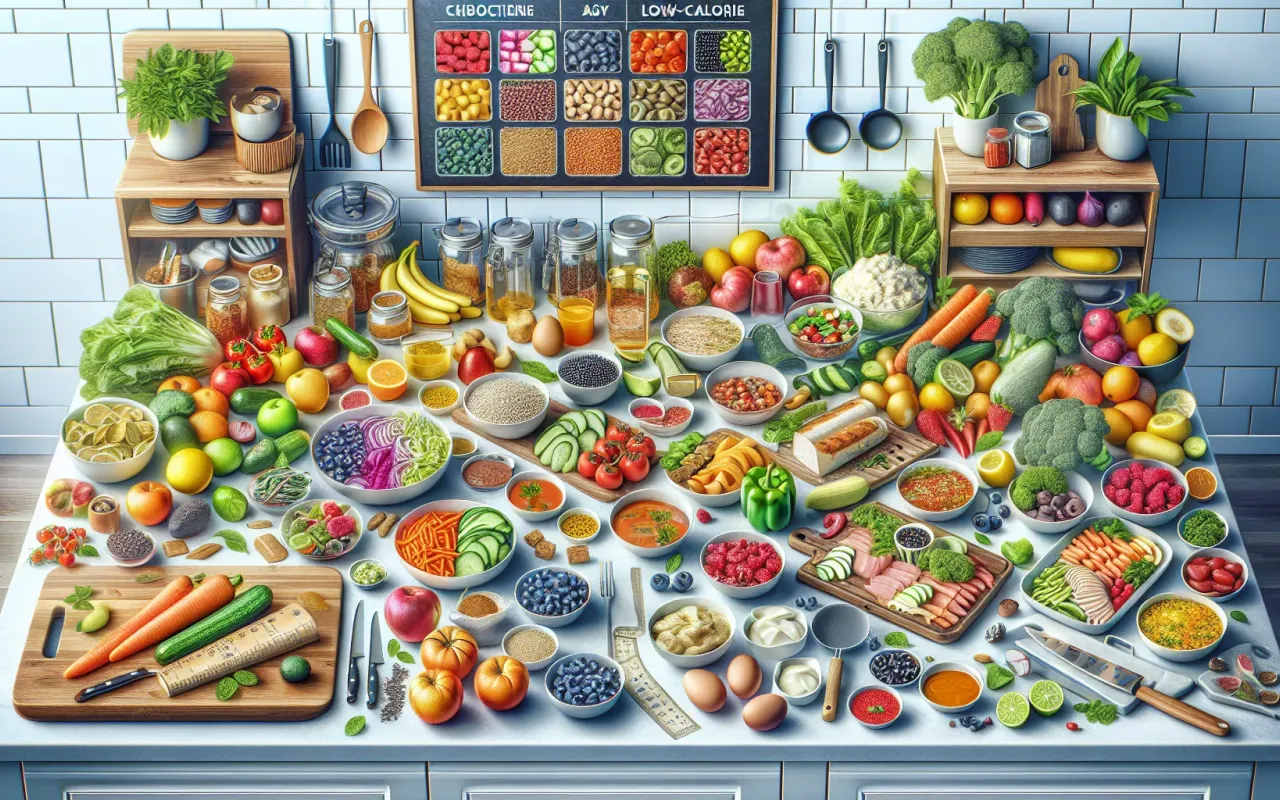
Discover 10 simple and effective low-calorie meal planning ideas to support healthy eating. Learn how to maintain a balanced diet with ease.
- November 22, 2024
AceShowbiz - Adopting a low-calorie meal plan can be a transformative experience, improving your overall health and aiding in weight management. If you are new to this concept or looking for fresh, practical advice, you've come to the right place. Here, we'll explore ten easy low calorie meal planning ideas that will support your journey towards healthier eating.
1. Focus on Whole Foods
One of the simplest yet most effective ways to lower your calorie intake is to focus on whole foods. Whole foods are minimally processed, rich in nutrients, and generally lower in calories compared to their processed counterparts. Fill your plate with fruits, vegetables, lean proteins, and whole grains. Foods like leafy greens, berries, chicken breast, and quinoa can help you stay full while consuming fewer calories.
2. Plan Your Meals in Advance
Planning your meals ahead of time can save you from making unhealthy, impulsive food choices. At the start of each week, create a meal plan that includes breakfast, lunch, dinner, and snacks. This strategy not only ensures you stay on track with your low-calorie goals but also helps in grocery shopping and meal preparation.
Create a Balanced Meal Plan
Ensure your meal plan includes a balance of macronutrients: proteins, fats, and carbohydrates. A balanced diet can prevent overeating and provide sustained energy throughout the day.
3. Incorporate Lean Proteins
Proteins are crucial for muscle maintenance and growth, and they can also help you feel fuller for longer. Opt for lean sources of protein such as turkey, chicken breast, tofu, legumes, and fish. Low-fat dairy products like Greek yogurt and cottage cheese are also excellent options.
4. Snack Smart
Snacks can either make or break a low-calorie diet. Choose snacks that are high in fiber and protein but low in calories. Fresh fruits, vegetables with hummus, nuts in moderation, and hard-boiled eggs are excellent choices. These foods are nutrient-dense and can help maintain your energy levels between meals.
5. Use Healthy Cooking Methods
The way you prepare your food can significantly impact its caloric content. Opt for cooking methods that do not add unnecessary calories, such as grilling, steaming, baking, or sautéing with a small amount of healthy oil. Avoid deep-frying or cooking with large amounts of butter or oil.
6. Portion Control
Even low-calorie foods can contribute to weight gain if consumed in large quantities. Use smaller plates and bowls to help control portion sizes. Pay attention to serving sizes on food labels, and consider using a food diary or apps to track your intake.
7. Hydrate Wisely
Sometimes our bodies confuse thirst with hunger. Ensure you're drinking enough water throughout the day to stay hydrated. Avoid sugary drinks like sodas and flavored lattes as they can add significant calories. Herbal teas and black coffee are excellent low-calorie beverage options.
8. Substitute Ingredients
Small substitutions can make a big difference in reducing calories. For example, use cauliflower rice instead of white rice, zucchini noodles instead of pasta, and Greek yogurt instead of sour cream. These swaps can lower the calorie content of your meals without sacrificing flavor or texture.
9. Add More Vegetables
Vegetables are naturally low in calories and high in vitamins, minerals, and fiber. Aim to fill half your plate with vegetables at each meal. Incorporate a variety of colors to ensure you're getting a broad range of nutrients. Whether fresh, frozen, or steamed, vegetables are a vital part of a low-calorie diet.
10. Mindful Eating
Practicing mindful eating can help you tune into your body's hunger and fullness cues, preventing overeating. Take time to enjoy your meals without distractions like TV or smartphones. Chew your food slowly and savor each bite, making your dining experience more satisfying and reducing the likelihood of consuming excess calories.
Conclusion
Switching to a low-calorie meal planning regimen doesn’t have to be daunting. By incorporating whole foods, planning your meals, choosing lean proteins, snacking wisely, using healthy cooking methods, controlling portions, staying hydrated, substituting certain ingredients, adding more vegetables, and practicing mindful eating, you'll be well on your way to a healthier, more balanced diet.
Remember, the goal is to create sustainable eating habits that fuel your body and promote well-being. Start with these ten easy low calorie meal planning ideas, and you’ll find it simpler to maintain a healthy lifestyle over the long term.