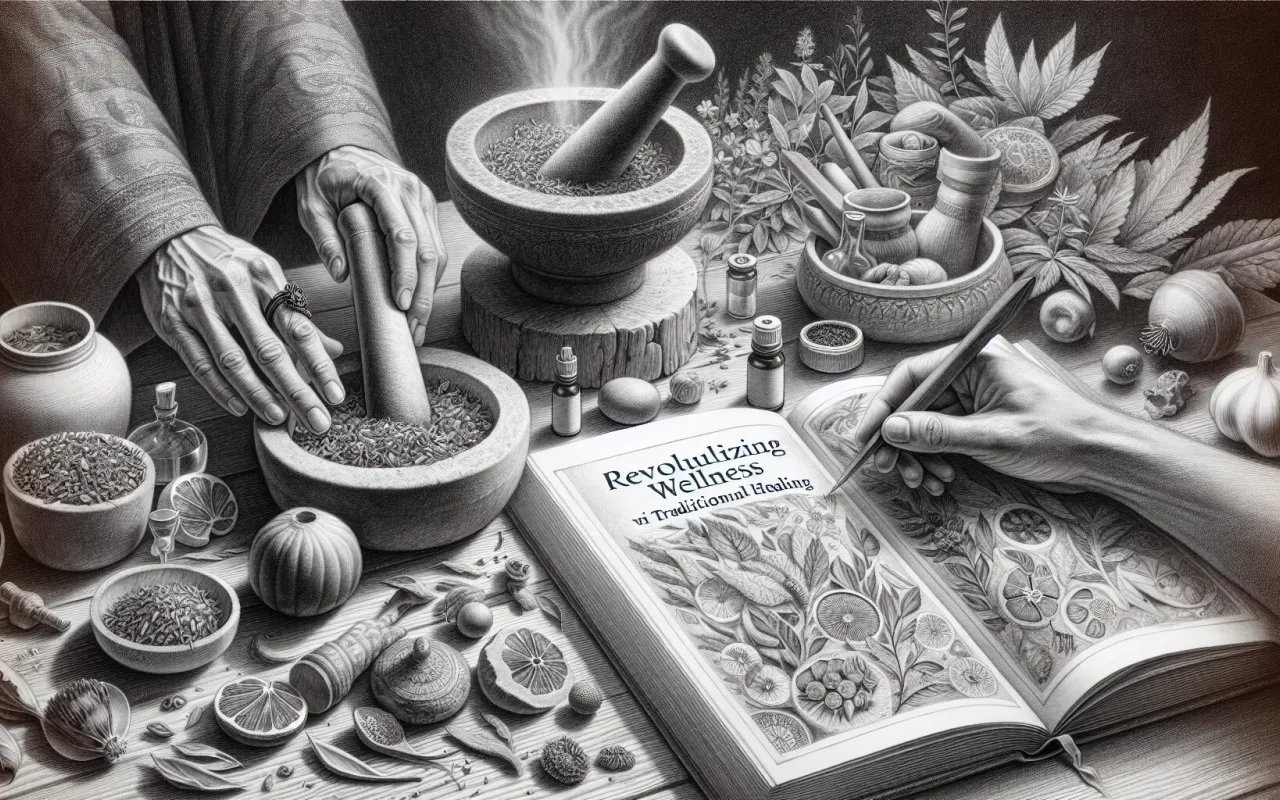
Explore the benefits of herbal medicine for traditional healing, its historical significance, and how it can be incorporated into modern wellness routines.
- November 21, 2024
Herbal medicine has been a cornerstone of traditional healing practices for centuries. Integrating natural remedies into wellness routines offers myriad benefits, ranging from bodily health to emotional well-being. This article delves into the profound world of herbal medicine, highlighting its significance in traditional healing, the scientific basis behind its efficacy, and practical ways to incorporate it into your wellness regimen.
The Historical Significance of Herbal Medicine
Herbal medicine has roots tracing back thousands of years, with evidence found in ancient civilizations like Egypt, China, and India. These cultures meticulously documented the therapeutic uses of plants for treating various ailments, forming the foundation of what we now recognize as traditional healing.
Ancient Practices
Traditional Chinese Medicine (TCM) and Ayurveda are two well-established systems that have extensively utilized herbs. TCM incorporates herbs like ginseng and ginger, while Ayurveda relies on plants like turmeric and ashwagandha. Both systems emphasize the balance of bodily elements and the harmony between natural and human worlds.
Indigenous Knowledge
Indigenous cultures across the globe have their unique herbal practices. Native American, African, and Aboriginal Australian communities have long relied on local flora for medicinal purposes. This traditional knowledge, passed down through generations, remains invaluable in modern natural therapies.
The Science Behind Herbal Medicine
While traditional knowledge forms the backbone of herbal medicine, contemporary science has started to unravel the mechanisms behind these age-old practices. Numerous studies validate the effectiveness of various herbal remedies.
Active Compounds
Plants contain bioactive compounds, such as alkaloids, flavonoids, and terpenes, which contribute to their medicinal properties. For instance, curcumin in turmeric has well-documented anti-inflammatory and antioxidant effects, making it a potent remedy for chronic diseases.
Clinical Evidence
Research continues to substantiate the benefits of herbal medicine. Studies on Echinacea, for example, have shown its efficacy in boosting the immune system and alleviating symptoms of the common cold. Similarly, research on St. John's Wort highlights its potential in treating mild to moderate depression.
Incorporating Herbal Medicine into Modern Wellness
With the holistic health movement gaining momentum, many people are turning to herbal medicine to complement conventional treatments. Here are some practical ways to incorporate herbal remedies into your daily routine.
Herbal Teas and Infusions
Herbal teas are a simple yet effective way to consume beneficial herbs. Chamomile tea can help with relaxation and sleep, while peppermint tea aids digestion. Consuming these infusions regularly can make a noticeable difference in your overall wellness.
Supplements and Tinctures
Herbal supplements and tinctures provide concentrated doses of herbs like ginkgo biloba, echinacea, and milk thistle. These can be conveniently added to your diet to address specific health concerns, from cognitive support to liver detoxification.
Topical Applications
Herbs like aloe vera and calendula can be used topically to treat skin conditions. Aloe vera gel is well-known for its soothing properties, making it a popular remedy for burns and irritations. Calendula, on the other hand, is often used in creams and ointments for its anti-inflammatory and healing properties.
Safety and Considerations
While herbal medicine is generally safe, it is crucial to use herbs responsibly. Here are some considerations to keep in mind:
Consulting Healthcare Providers
Individuals should consult healthcare providers before starting any herbal regimen, especially if they have pre-existing conditions or are taking other medications. Some herbs can interact with conventional drugs and cause adverse effects.
Quality and Sourcing
Ensure that the herbal products you use are sourced from reputable suppliers. Organic, non-GMO herbs are preferable, as they are free from harmful pesticides and chemicals. Verify certifications and seek out trusted brands to guarantee safety and efficacy.
Final Thoughts
Herbal medicine for traditional healing offers a wealth of benefits that modern science continues to validate. From ancient practices to contemporary applications, the potential for these natural remedies to enhance wellness is vast. By understanding their historical significance, scientific basis, and practical use, individuals can make informed decisions about incorporating herbal medicine into their health routines. As always, approach herbal remedies with research and consultation to ensure safe and effective use.