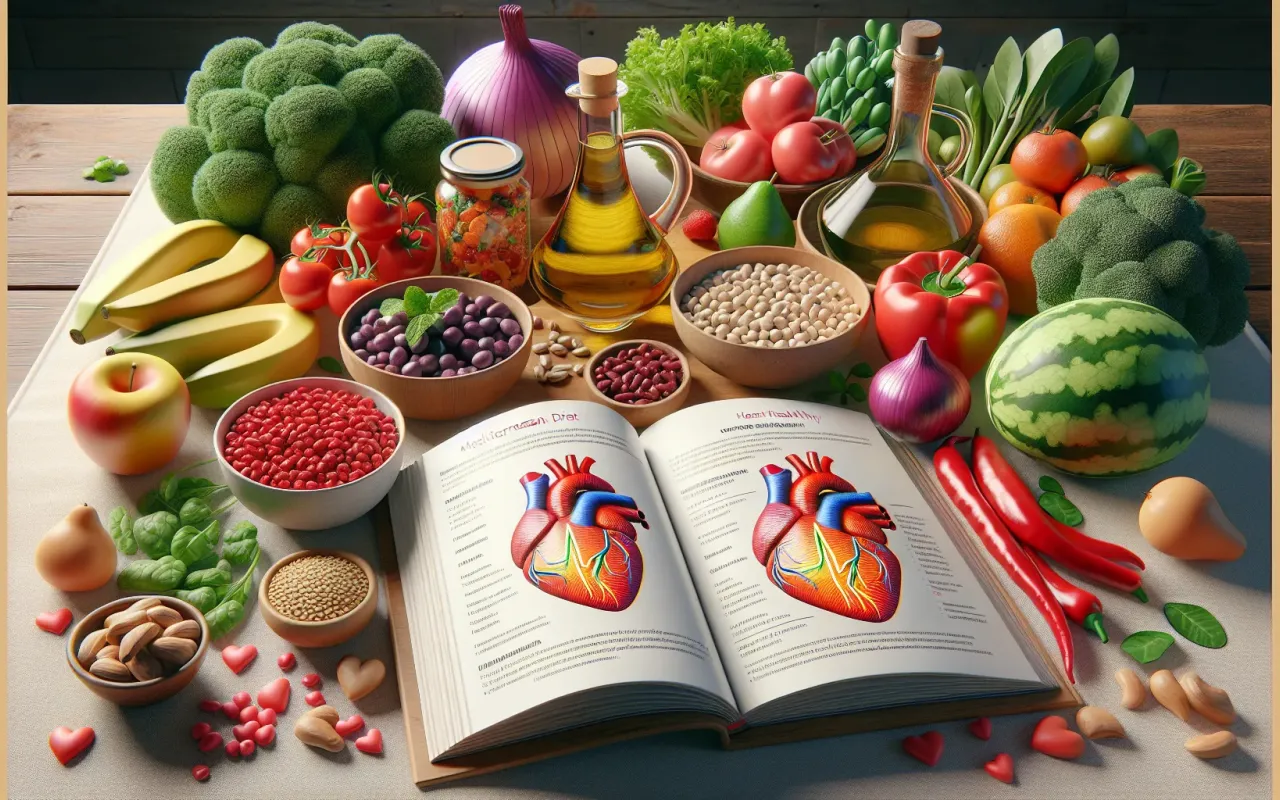
Discover comprehensive Mediterranean diet guidelines for a healthy heart. Learn proven tips and find delicious recipes to improve your heart health.
- November 21, 2024
Introduction
The Mediterranean diet is renowned for its heart-healthy benefits. This eating plan, inspired by the traditional dietary patterns of countries bordering the Mediterranean Sea, emphasizes fresh produce, whole grains, healthy fats, and lean proteins. Adopting Mediterranean diet guidelines for a healthy heart can significantly reduce the risk of cardiovascular diseases and improve overall well-being. In this article, we'll provide an in-depth look at these guidelines, along with some proven tips and delectable recipes to get you started.
The Core Principles of the Mediterranean Diet
To fully understand the Mediterranean diet guidelines for a healthy heart, it’s essential to know its core principles. Here are the key components:
1. Emphasizing Whole Foods
At the heart of the Mediterranean diet is a focus on whole foods. This means prioritizing fruits, vegetables, legumes, nuts, seeds, and whole grains over processed and packaged foods.
2. Healthy Fats
Healthy fats, particularly olive oil, are a staple in the Mediterranean diet. These fats are unsaturated and help reduce inflammation and lower bad cholesterol levels.
3. Lean Proteins
Fish and seafood are the primary sources of protein in the Mediterranean diet, consumed at least twice a week. Other sources include poultry, eggs, and dairy products.
4. Limited Red Meat and Sweets
Red meat is consumed in moderation, and sweets are enjoyed occasionally. Instead, the diet includes moderate portions of dairy products and encourages fruits for dessert.
5. Herbs and Spices
Herbs and spices are used generously to add flavor without adding excess fat, salt, or sugar.
6. Social and Active Lifestyle
Lastly, the Mediterranean diet emphasizes an active lifestyle and enjoying meals with family and friends, promoting overall well-being.
Proven Tips for Following the Mediterranean Diet
Implementing Mediterranean diet guidelines for a healthy heart doesn't have to be complicated. Here are some proven tips to help you incorporate this heart-healthy diet into your life:
1. Make Olive Oil Your Go-To Fat
Replace butter and other fats with olive oil for cooking, baking, and dressings. Olive oil is rich in monounsaturated fats, which are beneficial for heart health.
2. Eat Fish Regularly
Include fish in your meals at least twice a week. Fatty fish like salmon, mackerel, and sardines are excellent sources of omega-3 fatty acids, which are known for their heart-protective properties.
3. Load Up on Vegetables
Fill half of your plate with vegetables at every meal. Aim to eat a variety of colors to ensure you're getting a broad spectrum of nutrients.
4. Choose Whole Grains
Opt for whole grains such as brown rice, quinoa, barley, and whole wheat over refined grains. Whole grains are high in fiber, which is essential for heart health.
5. Snack on Nuts and Fruits
Swap out unhealthy snacks like chips and cookies with nuts, seeds, and fresh fruits. These snacks are nutrient-dense and heart-healthy.
6. Limit Your Intake of Processed Foods
Avoid processed foods that are high in sugar, salt, and unhealthy fats. Instead, prepare meals from scratch using fresh, whole ingredients.
7. Enjoy Your Meals
The Mediterranean diet isn't just about what you eat but also how you eat. Take time to savor your meals and enjoy the social aspects of eating with others.
Delicious Mediterranean Diet Recipes
To help you get started, here are some delicious and easy-to-make recipes that follow Mediterranean diet guidelines for a healthy heart:
1. Mediterranean Quinoa Salad
Ingredients:
- 1 cup quinoa
- 2 cups water
- 1 cucumber, diced
- 1 cup cherry tomatoes, halved
- 1/4 cup red onion, finely chopped
- 1/4 cup Kalamata olives, pitted and sliced
- 1/4 cup feta cheese, crumbled
- 1/4 cup fresh parsley, chopped
- 2 tbsp olive oil
- Juice of 1 lemon
- Salt and pepper to taste
Instructions:
- Rinse quinoa under cold water. In a pot, combine quinoa and water. Bring to a boil, then reduce heat, cover, and simmer for about 15 minutes until water is absorbed. Fluff with a fork.
- In a large bowl, combine cooked quinoa, cucumber, tomatoes, red onion, olives, feta cheese, and parsley.
- In a small bowl, whisk together olive oil, lemon juice, salt, and pepper. Pour over the salad and toss to combine. Serve chilled or at room temperature.
2. Baked Salmon with Herbs
Ingredients:
- 4 salmon fillets
- 2 tbsp olive oil
- 2 cloves garlic, minced
- 1 tbsp fresh dill, chopped
- 1 tbsp fresh parsley, chopped
- 1 tbsp fresh lemon juice
- Salt and pepper to taste
- Lemon wedges for serving
Instructions:
- Preheat oven to 375°F (190°C).
- Place salmon fillets on a baking sheet lined with parchment paper.
- In a small bowl, mix together olive oil, garlic, dill, parsley, lemon juice, salt, and pepper. Brush the mixture over the salmon fillets.
- Bake for 15-20 minutes, or until the salmon is cooked through and flakes easily with a fork.
- Serve with lemon wedges and a side of steamed vegetables or a fresh salad.
3. Greek Yogurt with Honey and Nuts
Ingredients:
- 1 cup plain Greek yogurt
- 2 tbsp honey
- 1/4 cup mixed nuts (such as almonds, walnuts, and pistachios), chopped
- Fresh berries for garnish (optional)
Instructions:
- Spoon Greek yogurt into a serving bowl.
- Drizzle honey over the yogurt.
- Sprinkle chopped nuts on top.
- Garnish with fresh berries if desired. Serve immediately.
Conclusion
Following Mediterranean diet guidelines for a healthy heart can lead to significant health improvements and lower the risk of cardiovascular diseases. By focusing on whole foods, healthy fats, and lean proteins while maintaining an active and socially engaged lifestyle, you can enjoy the benefits of this heart-healthy eating plan. Try incorporating some of the tips and recipes provided above to get started on your journey toward better heart health.